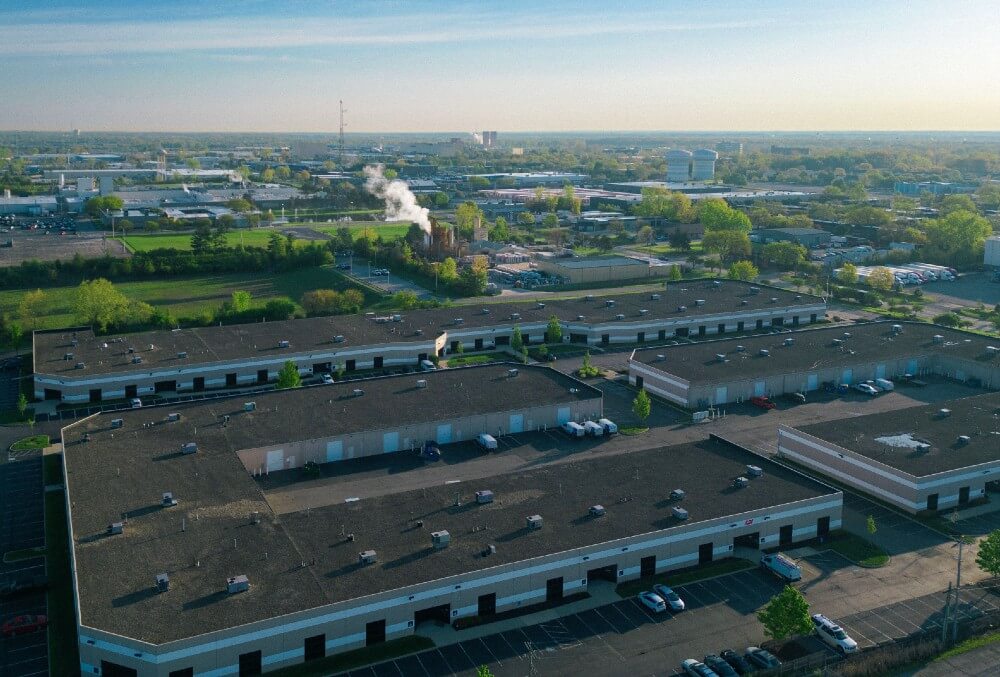

What drives renewal decisions in class A multifamily properties

Renewals used to be formalities. Hybrid work and softer pricing power changed that. Asset managers now walk into renewal conversations where leverage has shifted, and instinct or concessions alone no longer hold up.
Retention remains the quiet engine of NOI. Every renewal protects cash flow and avoids the cost of a turn. This article breaks down the real drivers of multifamily resident retention, split into what operators can control and what they cannot.
What a renewal decision really costs you
Turnover is expensive, and the cost is rising. Per Zego survey data, all-in apartment turnover runs roughly $3,872 per unit, covering advertising, repairs, concessions, and lost rent. An NAA survey of property management firms shows a similar range: 53.8% of respondents report turn costs between $1,500 and $3,500 per unit, with nearly one in five exceeding $3,500.
These figures are climbing. NAA data from 2024 show turnover costs rose 17.5% year over year.
Meanwhile, market-rate retention sits between 54% and 60%. RealPage data from late 2024 pegged market-rate lease renewals at just over 54%. Zego's 2026 report shows average retention at 57%, down from a 60% peak in 2024. That means roughly 43% of units turn every year. For a Class A portfolio, small gains in renewal rates compound quickly across the asset base.
The drivers you cannot control (and should not over-index on)
Some of today's retention strength comes from forces outside your building. Homeownership remains out of reach for many renters. According to Redfin, a buyer needed an annual income of roughly $116,782 to afford the median home in 2024, about $33,000 above the median household income. The median monthly ownership payment hit a record $2,920, up 86% since 2019.
Affordability pressure is widespread on the renter side as well. Harvard JCHS reports that 49% of U.S. renters were cost-burdened in 2024, a record 22.7 million households spending more than 30% of their income on rent.
Economic uncertainty keeps residents in place, but that tailwind can reverse when conditions ease. Asset managers should not mistake macro-driven retention for a durable strategy. When the market softens, controllable drivers are what protect renewals.
The drivers you control, and what Class A residents actually renew for
The factors that property managers and asset managers can influence fall into four categories: community and connection, everyday satisfaction and service, reputation, and differentiated amenities.
Community and connection
Relationships may be the strongest controllable lever. According to RealPage, cited by Apartment Life, a resident who knows no neighbors is roughly 29% likely to renew. Residents who know seven or more people in their community are about 47% likely to renew.
The effect goes further. NAA data, also cited by Apartment Life, show that residents will pay up to $200 more per month to stay where their friends live. Community lowers price sensitivity at renewal. That matters most in Class A, where discounts erode positioning.
Recurring, hands-on programming gives residents repeated reasons to connect. Workshops, hive visits, and shared activities build those neighbor relationships over time.
Everyday satisfaction and service
Routine operations quietly shape renewal decisions. NMHC and Grace Hill found that the top drivers of a positive sense of community are neighbors respecting the rules, feeling welcomed by staff, and access to services that support wellbeing.
Friction in routine tasks erodes renewals. Responsive service and staff quality carry weight. UDR, for example, invested in measuring and orchestrating the resident experience across daily touchpoints and cut resident turnover by 300 basis points year over year, per Multifamily Dive.
Reputation and reviews
Online reputation affects occupancy and, indirectly, retention. Per NMHC and Grace Hill data reported by Rental Housing Journal, 71% of renters who checked ratings and reviews said negative content stopped them from visiting a property.
Happy residents become advocates. A memorable community gives them something worth posting about. Visible nature programming, for example, produces shareable, positive stories that attract like-minded prospects and reinforce current residents' decision to stay.
Differentiated amenities that residents remember
In Class A properties, gyms and pools are expected. They no longer differentiate. Memorable amenities do.
Nature-based amenities such as managed urban beekeeping create a distinctive, recurring reason to stay and connect. A branded honey jar at renewal is a tangible thank-you that reinforces community identity, unlike a generic concession.
A GRESB partner analysis notes that biophilic and nature-based design is associated with occupant wellbeing and satisfaction. An improved sense of wellbeing can contribute to higher satisfaction in residential developments. While direct causal studies on renewal rates remain limited, the link between wellbeing and satisfaction is well established.
Alvéole delivers this through managed rooftop beekeeping, recurring beekeeper visits, workshops such as honey extraction and hive visits, and the MyHive platform for tenant engagement. It is deployed across more than 2,200 buildings.
The reporting dividend: retention data that also serves disclosure
A visible resident program can strengthen renewals and generate biodiversity data for reporting, compliance, and disclosure at the same time.
GRESB tracks tenant satisfaction as a material topic and has introduced biodiversity and nature indicators into its assessments. A GRESB partner analysis, using data from AktivBo, found a clear link between strong tenant satisfaction, lower vacancy rates, and higher NOI.
WELL applies to multifamily residential, including luxury, and addresses occupant health across seven concepts: air, water, nourishment, light, fitness, comfort, and mind.
Alvéole ties biodiversity data to GRESB, WELL, LEED, BOMA, BREEAM, and Fitwel reporting. For asset managers under dual pressure on renewals and disclosure, one program can address both.
Addressing the practical concerns
Cost: Nature programs run as operational programs, comparable to standard resident events, not capital projects. They do not require heavy upfront investment.
Safety: Professional management and placement mean most residents never handle bees directly. Hives go on rooftops or in screened areas, with clear signage and communication.
Scale: Start with a pilot on one or two Class A assets. Use a portfolio dashboard to measure participation and results, then expand based on evidence. Alvéole's MyHive platform supports portfolio-level planning and promotion from day one.
Bottom line
Macro forces are propping up multifamily resident retention today. Controllable drivers are what protect it when the market turns.
The strongest levers for Class A properties are community, service, reputation, and amenities residents cannot find elsewhere. Differentiated, story-driven amenities strengthen renewals and produce reporting value at once.
When you are ready to give your renewal conversations something more than concessions, book a demo.
Frequently asked questions
What is a good retention rate for multifamily apartments?
Market-rate retention sits between roughly 54% and 60%, according to RealPage and Zego data. Class A properties with strong controllable drivers can aim for the higher end of that range or above.
How do you calculate resident retention?
Divide the number of lease renewals by the number of expiring leases, then multiply by 100. The result is your retention rate as a percentage.
How much does resident turnover cost?
Industry surveys put all-in turnover cost at roughly $1,500 to $3,872 per unit, per NAA and Zego survey data. NAA data show turnover costs rose 17.5% year over year in 2024, so the cost is climbing.
What drives renewal decisions in Class A multifamily properties?
The controllable factors are community and connection, everyday satisfaction and service, online reputation, and differentiated amenities. Macro conditions such as homeownership affordability also play a role, but operators should focus on the levers they can influence.