
How industrial owner-operators can compete beyond price
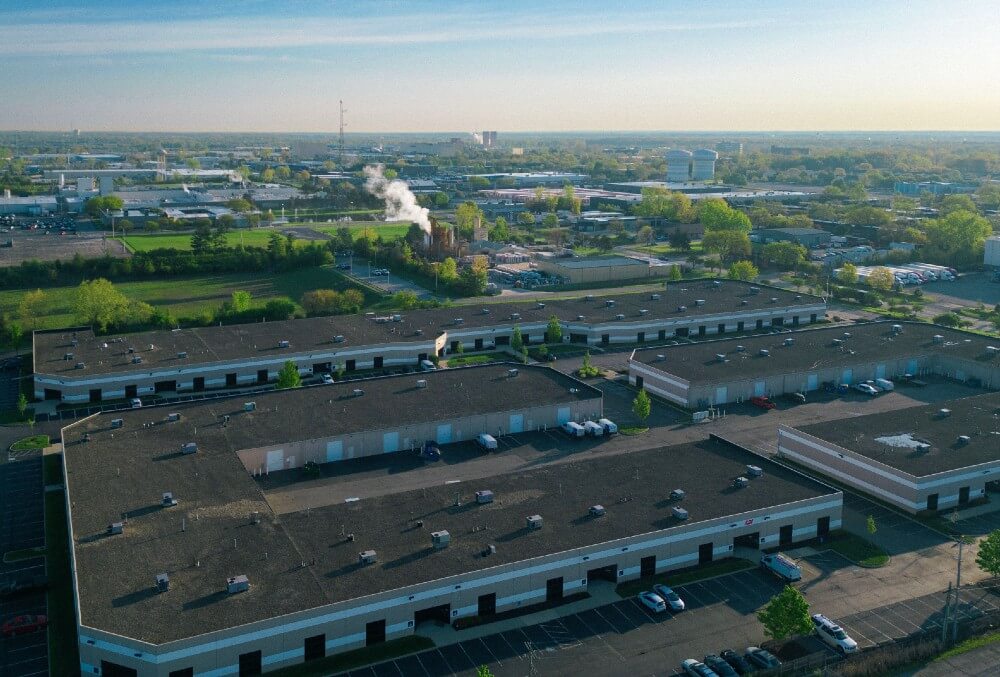
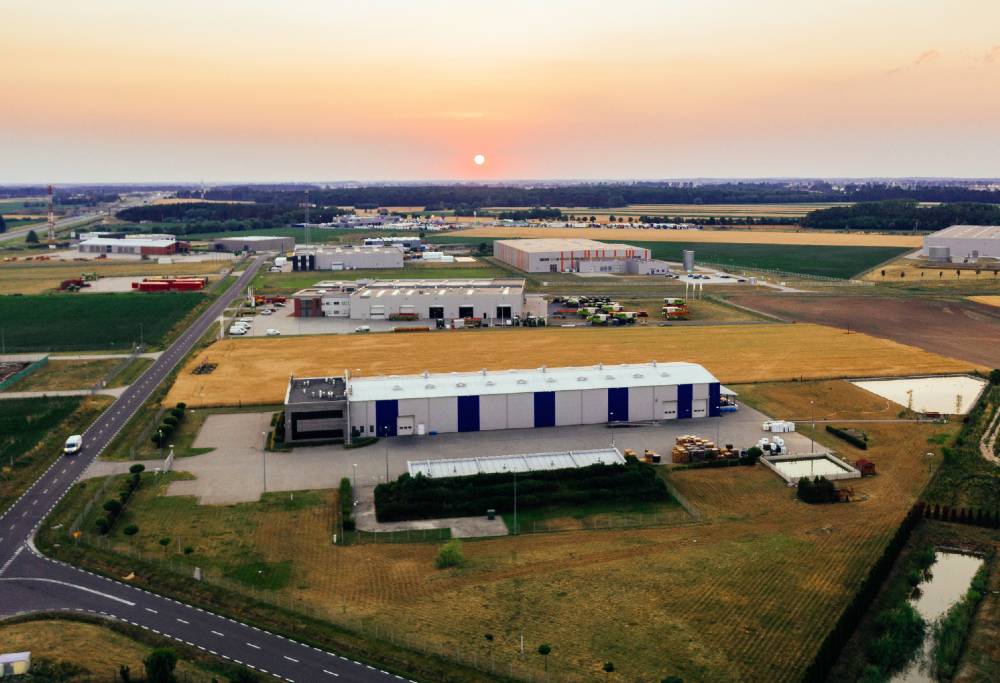
Two industrial buildings sit across the street. Same clear heights, dock counts, and column spacing. When the spec matches, the tenant asks one question: which one is cheaper? For an asset manager or leasing team, that question is a trap. Here is how to compete on more than price.
Key takeaways
- Cutting rent resets your renewal baseline and gets matched by the identical building next door within days.
- Tenants now decide on total cost of occupancy and building quality, not headline rent.
- The durable differentiators are the ones a competing spec box cannot copy quickly or cheaply.
- A managed nature program is one low-capex differentiator that supports leasing and produces investor-ready biodiversity reporting data.
Why competing on price alone is a losing game
When clear heights, dock counts, and column spacing match, tenants treat the buildings as interchangeable and default to price. That is the commodity trap. A rent cut feels like a fast win, but it is permanent. It resets your renewal baseline, and the spec product next door matches it within days.
The stakes are large now. CBRE's 2026 occupier survey found that 67% of industrial occupiers have more than 25% of their leases expiring within 36 months, totaling more than 1.7 billion square feet. A large share of renewals is in play at once.
The market has cooled, but it has not collapsed. Cushman & Wakefield put industrial vacancy at about 6.9% in Q2 2026, down 10 basis points and likely past its cyclical peak as demand starts to outpace new supply. Oversupply pressure is real but easing. Discounting into a market that is already turning gives away margin you will not get back.
Sell total cost of occupancy, not square feet
Base rent is one line in a longer bill. Tenants increasingly evaluate options on total cost of occupancy across the full term, not the asking rent alone. That reframe is where an asset manager wins, moving the conversation from one number to the full value of staying.
Several levers lower a tenant's total cost without a permanent rent cut. Tenant improvement allowances, free-rent periods, operating-expense caps, and renewal options all reduce what the tenant pays over the term while protecting your rate. CBRE's 2026 survey supports the reframe. Occupancy costs and flexible lease terms were the two most-cited industrial building-selection factors at 18% each, ahead of clear heights at 14% and transportation access at 10%.
Timing matters too. Occupiers signed renewals about 219 days before expiry in 2025, about 30 days sooner than the year before. Start the value conversation early.
Compete on what the building next door cannot copy
Here is a simple test for any differentiator. Can the identical building across the street replicate it within a week at low cost? If yes, it is not a real edge.
Most obvious moves fail that test. Power upgrades, EV charging, and dock and yard improvements matter operationally, but they are expensive and available to any well-funded owner. Amazon installed more than 17,000 chargers across about 120 warehouses. BLT Enterprises modernizes break rooms and kitchens with renovations that run $200,000 to $1 million. These help, but a competing owners with capital can copy them.
Service and responsiveness are harder to copy, yet also hard for a prospect to verify on a tour. The strongest edge is a visible, ongoing program tied to the building's identity that a competitor cannot stand up overnight.
A nature program as a low-capex, hard-to-copy differentiator
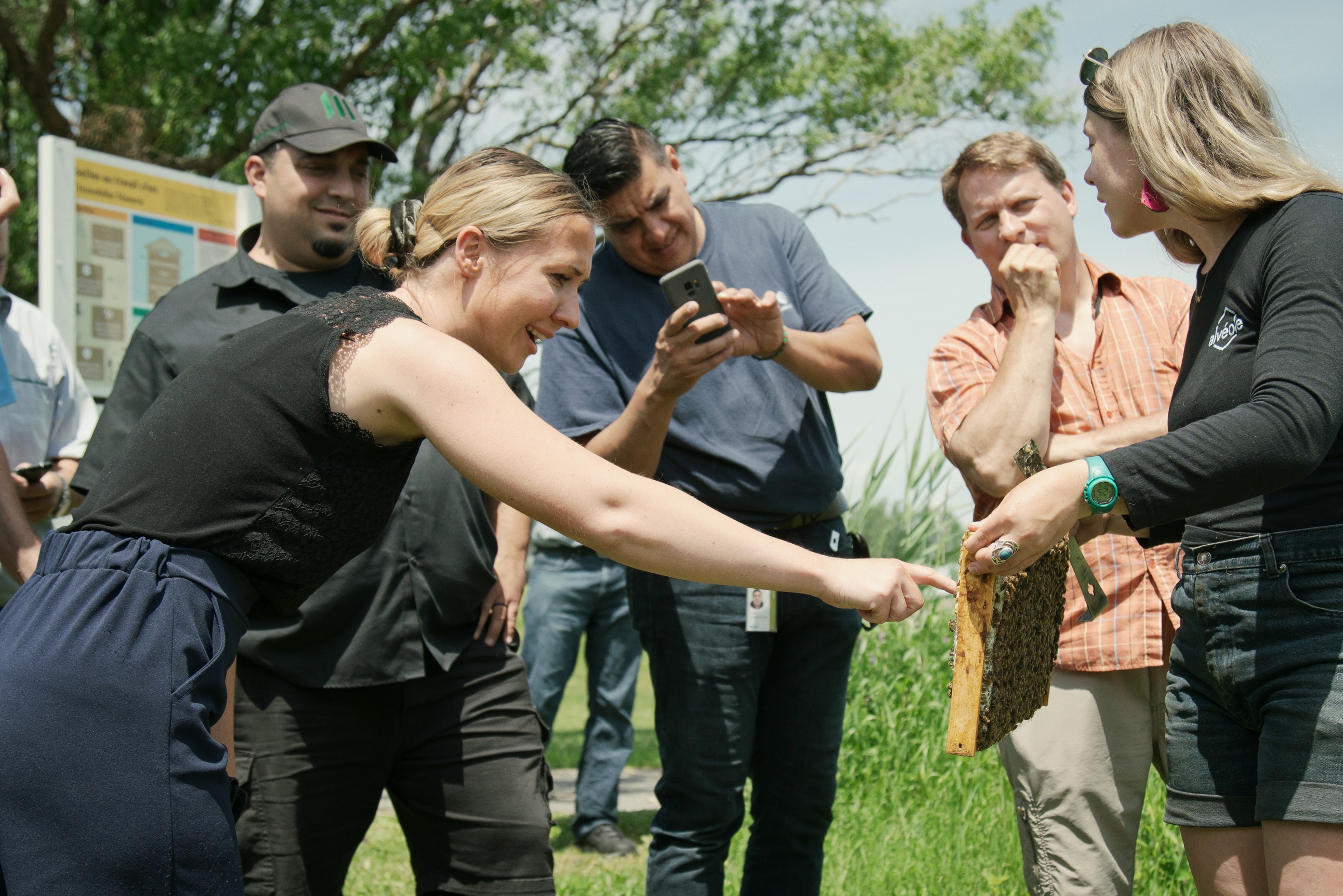
A managed on-site nature program clears that bar. Rooftop or perimeter beehives, wild-pollinator habitats, and workforce events run as an operating program, not a capital retrofit. Alvéole runs this kind of program across 2,200-plus buildings, including industrial assets.
It is operations-safe. It does not interrupt loading, truck movement, or warehouse throughput. It gives leasing teams a concrete, memorable story on tours and a reason for tenants to stay engaged year-round through workshops, hive visits, and branded honey.
Scope this honestly. Nature amenities are not yet a top-ranked industrial building-selection factor. Treat a nature program as a tie-breaker that compounds with the cost and flexibility levers above, not a replacement for them. When two spec boxes are otherwise even, the one with a visible, ownable program is what a tenant remembers.
Why the workforce responds to on-site nature
Industrial parks compete for scarce labor, so on-site conditions for workers are part of a tenant's decision. A building that is easier to staff is easier to justify renewing.
The wellbeing evidence is strongest in office settings, so scope it that way. Research on office workers published in Scientific Reports in 2024 found that nature exposure correlates with higher vigor, job satisfaction, and engagement. A 2023 systematic review in Healthcare found that access to outdoor areas reduces workplace stress. The mechanism is not specific to desks, which is why on-site nature can matter to a warehouse workforce.
There is a physical benefit too. The US EPA notes that even small vegetated patches, such as green roofs, provide habitat for pollinators, and that shaded surfaces can be 20 to 45°F cooler than unshaded materials. On a large site, that is real relief in summer.
Turn a tenant amenity into investor-ready reporting
A nature program does something a break room cannot. It generates on-site biodiversity data that supports investor reporting and green building frameworks, so one program serves both leasing and disclosure.
The reporting side is moving. GRESB added a biodiversity and nature indicator, RM7, to its 2025 Real Estate Assessment as an exploratory, unscored disclosure prompt, and it remained unscored in 2026. It does not affect your score today, so early movers can show a strategy before it counts. TNFD is a voluntary nature-related disclosure framework with dedicated real estate guidance, not a US mandate. Large EU companies must report biodiversity under the CSRD, and that requirement can reach US assets held by EU-linked capital, so the data demand may arrive through your investors, not a domestic rule.
Alvéole's monitoring tools close the gap between what you have committed to and what you can prove. The Nature Sensor captures on-site biodiversity activity, eDNA analysis identifies what is present, and the Aura platform turns that activity into GRESB, TNFD, and CSRD-aligned reports. The program also supports WELL, LEED, BOMA, and BREEAM reporting.
How to start without overcommitting
A nature program is an operating expense, not a capital project. It avoids the $200,000-plus renovations described earlier and needs no capital budget to compete.
Safety and operations are handled by design. Professional beekeepers manage the hives, and placement keeps the program clear of loading, truck movement, and throughput. Most tenants and workers never handle the bees directly.
Start small. Run a pilot at one or two assets, measure participation and tenant response, then expand across the portfolio using the MyHive dashboard. Give leasing teams simple talking points and the reporting data so the program earns its place in tours and renewals, not just a brochure.
The bottom line
Matching the identical building on price protects nothing and shrinks the value of your asset. Winning means two moves at once. Lower the tenant's total cost of occupancy with flexible terms, and add a visible, hard-to-copy program a competitor cannot stand up quickly.
A managed nature program does that in one step. It differentiates the asset, supports the workforce, and produces reporting data investors are starting to ask for. For an asset manager or leasing team facing identical spec product, that is how you win beyond price.
To learn more, Book a demo and see how a nature program fits your industrial portfolio.
Frequently asked questions
How can industrial owner-operators compete without cutting rent?
Focus on total cost of occupancy and durable differentiators instead of the headline rate. Flexible terms, renewal options, and a visible on-site program give a tenant reasons to stay that a rent cut cannot. A cut only resets your baseline and gets matched next door.
What is total cost of occupancy in an industrial lease?
It is the full amount a tenant pays over the lease term, not just base rent. It includes operating expenses, tenant improvement contributions, free-rent periods, escalations, and fit-out costs. Tenants increasingly compare buildings on this total, which is where an owner can win on value.
What amenities do industrial tenants actually want?
CBRE's 2026 survey shows tenants prioritize occupancy costs, flexible lease terms, clear heights, and transportation access. Nature and lifestyle amenities do not yet rank among those top factors. Treat a managed nature program as a tie-breaker that compounds with cost and flexibility, not as a standalone draw.
Does sustainability or biodiversity reporting influence industrial leasing?
Reporting and disclosure are moving from policy documents to on-the-ground proof. GRESB's RM7 biodiversity indicator is still unscored and TNFD is voluntary, but large EU companies must report biodiversity under the CSRD, and that requirement can reach US assets through EU-linked capital. Program-generated data lets you answer with evidence rather than a promise.
How do lease flexibility and renewal terms differentiate a building?
Flexible terms lower a tenant's risk and total cost without a permanent rent cut. Expansion rights, renewal options, and operating-expense caps make it easier to commit and to stay. Because occupiers now sign renewals months before expiry, offering flexibility early keeps you ahead of the building next door.
How do I measure whether differentiation is working?
Track renewal rate, retention, and downtime alongside program participation and event attendance. A portfolio dashboard like MyHive shows tenant engagement across assets, and biodiversity data gives you a reporting output for investors. Pilot at one or two buildings, then compare against similar assets.