
What makes rooftop beehive services effective for tenant engagement
Key takeaways
- Rooftop beehive programs deliver year-round engagement touchpoints that traditional amenities cannot replicate.
- Managed beehive services remove operational burden while providing participation data that property teams can tie to retention and leasing outcomes.
- Beehive programs support green building certifications and reporting requirements, adding compliance value alongside engagement value.
- The combination of live nature, hands-on events, and branded honey creates emotional connection between tenants and their building.
The tenant engagement problem most amenities fail to solve
Commercial tenant turnover costs property owners an average of $31,927 per departing tenant. And 63% of occupiers plan to reduce their real estate footprint in the coming years. For property managers, the math is clear: retention is cheaper than replacement.
Yet the amenities designed to keep tenants engaged are failing to do the job.
Gyms, lounges, coffee bars, and rooftop grills have become table stakes. Every Class A office building has some version of the same lineup. These features attract tenants during a tour, but they rarely drive ongoing engagement. A fitness center does not give a tenant a reason to renew a lease.
The real challenge is sustained participation, not one-time impressions. Most amenities offer no recurring reason for tenants to show up, interact with neighbors, or feel connected to their building. They generate foot traffic, not engagement data.
Property managers and asset managers need amenities that produce measurable participation, not just square footage on a floor plan. Amenities that generate foot traffic do not generate the participation data that predicts renewal.
Why rooftop beehives create engagement that lasts
A beehive is not a piece of furniture. It is living infrastructure that changes with the seasons and gives tenants a reason to come back.
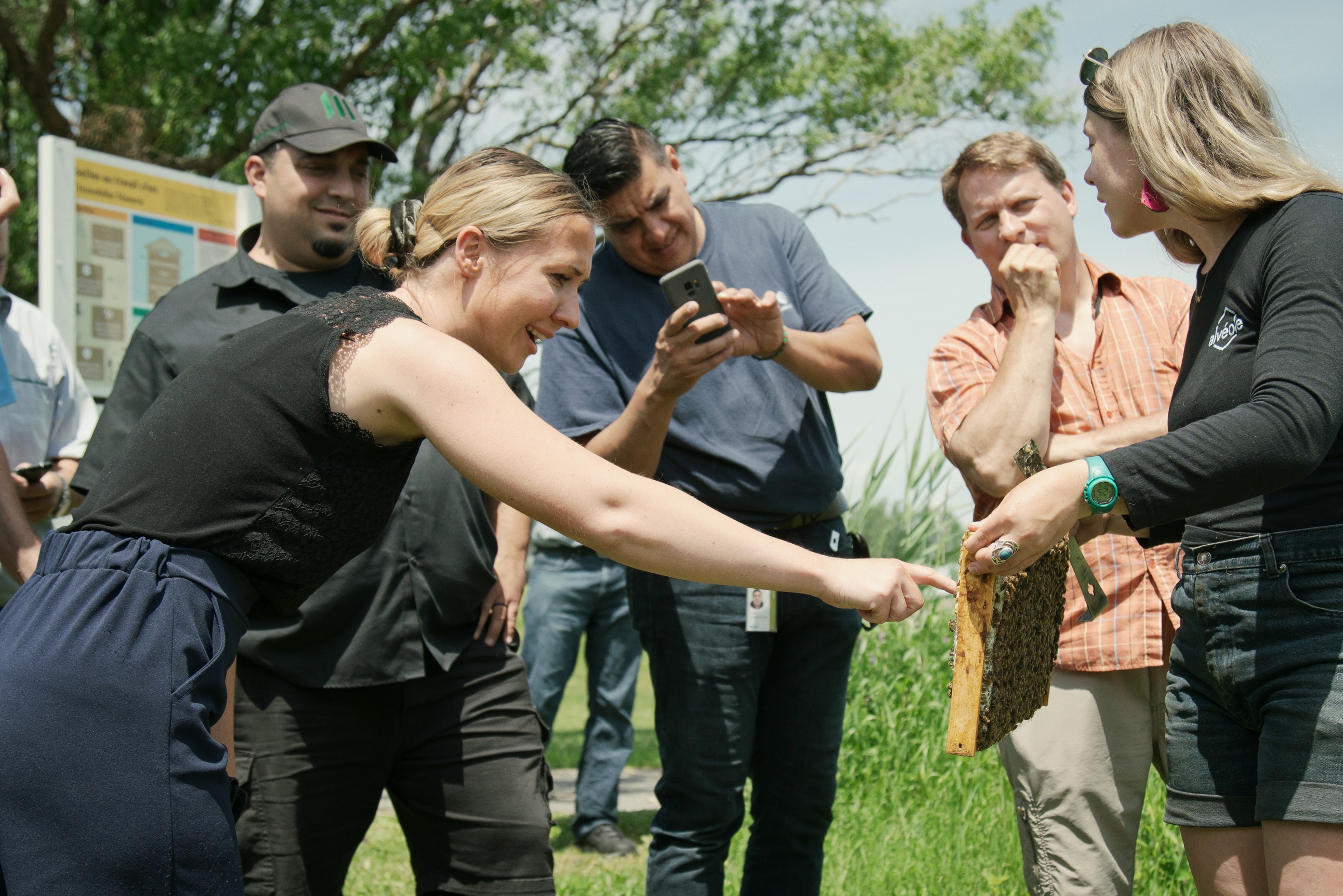
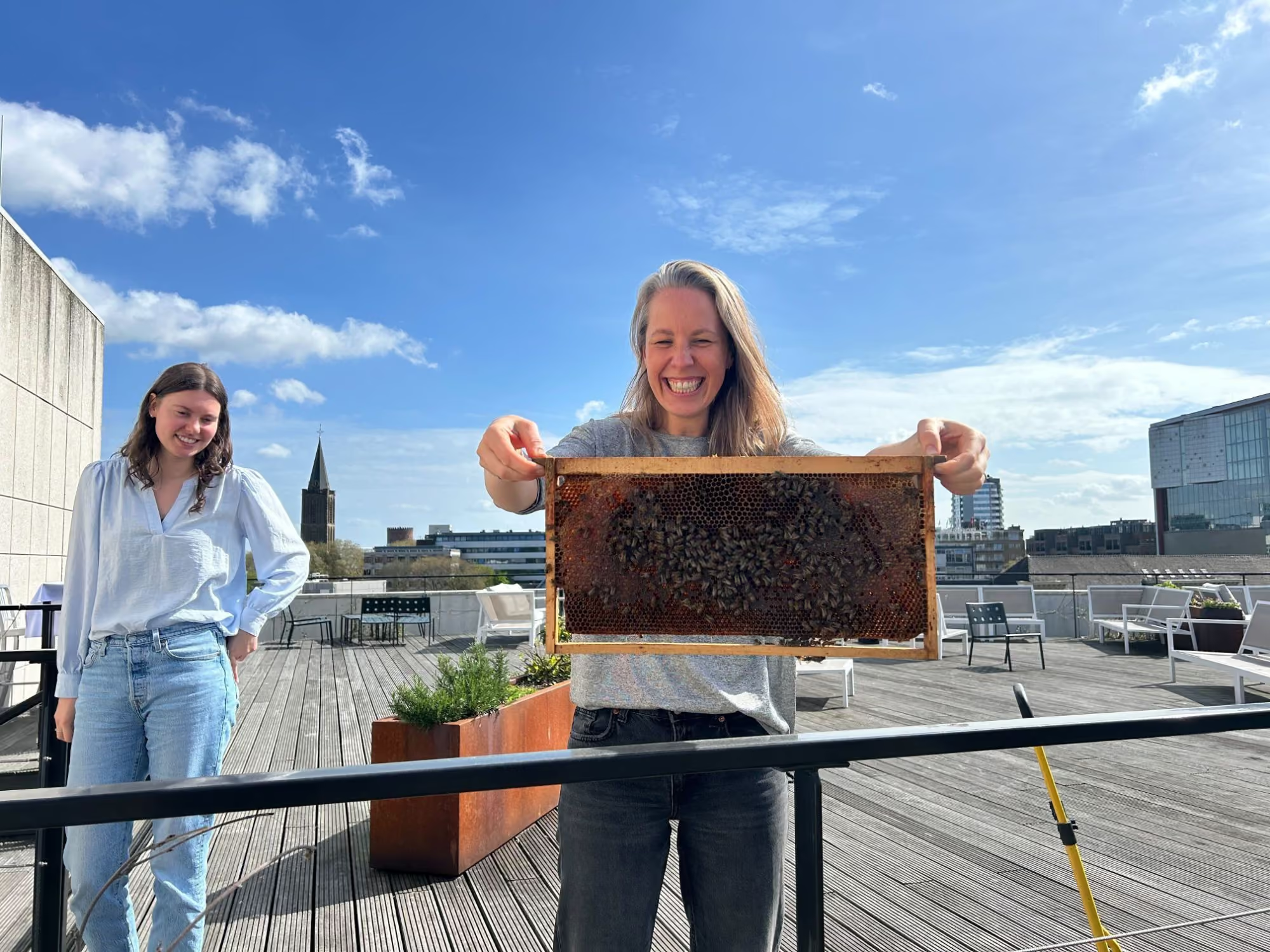
Managed rooftop beekeeping programs wrap a single installation in a full calendar of touchpoints: spring hive openings, summer rooftop tours, fall honey harvests, and winter educational workshops. Each event is a scheduled interaction between tenants and their building, creating year-round tenant engagement that compounds over time.
This is structurally different from a gym or a lounge. A fitness center is used individually. A beehive program is communal. It creates shared moments that build social ties between tenants, between floors, and between people and the property itself.
The science supports the model. Workers in environments with natural features report 15% higher well-being scores than those in environments without natural elements. Biophilic design is not a trend. It is a documented driver of satisfaction and productivity.
A rooftop hive also gives the building a narrative. Tenants follow the bees' progress through the season. They receive updates on honey production. They attend hive inspections where a professional beekeeper explains what is happening inside the colony. And at harvest, they take home jars of honey branded with their building's name.
Nature-based amenities tap into something that polished lobbies and craft coffee cannot: a sense of participation in something alive. That emotional connection drives renewals. Tenants who participate in building programs stay longer.
What a managed rooftop beehive service includes
Property managers evaluating rooftop beekeeping programs often ask the same question: what does my team actually have to do?
With a managed service, the property team is responsible for none of it.
A full-service beehive provider handles every operational detail:
- Professional installation and hive management. Seasonal inspections, winter preparation, colony health monitoring, and all hands-on beekeeping are handled by trained professionals.
- Year-round event programming. Spring hive openings, summer rooftop tours, fall honey harvests, and winter workshops (candle-making, honey tasting, educational sessions) keep engagement consistent across all four seasons. See how hands-on tenant events are structured in practice.
- Branded honey production. Jars carry the building's name and are used for tenant gifts, leasing events, and corporate gifting. One hive produces roughly 100 pounds of honey per year.
- Participation and satisfaction data. Attendance rates, satisfaction scores, and engagement metrics are tracked at the building level and delivered to property teams in formats that feed into asset reports.
- Turnkey operations. The provider handles scheduling, tenant communications, event materials, and marketing content. The property team receives data and deliverables, not tasks.

Alvéole manages programs across 2,200+ commercial buildings in the USA, Canada, and Europe, including properties like Nuveen's portfolio where year-round workshops across seasons keep tenants engaged from spring through winter. The model is designed so that a property manager's involvement begins and ends with reviewing results.
How beehive programs support green certifications and reporting
For sustainability directors and asset managers, a beehive program is not just an engagement play. It is a compliance tool.
LEED's Protect or Restore Habitat credit (SS Credit) rewards on-site pollinator habitats. A managed rooftop hive qualifies. The WELL Building Standard awards WELL certification points under the Mind concept for biophilia and nature access. BOMA BEST includes categories for biodiversity and stakeholder engagement that beehive programs directly address.
A single installation can earn credits across multiple certification programs simultaneously.
Beyond certifications, beehive data feeds directly into sustainability reports. Honey production volumes, pollination activity, hive health metrics, and biodiversity observations provide the kind of quantifiable environmental data that institutional investors and lenders now expect.
Disclosure frameworks like TNFD, CSRD, and GRI increasingly require biodiversity data from commercial portfolios. Managed beehive programs that include remote-sensing biodiversity monitoring give property teams investor-ready data without additional staff effort.
Measuring what matters: engagement data from your hive
The most common objection from asset managers is not about bees. It is about proof. The answer is yes, and the data is specific.
Event participation rates for beehive programs run 20-30%. That is far above the single-digit averages for typical property events. Tenants consistently rate managed beehive programs among the highest-satisfaction amenities at their buildings.

But participation is only the first metric. The real value is in what participation predicts.
Properties can track renewal rates among tenants who attend beehive events versus those who do not. They can measure how often beehive content appears in social media posts and newsletter engagement. They can quantify how leasing teams use branded honey and hive tours during prospect visits.
For a mid-size commercial property, even a modest improvement in renewal rates from tenant engagement more than covers the cost of a managed beehive program. The program operates as an operational expense, not a capital expenditure, making ROI straightforward to calculate against retention savings.
Content value adds another layer. Beehive programs generate social media posts, newsletter material, leasing collateral, and sustainability report content from a single installation.
Addressing common concerns
Safety. Hives are placed on rooftops or in screened areas, away from high-traffic zones. Professional beekeepers manage all hive interactions. Most tenants never encounter bees directly. Signage, communication protocols, and emergency procedures are standard components of any managed program.
Allergies. Anaphylactic bee sting reactions affect approximately 3% of adults. Managed programs minimize direct contact between tenants and hives. Participation in close-proximity events is always voluntary.
Cost. A managed beehive program is an operational expense, not a capital expenditure. Annual costs are comparable to standard tenant event budgets. There are no structural modifications required. Hives fit on flat rooftops with minimal footprint, typically 4 square feet per hive plus a 6-to-10-foot buffer zone.
Logistics. Installation is handled entirely by the provider. The property team does not need to source equipment, train staff, or manage scheduling. Pilot programs can start with a single property and scale based on measured results.
Why the timing is right for rooftop beekeeping programs
Office vacancies remain elevated. Trophy buildings in major markets are capturing premium rents, and amenitization is a core reason why.
Biophilic design delivers measurable financial returns. Properties with integrated green features command 7-16% sale premiums and 8% higher retail sales. Nature is not decoration. It is a value driver.
Institutional investors and lenders expect biodiversity and sustainability commitments from their portfolio companies. Standard amenity arms races are expensive. Nature-based programs offer differentiation at operational cost, not capital cost.
And the environmental case is plain. U.S. bee populations have declined from 6 million hives in the 1940s to approximately 2.5 million today. Urban bees actually outperform their rural counterparts, with a 62.5% winter survival rate compared to 40% for rural colonies. Tenants and investors recognize pollinator conservation as meaningful action, not a marketing exercise.
Frequently asked questions
How much space is needed for a rooftop beehive?
A standard hive requires roughly 4 square feet of flat rooftop space, plus a buffer zone of 6 to 10 feet. Most commercial rooftops can accommodate one or more hives without competing with existing mechanical equipment.
Do beehive programs work year-round?
Yes. While bees are most active in warm months, managed programs include winter workshops (candle-making, honey tasting, educational sessions) that keep engagement consistent across all seasons.
Can beehive programs work on any building type?
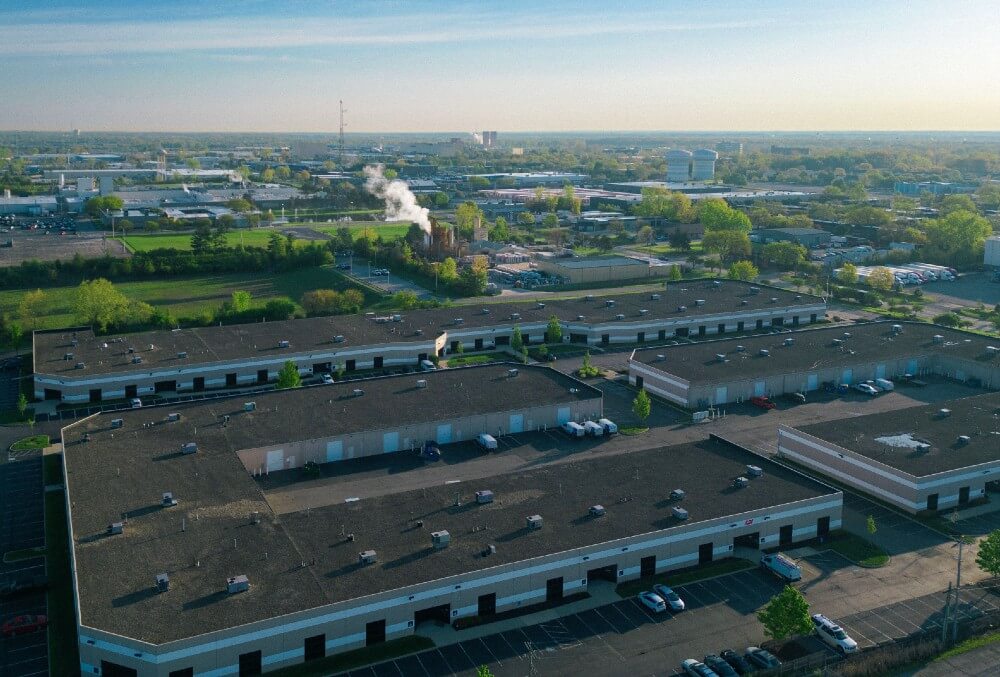
Managed beehive services operate across office towers, multifamily properties, mixed-use developments, industrial campuses, and senior housing communities. The key requirement is a safe, accessible rooftop or terrace area.
The bottom line
Rooftop beehive programs are effective because they solve the engagement gap that static amenities create. They deliver measurable participation, year-round programming, green building credits, and a story that tenants actually tell.
A bigger gym or another coffee bar will not win the next lease. A living, visible, data-generating program that connects tenants to nature and to each other will. See how tenant engagement that runs itself works in practice.
Book a demo to see how a managed beehive program fits your property.