
Residents don't leave over price. Here's what actually keeps them.
Turnover is the single largest controllable expense in a multifamily portfolio. National apartment turnover runs at roughly 40 to 50% of units a year, and the National Apartment Association puts the cost of a single turn at about $4,000 per unit once you count lost rent, concessions, and maintenance.
The reflex, with a historic supply wave still working through the market and concessions back on the table, is to discount. Hold occupancy, protect the rent roll, give a month free. But concessions are a bid against the wrong problem. It is a customer-attrition statistic, not a housing one, but it travels well: across industries, the large majority of customers who leave a business go over perceived indifference and poor service, not price. In the most-cited version, 68% leave because they feel a company doesn't care, and only 9% leave for a cheaper competitor.
Apartments are no exception. A resident who feels no connection to where they live is the one weighing a small rent gap down the street. A resident who feels connected mostly isn't. Every concession dollar is NOI spent fixing something price was never causing.
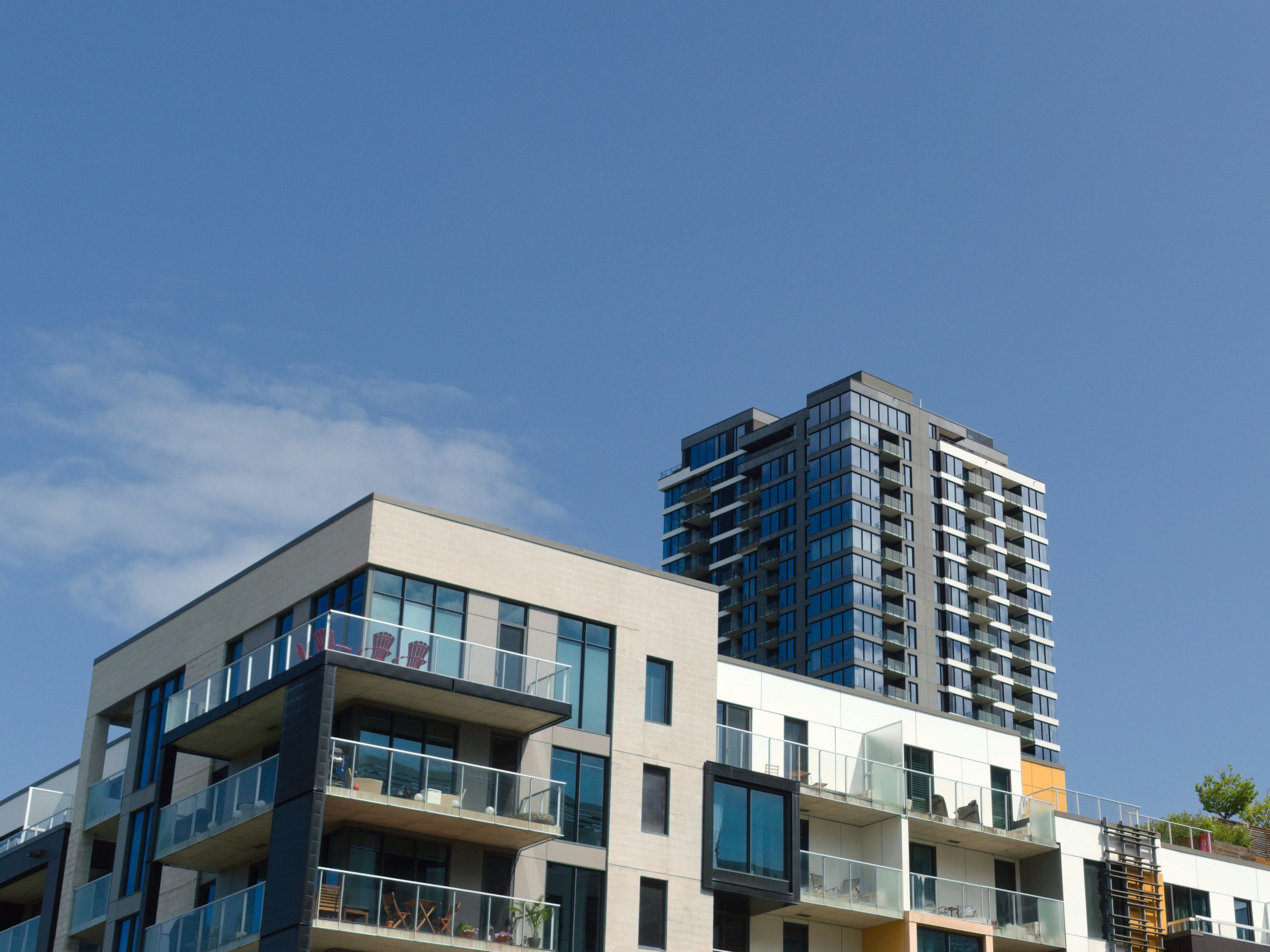
The lever that actually moves a renewal is connection. The hard part has always been finding something that builds it at portfolio scale, runs without pulling your on-site teams off higher-priority work, and produces a number you can defend in an asset review.
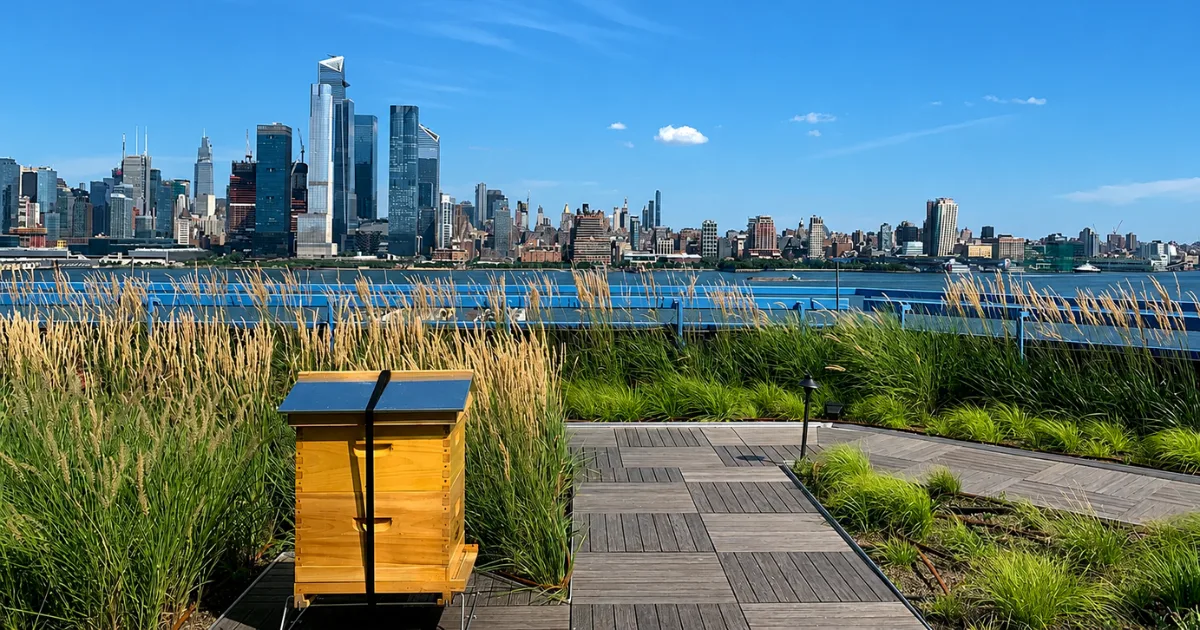
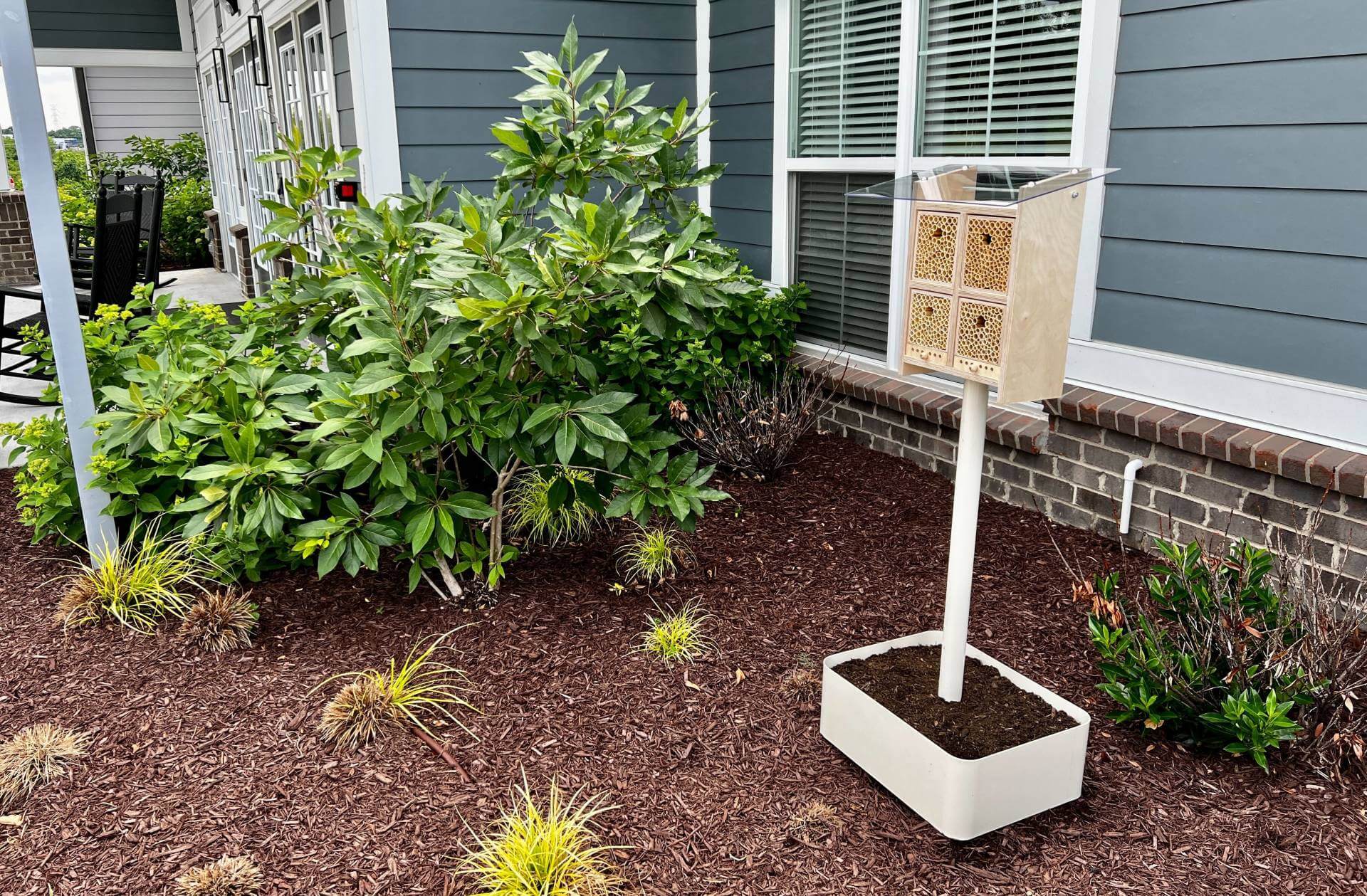
That is the job Alvéole was built for. It is a year-round, fully managed resident engagement program. The thing that makes it work is a living beehive on the roof, the rare amenity residents actually tend, learn from, and talk about. Here are the four arguments, in the order they matter to the person who owns NOI.
1. A reason to renew that no amenity or app can copy
A gym depreciates. A food truck is forgotten by Monday. A beehive is alive, and it is on their roof.
Beekeepers visit every three weeks and run hands-on workshops: honey extraction, candle making, guided hive visits. Residents who show up once tend to come back, because the hive changes with the seasons and there is always something new happening. It compounds. The hive becomes their hive, the building becomes their building, and the renewal conversation stops being a negotiation over price.
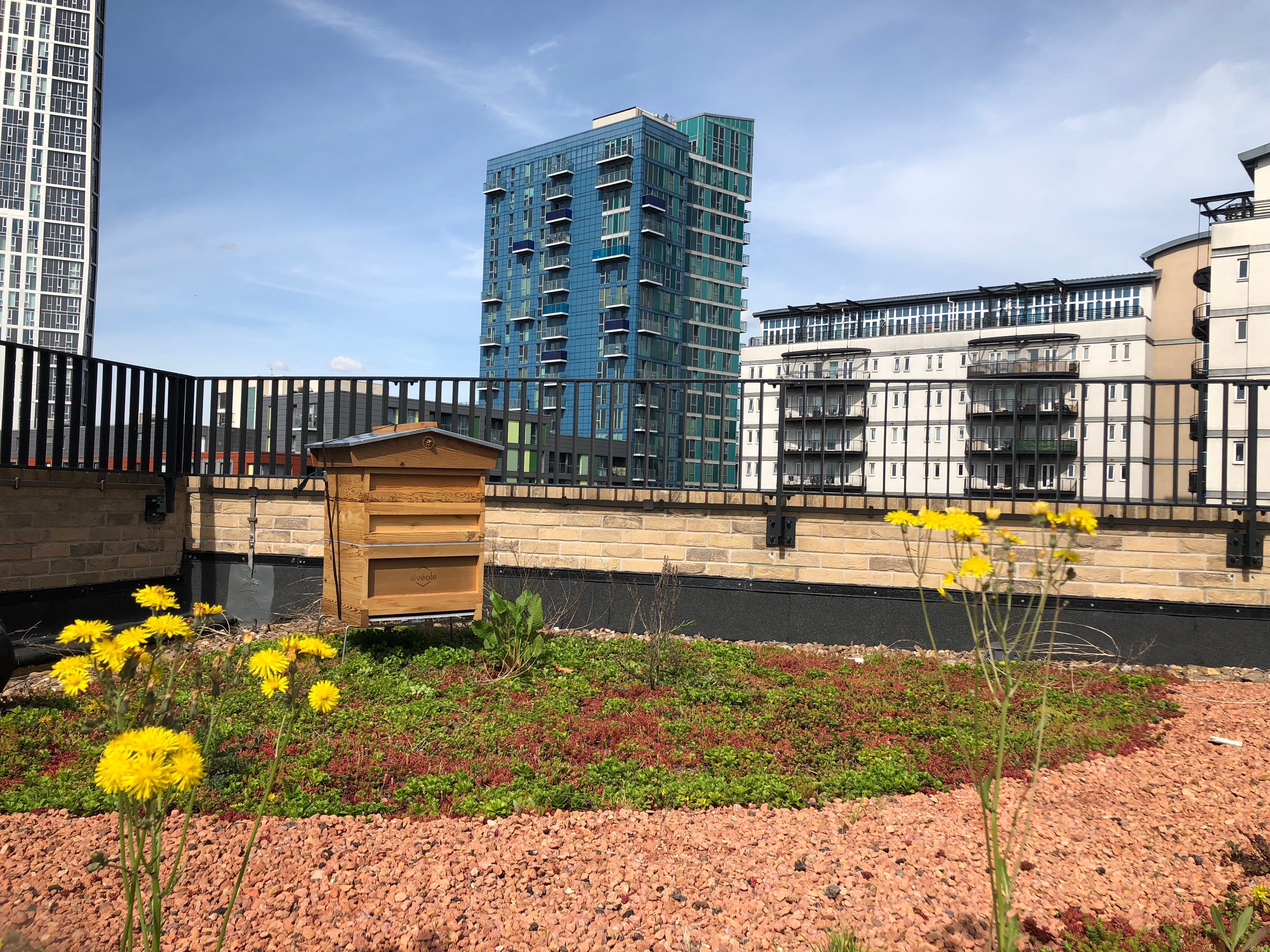
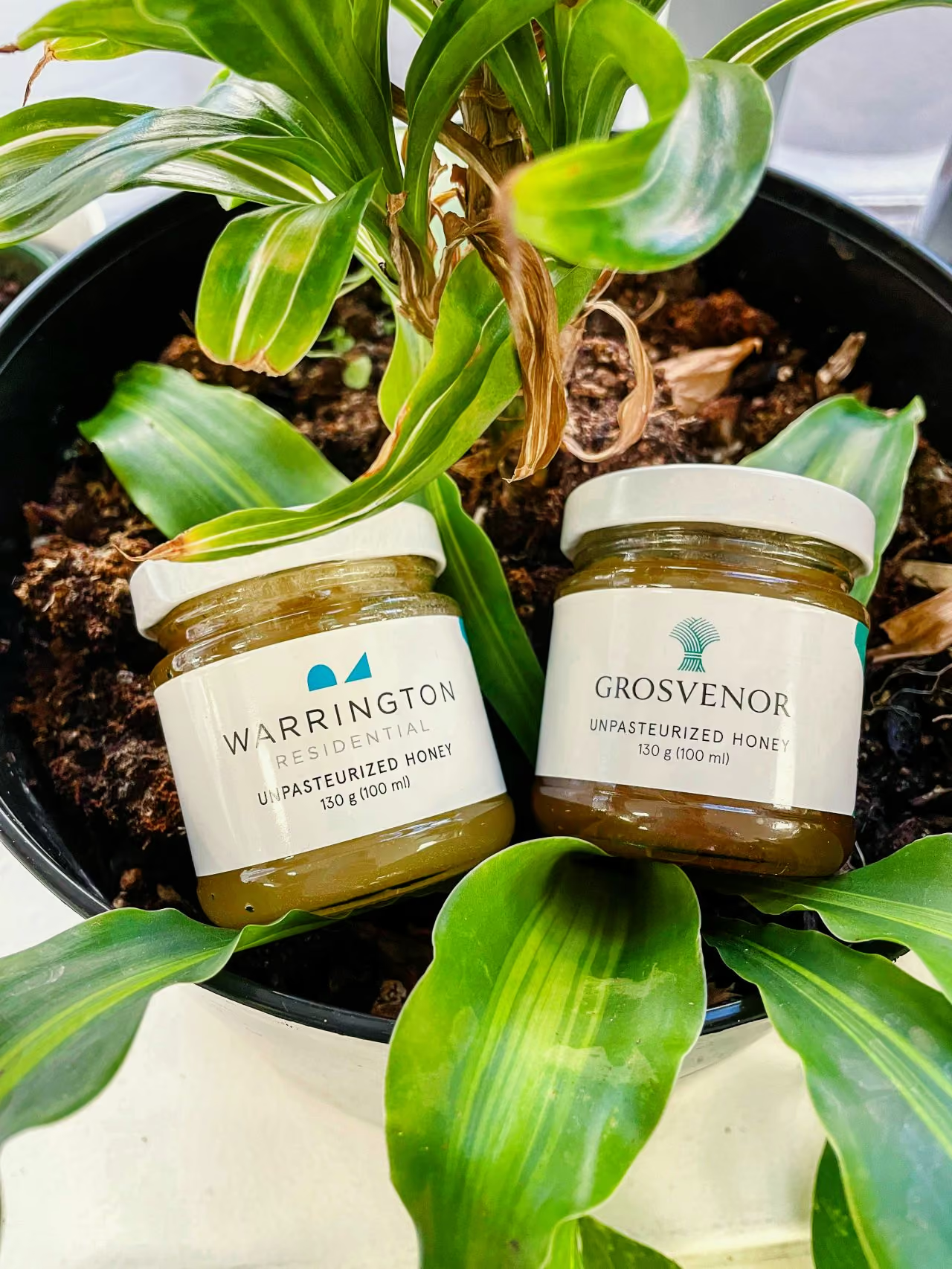
The program also leaves something behind. Up to 100 jars of branded honey a year, harvested from the building's own hive, end up in residents' kitchens long after any single event. That recall is the opposite of a one-off activation.
This runs on a recurring three-week cadence your team never has to staff, and the program is already live across institutional office, retail, and multifamily portfolios in cities across North America and Europe. Set against generic amenities and seasonal activations, the difference is simple: those are the same in every Class A and B building on the block, and they get less interesting over time. A living program gets more valuable every season it runs.
2. It runs itself, across every building, with zero lift from on-site teams
Retention programs rarely fail on the idea. They fail because the regional team gets pulled onto a flood, a turnover surge, or a staffing gap, and the effort quietly fades.
Alvéole is run end to end by us. Installation, hive maintenance, event facilitation, resident communications, reporting, liability, and compliance are all handled. The property team spends two to three hours a month forwarding communication templates. Everything else is ours.

That delivery model is what lets it scale. One program, repeated across the whole portfolio, with one dashboard, MyHive, that shows the asset manager participation building by building. The work that fades on the DIY path is exactly the work Alvéole absorbs. The status quo this beats is a property manager improvising an event between higher-priority fires. The program you can count on is the one you are not running.
3. Turn "residents seem happy" into a number you can defend
Every other retention lever is a guess until move-out day. By then it is too late to act on it.
MyHive tracks participation and event performance for each building, so resident engagement becomes a leading indicator you can put in an asset review instead of a feeling you assert in one. You can finally tie a soft program to a hard outcome: connection measured at the building level, before the renewal decision is made.

That timing is the point. Most retention signals only surface once someone is already leaving. This metric exists before turnover shows up, which is the only point at which you can still change the outcome. And like the program itself, the data compounds. A single satisfaction survey resets to zero the day after you run it. Three years of participation trends is a materially stronger asset than week one, and it is sitting in one dashboard when an investor or an asset review asks for it. Set against unmeasured amenity spend and the annual satisfaction survey, this is the difference between a vibe and a number.
4. The sustainability story your investors are about to ask for
This is the closer, not the opener. Retention is why you start. This is why it keeps paying off.
A rooftop hive is a visible, photogenic nature commitment residents are proud to be part of, and it generates asset-level biodiversity data as a byproduct of normal operations. The bees sample the surrounding ecosystem through the pollen and nectar they bring back, which produces real, ground-level nature data tied to the asset rather than a policy statement tied to the fund.
%20(1).jpg)
Investor and regulatory pressure is moving faster than the building-level frameworks. CSRD is live in Europe, TNFD's recommendations are published, and LP due-diligence questionnaires are starting to ask asset-level nature questions. Worth being precise here, because the honest version is the more persuasive one: GRESB still treats biodiversity as optional and unscored for 2026, so this is not about earning points today. It is that the pressure is ahead of the frameworks, and the asset managers who already have real biodiversity data on the ground will be ready before nature becomes a scored requirement.
The program is TNFD-aligned and also feeds WELL, LEED, BREEAM, and Fitwel credits. Set against the sustainability PDF, where ESG is a reporting chore with nothing tangible on the asset, this is a real program putting data on the ground and a story on the roof.
The through-line
Residents who feel connected to where they live don't leave. A managed program anchored by a living hive builds that connection, runs without on-site lift, measures itself before the renewal decision, and quietly produces the nature data your investors are moving toward.
Retention is the reason to start. Everything after that compounds.