
How living amenities help properties stand out
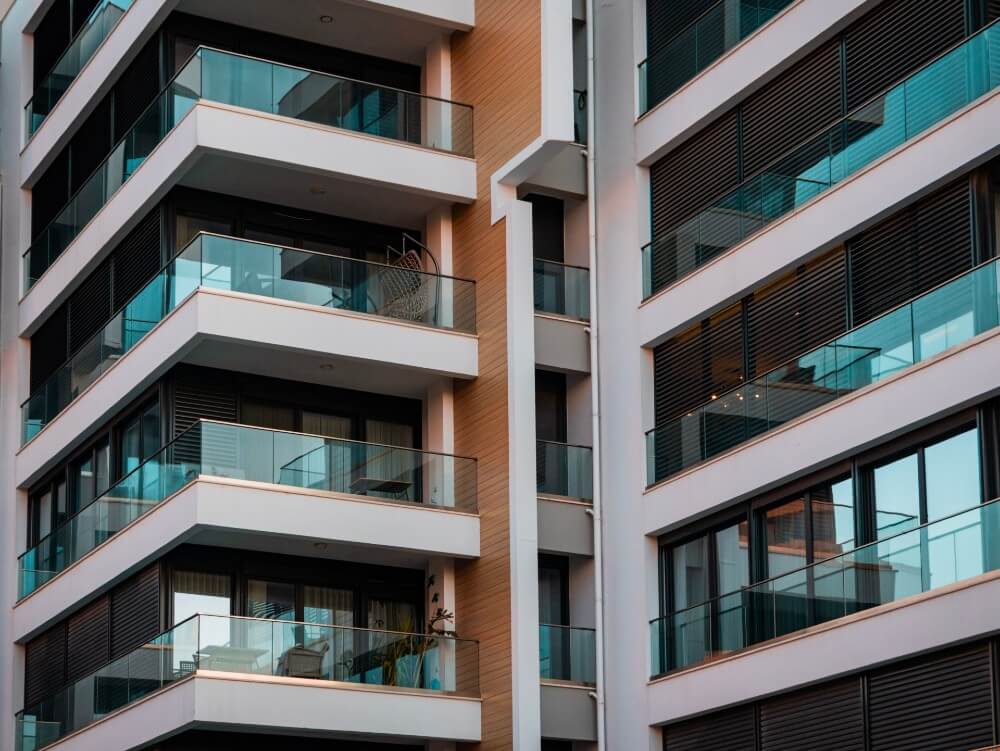
In a market where Class A features like fitness centers and tenant lounges have transitioned from differentiators to baseline requirements, asset managers face a critical challenge. They must find ways to make a building stand out when traditional amenities have become standard across the industry.
This article recaps the key takeaways and strategic insights from our recent webinar, where Noemie Turcotte from Alvéole sat down with Jamie Chavez, Business Development Director at Green City Growers, and Abby Ashley, Founder of GrowBricks. The conversation focused on how nature based engagement programs help owners protect Net Operating Income by moving beyond static features.
The shift from square footage to human connection
For years, the industry focused on maximizing square footage. Today, the priority has shifted toward the quality of the time spent within that space. As corporate footprints shrink, the physical office must offer a tactile experience that justifies the commute.
Jamie noted that modern tenants are looking for more than just a place to sit. "Design has now shifted away from just maximizing square footage," she explained. "People actually really want to feel these interactive spaces. These spaces need to feel alive, they need to feel human."
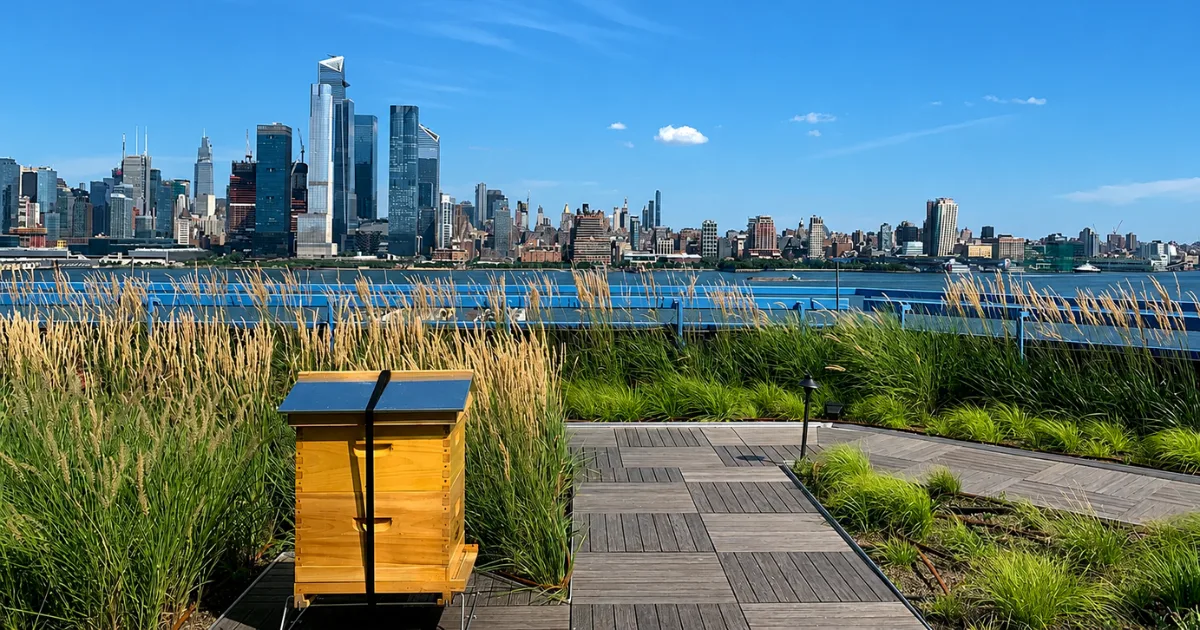
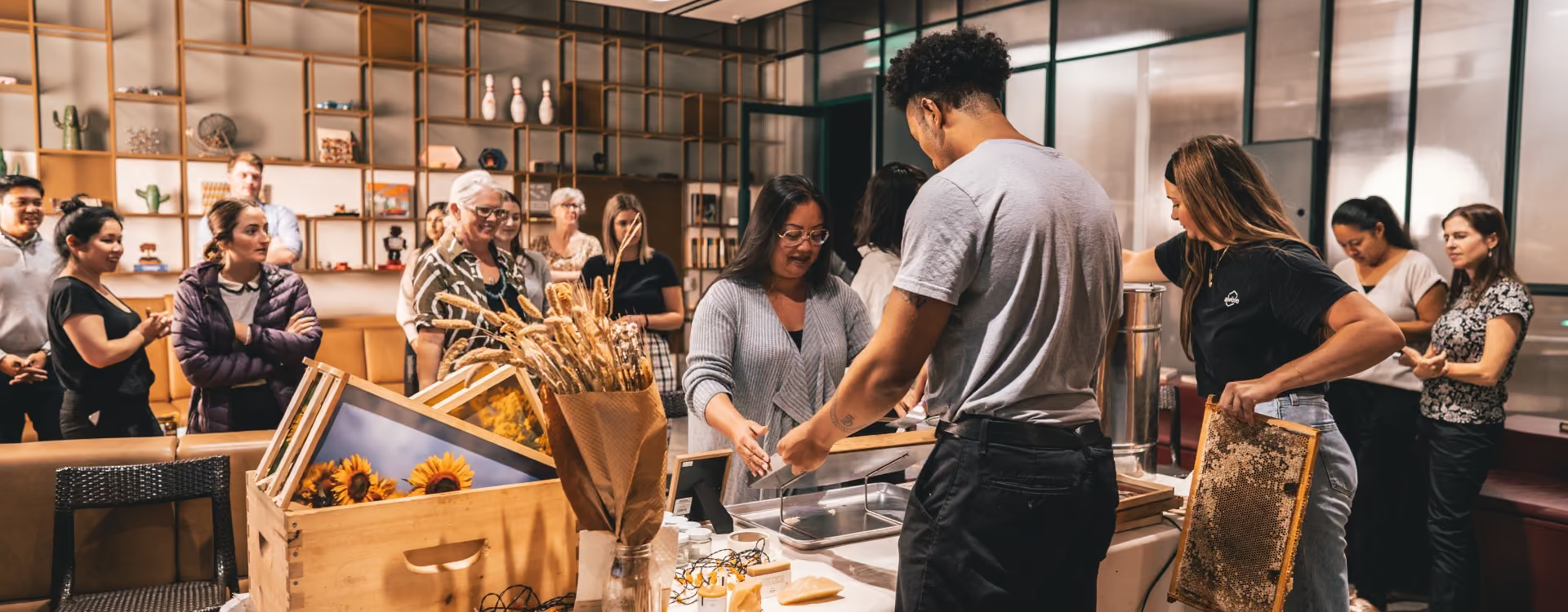
By introducing living elements such as urban gardens, pollinator habitats, or beehives, asset managers can transform a commodity building into a destination with a distinct identity.
Supporting renewals through physical experiences
The panel highlighted that while traditional amenities are functional, nature based programs are memorable. This physical connection is a key driver for tenant retention and leasing velocity.
Leasing ready proof points
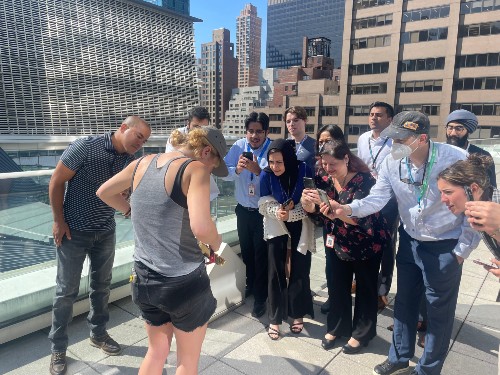
Abby emphasized that the narrative of a building is what stays with a prospective tenant after a tour. "The stories are really what travels," she noted. "They’re what come out in leasing." A nature based amenity provides a hook that a treadmill cannot, giving leasing teams a unique story to tell and tangible takeaways like custom branded honey or garden produce.
Noemie provided an example of how these amenities transition from perks to active leasing tools during property tours. She noted that while many buildings have standard high-end finishes, a living amenity provides a unique narrative that sticks with a prospect. Specifically, she highlighted that a lot of Alveole's clients will use the honey to give it away during the leasing tour, turning a routine walkthrough into a memorable, multisensory experience. This tangible takeaway serves as a physical reminder of the building’s commitment to a unique tenant experience, helping the asset stay top of mind as prospects compare multiple options.
Recurring engagement and seasonal value
Unlike an annual event, nature based programs follow a seasonal cycle. Noemie highlighted how this leads to long term commitment from occupants. "When they are engaged, when they feel part of something, they are more likely to stay in the building," she explained. This engagement continues throughout the year, ensuring the amenity provides value in every season without resident fatigue.
Low capital investment for high impact
A significant part of the conversation centered on the financial pragmatism of living amenities. Unlike "hard" amenity build outs—such as structural roof decks or lobby renovations—nature based programs are low capital investments. They allow asset managers to differentiate an asset immediately without the 12 to 24 month lead times required for construction. This speed to market allows for faster deployment of a "new" feature to support current leasing cycles.
The panel discussed how nature based programs serve as a strategic alternative for asset managers who need to improve building performance immediately without a massive draw on capital. Because these programs utilize existing, often underused spaces like rooftops or plazas, they offer a faster speed to market. This allow owners to deploy a fresh, visible differentiator across a portfolio in weeks rather than years, providing an immediate boost to leasing narratives and tenant satisfaction scores.
Portfolio scale execution with minimal operational lift
A common pain point for asset managers is the operational burden of new initiatives. The programs discussed by Alvéole, Green City Growers, and GrowBricks are built for the realities of commercial real estate.
They deliver high visibility impact across an entire portfolio with very low impact on the onsite team's workload. Jamie emphasized that the goal is to make it as easy as possible for property managers. This results in a turnkey solution where events are scheduled and installations are maintained, requiring only minimal coordination from the PM.
Data for investor reporting and sustainability
Standing out also means meeting the increasing demand for structured sustainability data. These programs differentiate assets through measurable outcomes rather than just physical presence.
By providing participation and engagement data, these initiatives turn a tenant experience into a strategic business tool. This data allows asset managers to demonstrate social impact and biodiversity commitment to investors. It moves these services into the realm of essential tools for portfolio wide reporting and alignment with frameworks like GRESB or TNFD.
Summary of nature based program benefits
FeatureValue addedOperational impactVisible AmenityTangible proof points for leasing tours and marketingRequires minimal coordination from the onsite teamTactile ExperiencesDifferentiates assets from standard "digital-only" appsScheduled, turnkey events run by expertsYear-Round EngagementSupports tenant retention through all seasonsIndoor programming ensures value during winterNature DataAligns with GRESB, TNFD, and investor reportingAutomated data collection and reporting outputsPortfolio ScalabilityConsistent experience across 5 or 500 assetsStandardized execution with low capital expenditure
Is your asset standing out?
To evaluate if your current amenities are truly driving asset value, consider these three questions:
- Is it visible? Does the amenity provide tangible proof points for leasing teams to use today?
- Is it recurring? Does it provide a reason for tenants to engage with the building year round?
- Is it scalable? Can it be deployed across your portfolio without a significant increase in property manager workload or capital expenditure?
By moving away from static perks and toward living interactive amenities, asset managers can ensure their buildings are the preferred choice for the modern tenant.
We want to thank Grobrix and Green City Growers for their time and expertise in exploring how nature based solutions drive measurable value for commercial portfolios. If you would like to explore these strategies in more detail and see the full discussion on asset differentiation, you can access the full recording below.
https://www.youtube.com/watch?v=I0OSHDdC1Kw