
Why biodiversity is moving up the CRE agenda
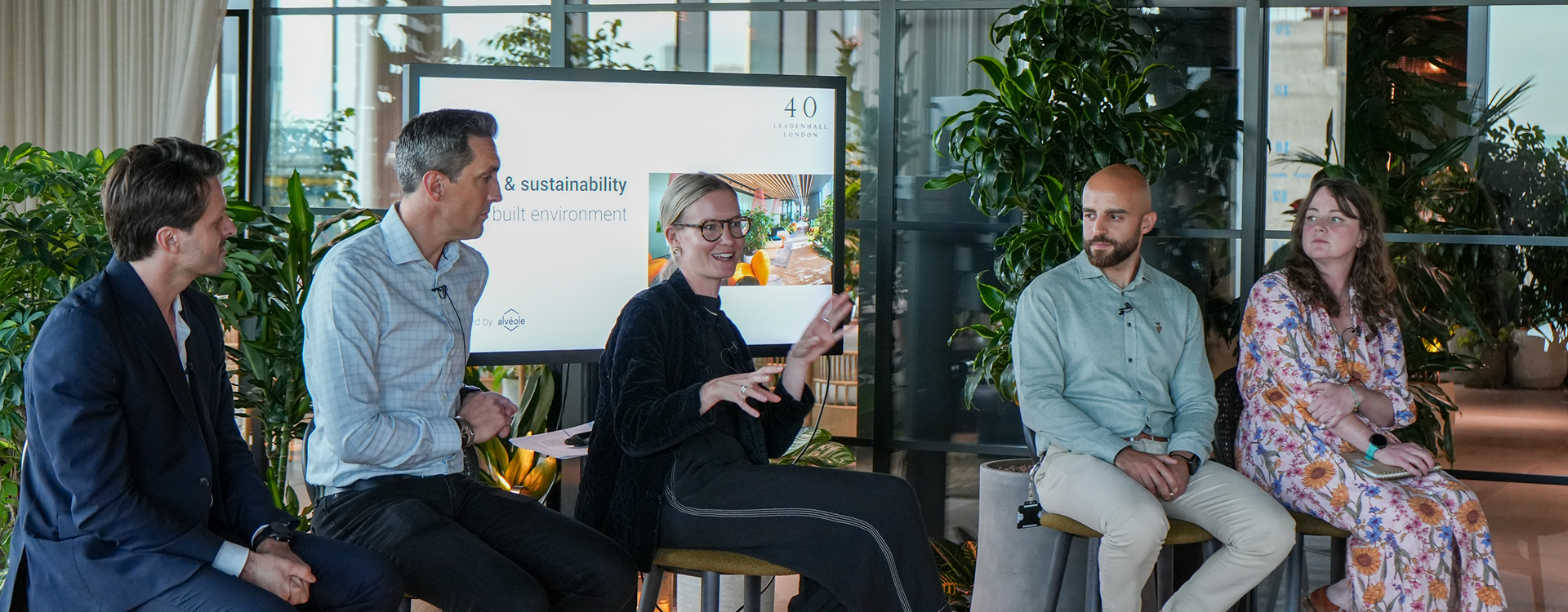
At 40 Leadenhall, one of London’s most ambitious new developments, leaders from BRE, CBRE, JLL, Savills, and Alvéole gathered to tackle a question shaping the future of real estate: how do we bring nature into the built environment?
The discussion made one thing clear. Biodiversity is no longer a “nice-to-have.” It is shaping ESG strategies, investment decisions, and tenant expectations, with real implications for value and risk.
Biodiversity is climbing the ESG agenda
Regulators and investors are raising expectations. With frameworks like the UK’s Sustainable Disclosure Requirements, the Taskforce on Nature-Related Financial Disclosures, and the EU’s Corporate Sustainability Reporting Directive, biodiversity now sits alongside carbon in ESG conversations.
“Nature is no longer optional,” said Tamsin McCabe, Head of Standards at BRE. “Standards are evolving to reflect the fact that biodiversity is material. We’re already seeing how investors, regulators, and occupiers are asking much sharper questions about how assets impact and depend on nature.”
This is not just about compliance. Assets that integrate biodiversity are viewed as more resilient to both regulatory scrutiny and market shifts. They are also emerging as more attractive to tenants and investors.
Turning ESG commitments into action
Delivering on commitments means putting solutions in place at the property level. This is where theory becomes practice.
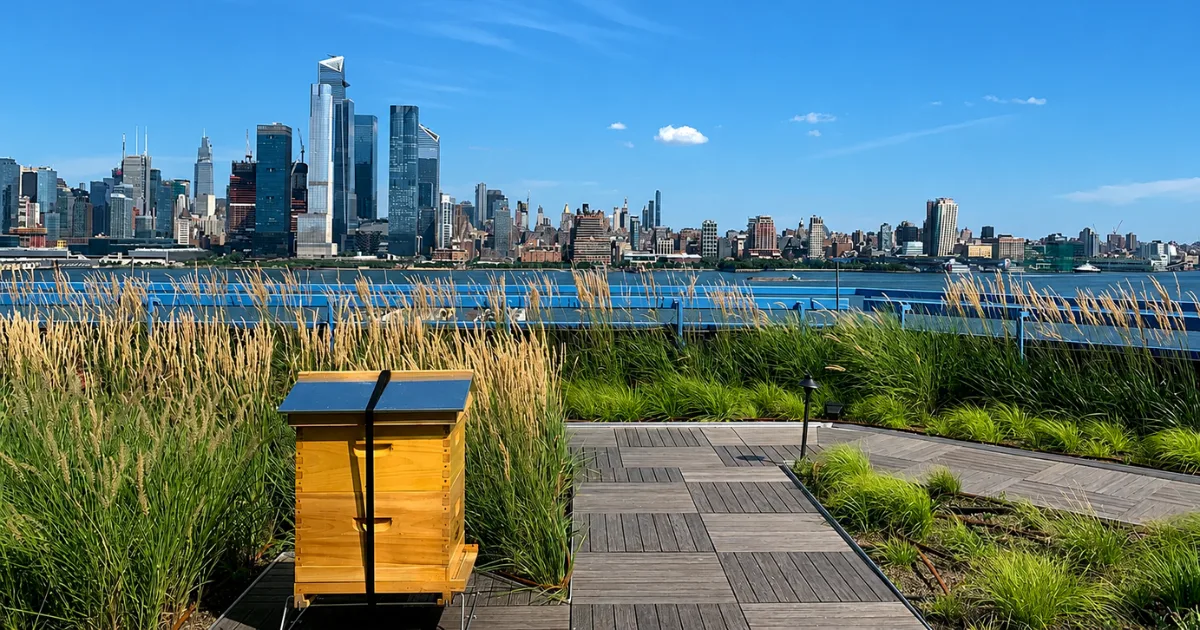
Property managers make sure nature-based features are not only installed but also maintained and activated. Green roofs, pollinator programs, and tenant-facing initiatives such as beekeeping workshops are now part of day-to-day operations.

Carl Brooks, CBRE, highlighted the critical role of operations:
“Property managers are the boots on the ground. A green roof or pollinator habitat only delivers value if it’s maintained and activated. That’s why we need solutions that are operationally simple and visible to tenants.”
Case studies shared at the event showcased rooftop gardens, pollinator habitats, and biophilic design. These features enhance ESG performance while offering tenants direct, tangible experiences with nature.

How nature drives wellness and leasing value
Martha Smellie, JLL, pointed to a trend that’s hard to ignore:
“Wellness and engagement programs linked to nature resonate deeply with tenants. When employees have access to green terraces, biodiversity workshops, or even something as simple as a beehive, they see that their workplace is aligned with their wellbeing.”
This connects directly to leasing.
Joey Aoun of Savills added:
“Stakeholders need to see the link between biodiversity and performance. We’ve had projects where nature-based solutions supported higher occupancy and retention, and even contributed to securing anchor tenants. Once you demonstrate that link, the conversation changes completely.”
In other words, biodiversity is becoming a differentiator in leasing conversations.
Translating nature initiatives into measurable outcomes (higher occupancy, stronger retention, and tenant satisfaction) is key to stakeholder buy-in.

When tenants experience nature, engagement grows
One of the strongest points of consensus was the power of tenant engagement. People are more likely to value biodiversity when they can see, touch, and experience it.
Carl Brooks (CBRE) summed it up:
“When tenants can interact with these programs, whether that’s tasting honey from a rooftop hive, joining a biodiversity workshop, or just spending time in a pollinator garden, it transforms their perception of the building. It becomes part of their daily experience.”
That visibility creates ripple effects: stronger tenant satisfaction, positive PR for landlords, and differentiation in competitive markets.
As one panelist put it, “No one tells their friends about the building’s HVAC system. But they’ll definitely talk about the beehive on the roof.”
Scaling biodiversity across portfolios
The next challenge for CRE leaders is scale. Portfolio owners want consistent biodiversity strategies across multiple assets, not just flagship projects. Data and reporting will be key.
“Success in five to ten years will mean biodiversity is as embedded in building operations as energy efficiency is today,” said Tamsin McCabe (BRE). “And if I could recommend one action for building owners to take tomorrow, it would be to start small and visible. Give tenants something they can see and engage with, and build momentum from there.”
For Alvéole and other solution providers, the focus is on enabling owners and managers to measure and report biodiversity in ways that align with ESG frameworks.
That is how one-off projects become portfolio-wide strategies.
What this means for CRE leaders
The 40 Leadenhall discussion showed how far the agenda has shifted. Biodiversity has moved from the margins to the mainstream. For owners, managers, and ESG leaders, integrating nature is now about resilience, differentiation, and long-term value.
The question is no longer whether to act, but how quickly you can scale.
A rooftop hive or pollinator garden may start small, but it can spark conversations, inspire tenants, and deliver measurable ESG impact.
For portfolios under increasing investor scrutiny and tenant expectations, biodiversity is now a lever for both performance and experience.