
Wild bee homes: 5 frequently asked questions
First, the most important question of all: what is a wild bee home?
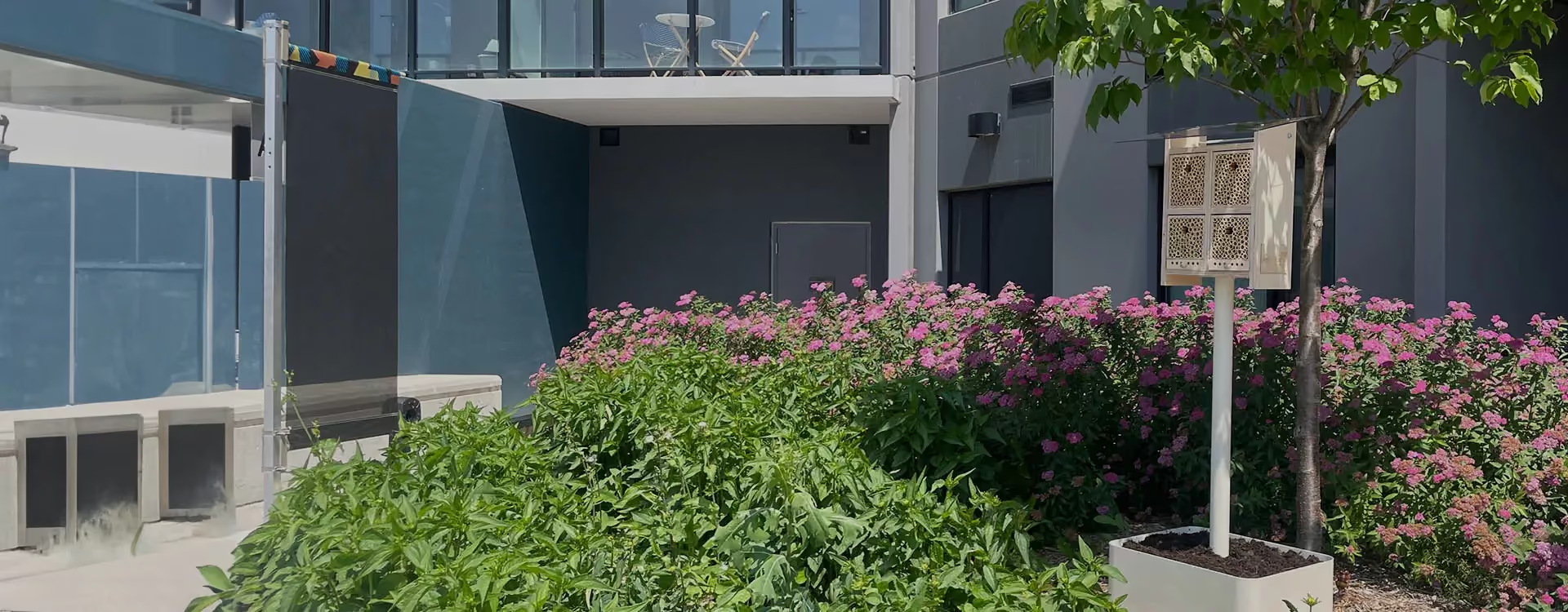
Wild bee homes (sometimes called bee condos, bee homes, bee houses, or insect hotels) are structures in which solitary bees can build nests and lay their eggs. These spaces provide suitable nesting sites for different bee species that don’t live in colonies, unlike the familiar honeybee.Wild bees are native bee species that often live alone rather than in large groups. They typically nest in dead wood, old beetle holes, hollow plant stems, or even hollow reeds, which are mimicked in the hollow tubes found in bee homes. These natural shelters are essential nesting resources for bees, helping to support native bee populations and protect their diverse nesting habits.By incorporating different materials like bamboo, hollow stems, and holes drilled into wood, bee homes replicate natural nesting sites, helping these effective pollinators thrive.
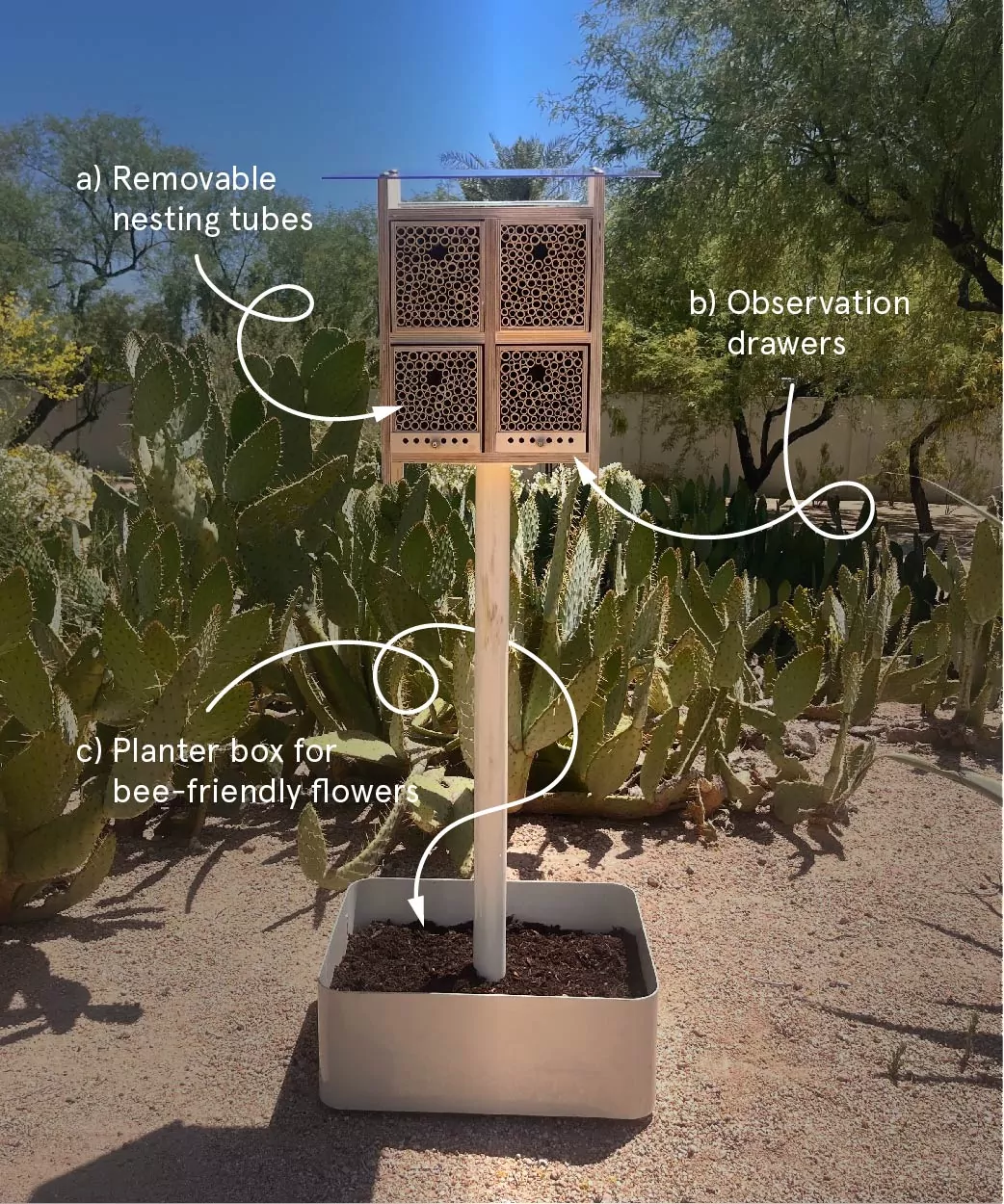
THE ANATOMY OF AN ALVÉOLE BEEHOME
a) Removable nesting tubesb) Observation drawersc) Planter box for bee-friendly flowers
Read:How you can support wild bees by installing a BeeHome on your property
FAQ #1: WILL HAVING A WILD BEE HOMES INCREASE MY CHANCES OF GETTING STUNG?
No, installing a wild bee hotel in your home garden or lawn will not increase your chances of getting stung. Bee hotels are only used by solitary bees and solitary wasps, not the more aggressive wasp populations like yellowjackets or hornets. In fact, the vast majority of wild bees are very gentle. They do not defend their nesting sites and rarely, if ever, sting. These guests are more interested in flowers, nectar, and pollen than in humans.
FAQ #2: WHAT TYPES OF BEES USE THESE HOMES?
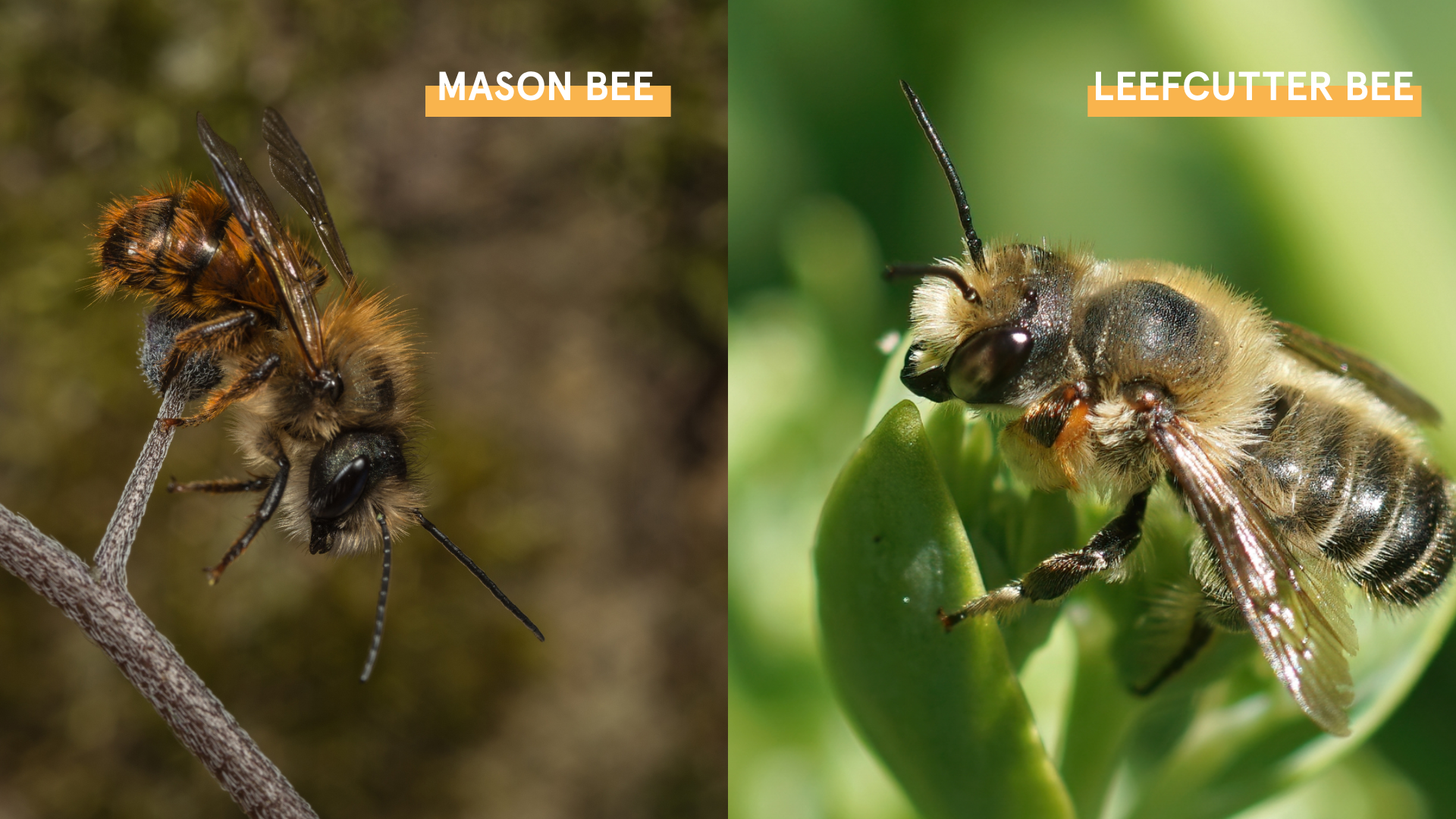
The species that use your bee home will depend on where you live. The most common native bees to nest in these spaces are mason bees and leafcutter bees, both of which are known as important pollinators. Sometimes even bumble bees will seek shelter in small crevices, though they typically prefer other types of habitat.
You may also attract solitary wasps, which are harmless to humans and actually help control pest insects. These beneficial animals can protect your plants by hunting caterpillars and other garden pests.
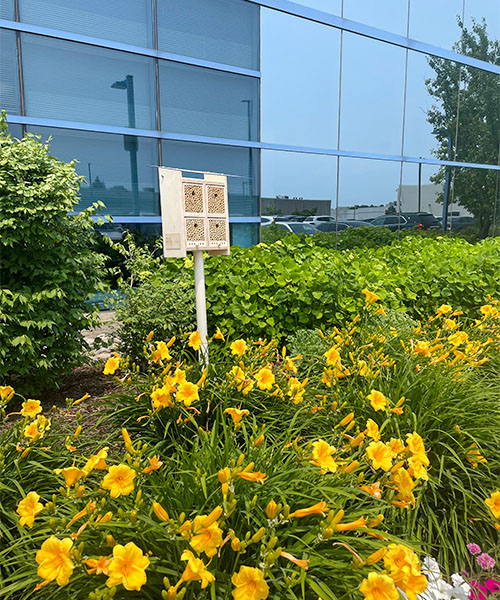
FAQ #3: WHERE SHOULD I INSTALL A WILD BEE HOMES?
Place your bee home in a sunny spot, hang it about 3–5 feet off the ground, and keep it sheltered from strong wind and rain. Surrounding it with flowers and plants that provide nectar and pollen will create an ideal environment. Choose native flowers, since native bees tend to prefer them. This also encourages pollination in your garden.
Solitary bees only fly short distances, about 550 yards (500 meters), to find food. That’s much less than a honeybee, which can fly up to 2 miles (3 km). So it's essential to create a habitat with plenty of blooming plants nearby.Tip: Add mud, dead wood, and hollow plant stems to increase the appeal of your garden for many species of bees and pollinators.
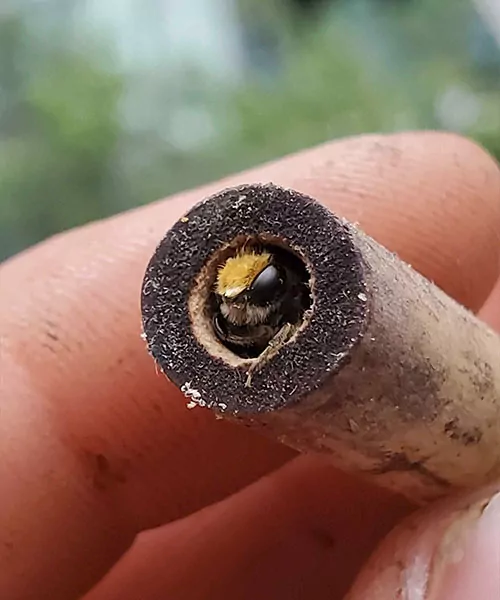
FAQ #4: DO THEY NEED TO BE CLEANED OUT EACH SEASON?
Yes, proper maintenance is crucial. Over time, used nesting tubes can harbor parasites or harmful fungi. Swapping in clean tubes or replacing used hollow stems helps support healthy bee populations.
Helping the next generation of wild bees through the winterTo further support the life cycle of solitary bees, your Alvéole beekeeper may collect mason bee cocoons in the fall. These are then cleaned and stored safely for spring, when the bees emerge and begin to pollinate again. This extra step increases survival rates for these important pollinators.
FAQ #5: WHAT CAN I DO TO ATTRACT MORE BEES TO MY WILD BEE HOMES?
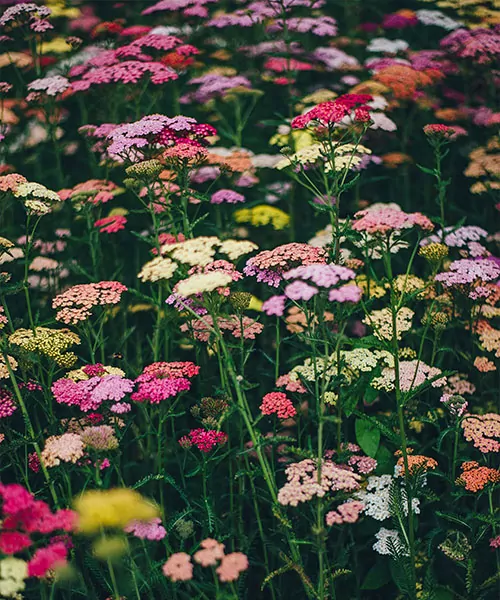
Flowers are the key! Bees need nectar and pollen to eat, feed their larvae, and thrive. Choose a variety of native plants with different bloom times to ensure there's always something flowering. Try succession planting—planting multiple rounds of flowers to keep the blooms going all summer long.
Including a mix of hollow stems, beetle holes, old logs, and bare ground will make your space inviting for different bee species. The more habitat options available, the more types of pollinators and insects your garden will support. Check out these regional planting guides from Pollinator Partnership (Canadian guides) and The Xerces Society (US guides).Don't forget: even a small corner of your garden or lawn can become a buzzing haven for native bee populations when provided with the right space, shelter, and food.