
Asset managers are choosing OpEx amenities over CapEx build-outs

Asset managers are facing a practical problem: traditional tenant amenities take too long to build and cost too much upfront. When market conditions shift faster than construction schedules, these permanent build-outs become "stranded" costs. You’re left with a physical asset that provides no data on whether it actually helps retain tenants.
The risk of permanent build-outs
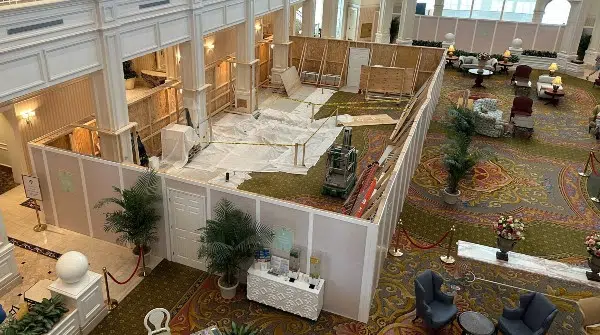
A $500,000 tenant lounge takes eight months to finish. If your anchor tenant reduces their footprint by 40% while you’re still in construction, that lounge opens to a half-empty building. You’ve committed major capital to a structural change you can’t undo or easily measure.
In a high-interest-rate environment, these fixed costs are a liability. Portfolio managers need flexibility and immediate impact, not construction permits and multi-year planning cycles.

Fast deployment, low-risk testing
You can roll out a portfolio-wide program in weeks, not months. If the tenant response is weak, you kill the program at the next renewal. There are no structural changes to reverse and no capital to write off.
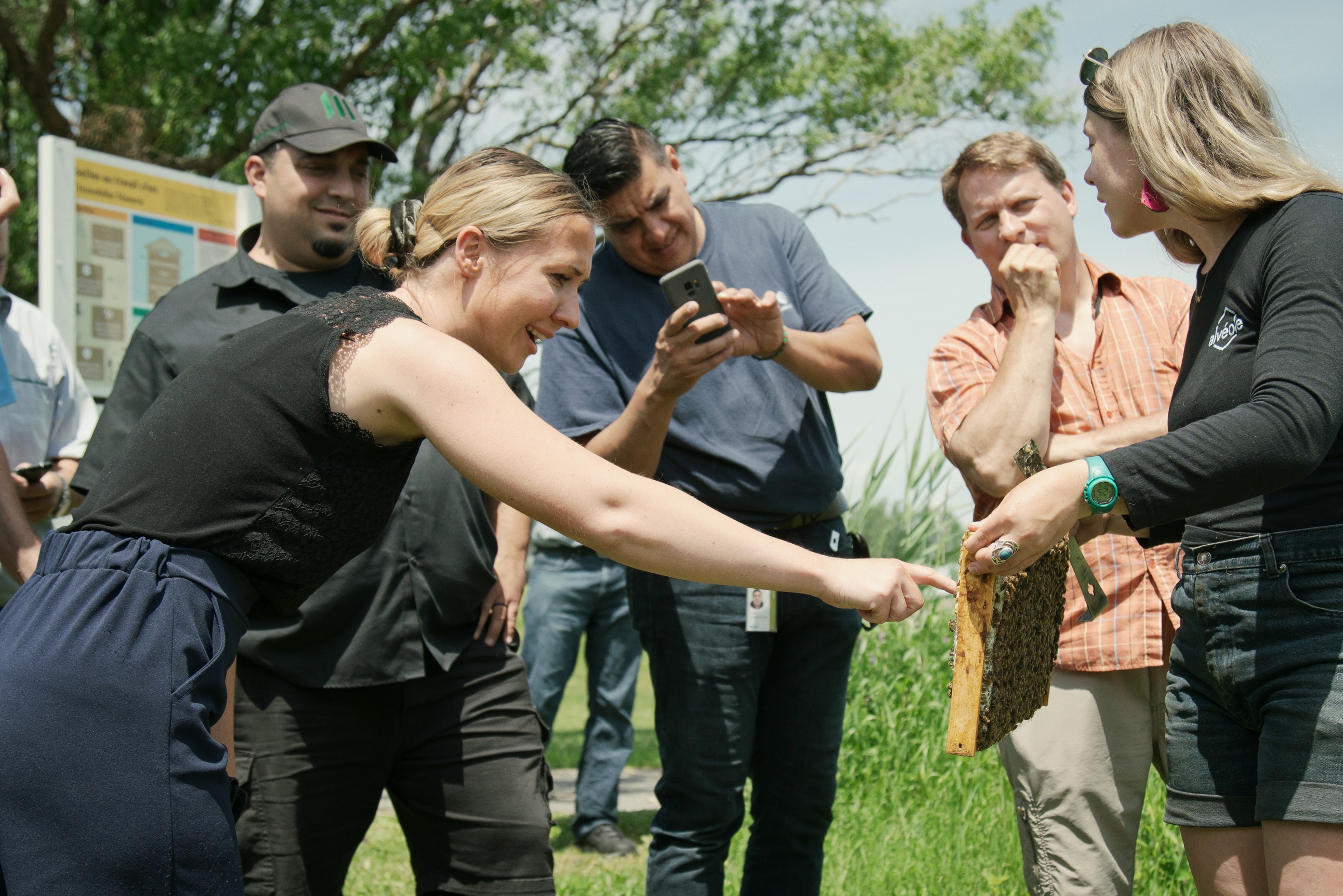
Subscription-based amenities (like pollinator habitats or urban beehives) deploy immediately. You sign a service agreement; the program starts the following month. No permits. No multi-year planning cycles.
The annual cost is predictable. Property management teams get full program support, from the initial setup to tracking engagement. This isn't just "fluff". MIT research found that a one-point increase in tenant satisfaction correlates with 8.6% higher lease renewal rates. That is a direct impact on your bottom line.
Nature and biodiversity programs, specifically, require zero build-out. They sit on rooftops or unused outdoor space. If the data shows weak engagement, you exit. The risk profile is fundamentally lower than permanent construction.
Portfolio-wide scale without the bandwidth drain
Asset managers overseeing multiple properties face a hurdle: 73% of office tenants expect sustainability programs, but onsite teams don't have the bandwidth to run them.
A subscription model fixes this. One contract covers the portfolio. Each property gets the same quality without requiring local PMs to babysit vendors or manually track engagement data.
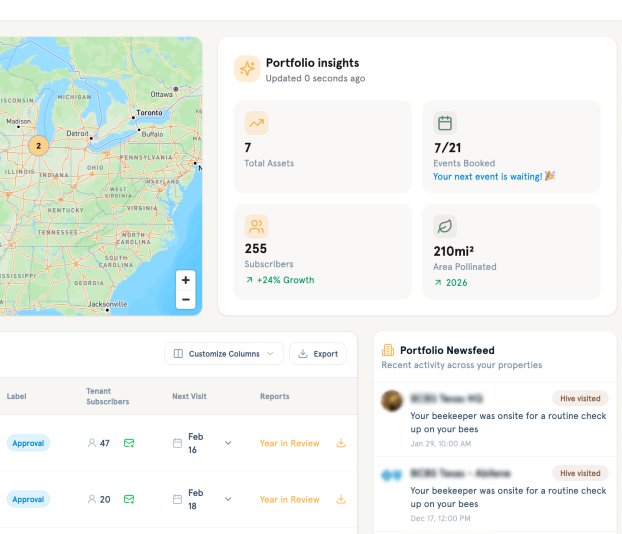
Hard data for investor reporting
CapEx amenities are "dark." You can’t prove a lobby renovation kept a tenant from moving. OpEx programs generate quarterly reports on participation rates and event attendance.
Investors now demand disclosure on tenant engagement and property-level sustainability reporting. Subscription amenities hand you the documentation: participant counts, event frequency, and measurable nature outcomes like urban greening.
On your next investor call, you can point to actual attendance data, not just construction invoices.
In fact, investors are increasingly requiring disclosure on tenant engagement and property-level ESG performance.
The deployment advantage
Markets move faster than contractors. Asset managers who tie up capital in permanent structures lose their ability to pivot. OpEx amenities let you deploy fast, scale wide, and exit if the program underdelivers.
The buildings winning the market aren't necessarily the ones with the flashiest lobbies, they’re the ones where managers invest in programs tenants actually remember when their lease is up for renewal.