
What gives Morguard tenants a reason to stay
- Managed beehive program with beekeeper visits
- Tenant engagement events & activations
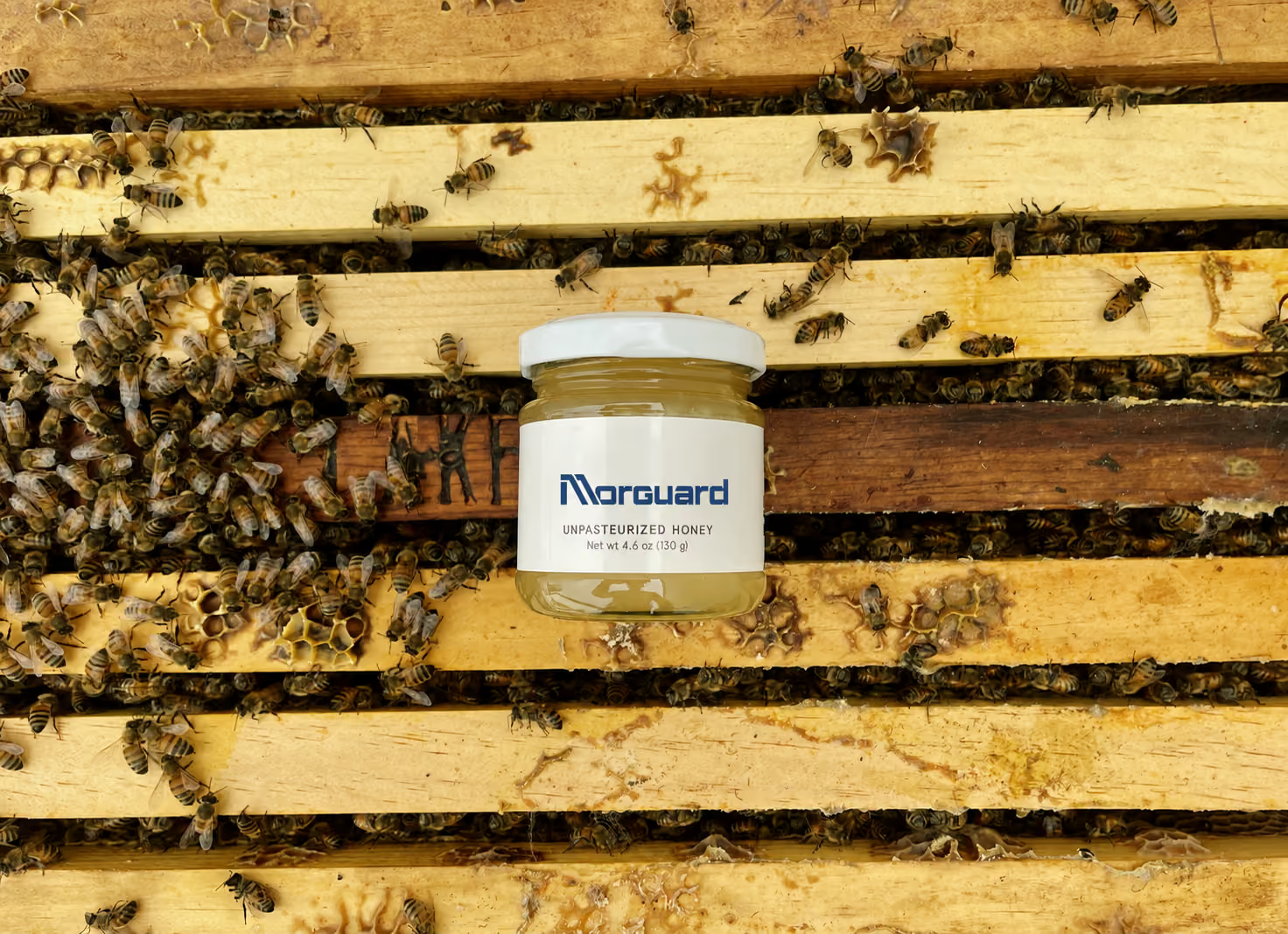
- Branded honey harvest (100 jars per site, per season)
- MyHive engagement platform & reporting
- GRI, BOMA BEST & LEED certification support
.avif)
The challenge
By 2018, Morguard was managing a large and growing portfolio across multiple asset classes. Tenants were asking more pointed questions at renewal. And Morguard had made a deliberate choice to report on sustainability, to reflect how they wanted to operate.
The harder question wasn't whether to act. It was how to run something consistent across an office tower in Ottawa, a regional mall drawing 7.5 million visitors a year, and a residential community in the same city, without rebuilding the program from scratch at every property, or adding workload to property teams.
They needed a program that could scale, engage, and hold up in a GRI report.
They deployed Alvéole across 39 properties.
What runs at every site
Each installation follows the same model: a managed beehive, beekeeper visits every three weeks, scheduled tenant events, and 100 branded honey jars per harvest. Alvéole handles all of it. Property teams show up. They don't run any of it.
What changes is how each asset type uses the program.
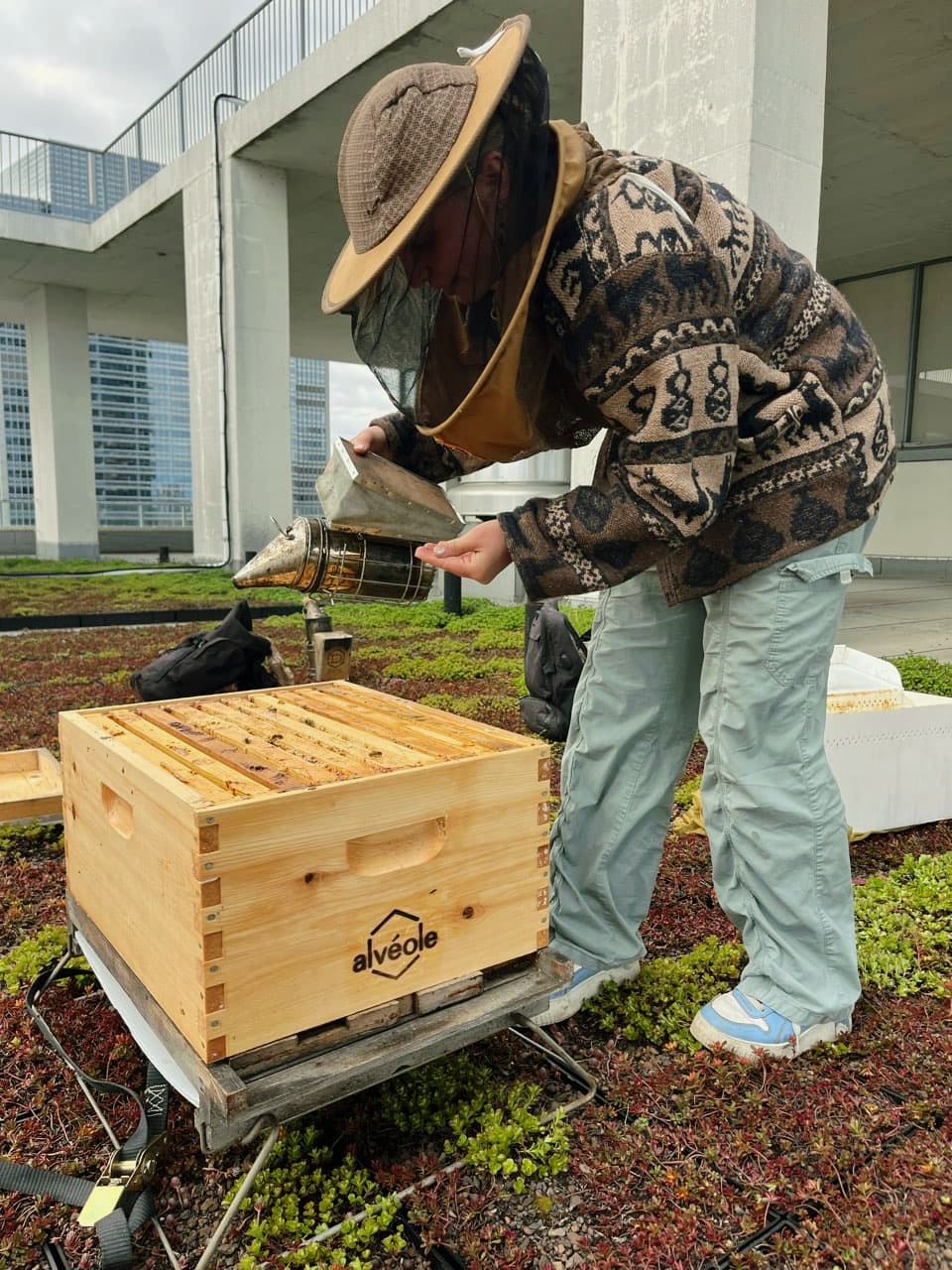
Office
77 Bloor, 131 Bloor, 99 Metcalfe, 150 Elgin, Kinaxis HQ (3199 Palladium Dr.)
The program gives leasing teams something specific to point to on tours and at renewal. Prospects see an ongoing program that belongs to the building. At renewal, the team has a documented record of tenant participation, and not just occupancy numbers.
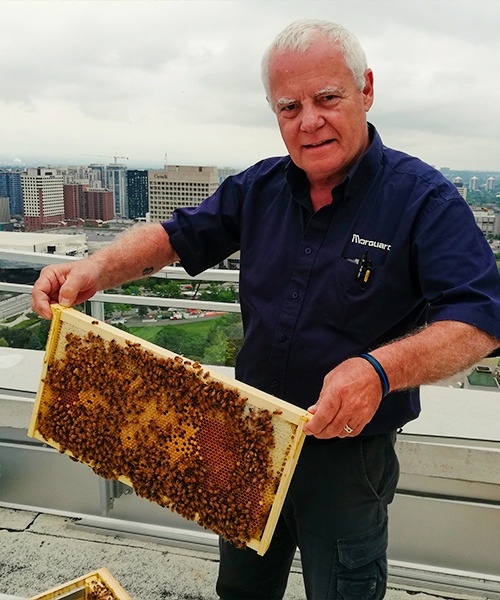
Retail
Bramalea City Centre, St. Laurent, Cambridge Centre, Centerpoint Mall, East York Town Centre, Bonnie Doon
The program runs as public-facing activations: lobby displays, workshops, honey giveaways. St. Laurent, which draws 7.5 million visitors a year, incorporated it into its 2025 revitalization. The team now has engagement proof that's unique to the program.
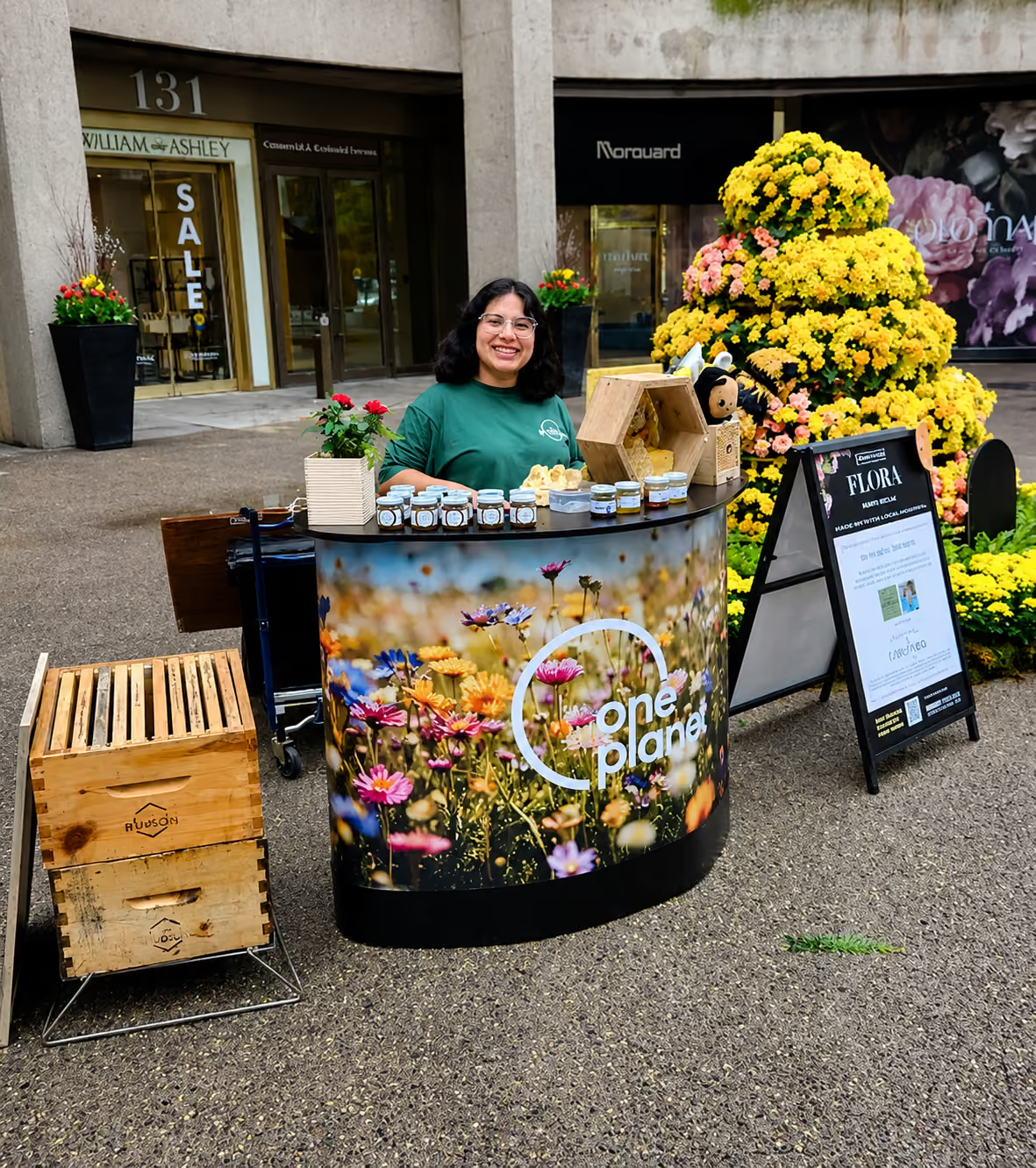
Residential
Jean Edmonds Towers, 59 Camelot, Ottawa
Residents get seasonal events and branded honey jars from their building's hive. A tangible, recurring touchpoint that makes staying feel like the obvious choice, managed entirely by us.
The results
The program started at a single Morguard property in 2018. It now runs across 39 sites and has grown 25% year over year.
Here's what that looks like in numbers:
"Tenants notice it, they love it, and they talk about it. The engagement is real. And the partnership has been effortless to run - that's not something you can say about most building programs." said a Senior Asset Manager at Morguard Corporation.
Reporting and certification
Every installation generates two types of data no other building program produces at the property level.
- Environmental: Recurring seasonal biodiversity data per building, instead of a one-time survey. Supports GRI disclosures on biodiversity and ecosystem impacts, as well as TNFD and CSRD reporting.
- Social: MyHive tracks event attendance and participation per property, with both data streams supporting GRI social indicators for voluntary sustainability reporting.
Each installation support BOMA BEST and LEED certifications: up to 14 points per property under LEED, up to 13 under BOMA BEST. No capital infrastructure required. BOMA BEST certified buildings command an average 7% rent premium and 3.5% lower vacancy.
Participation summaries go to Morguard after each event: dated, property-specific, and cumulative. At renewal, that record answers the question most landlords can't: what makes this building worth staying in over the one across the street?

From one site to national rollout
Deploying across 39 properties settled the question of whether a program like this could scale. The portfolio included regional malls, office towers, and residential assets, and the program didn't fragment into separate versions for each.
One operating model. The same reporting structure, service schedule, and delivery approach: regardless of asset class, building size, or tenant mix. That's what 25% year-over-year growth across a portfolio looks like when the program actually works.