
Is urban beekeeping the key to reducing your building’s ecological footprint?
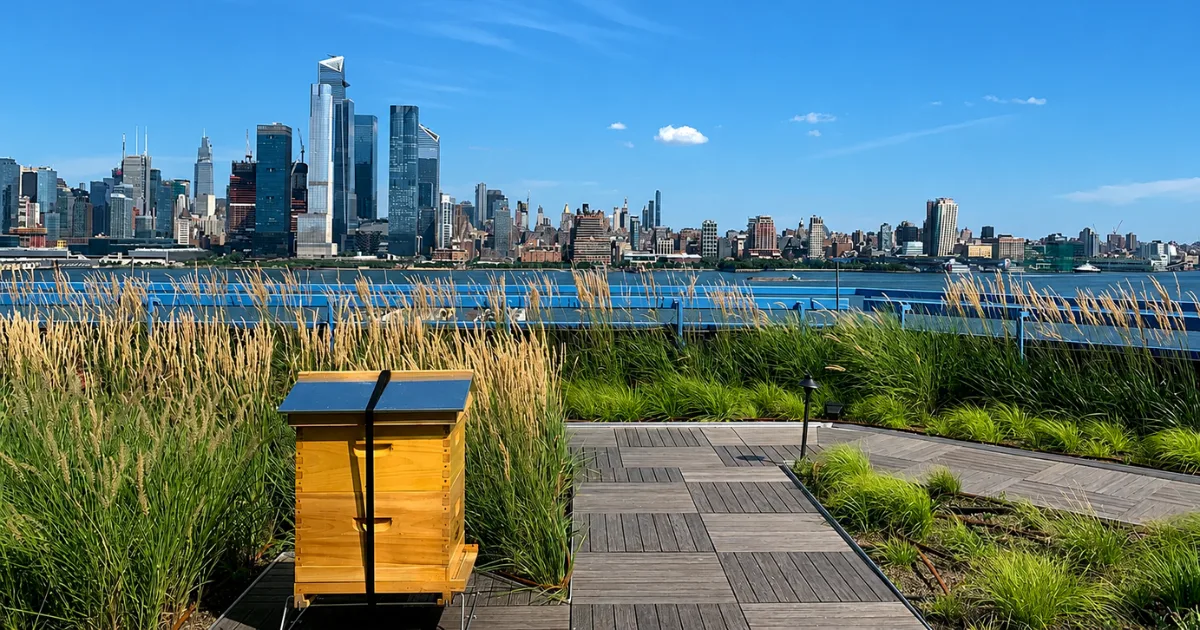
When it comes to reducing a city’s urban ecological footprint, owners, managers and suppliers in the commercial real estate industry can be the root of significant global change. Urban apiaries have become sought-after and desirable amenities that contribute not only to a building’s ecological footprint and environmental impact, but also to property value, tenant retention, and engagement. One of the simplest educational ecological initiatives you can take involves bees.
GREENER SPACES BOOST APPEAL
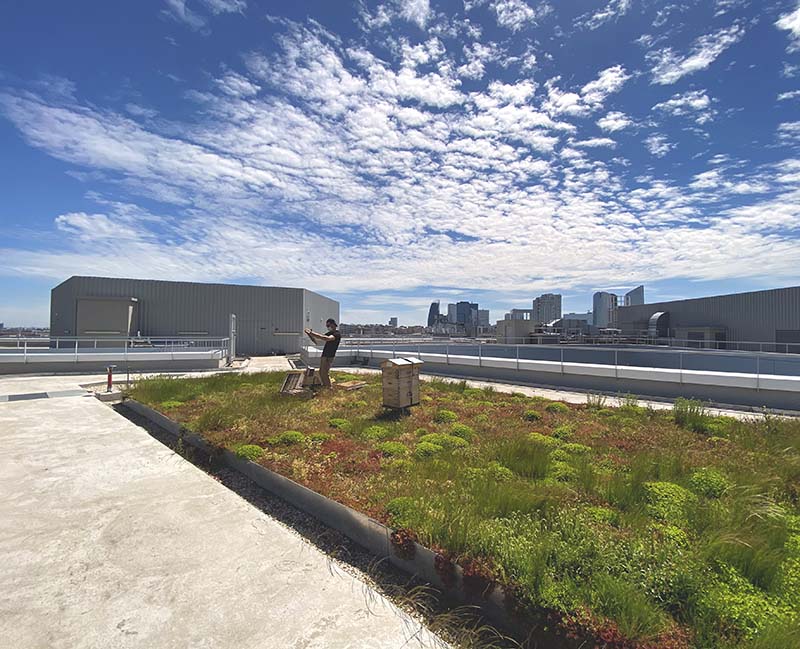
As individual and corporate support grows for the preservation of urban green spaces and local food ecosystems, tenants and customers have come to expect more from the buildings they set foot in. As part of your ecological strategy, urban beekeeping shows that you’re invested both in minimizing ecological impact and in reconnecting people with their natural environment. But that’s not all, by offering healthier, greener spaces, you also:
- Contribute directly to the health and well-being of tenants;
- Substantially increase tenant satisfaction and marketability
- Engage with people about the importance of biodiversity and bee populations
SMALL BEES START BIG CONVERSATIONS
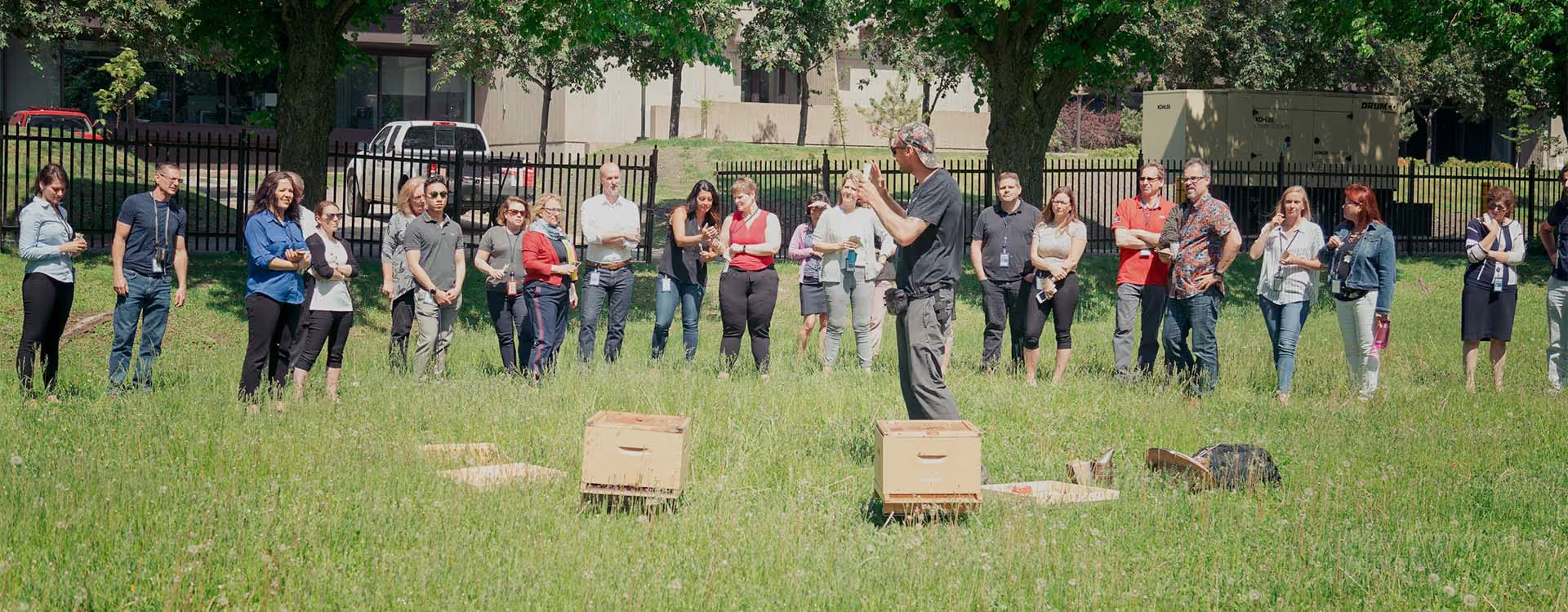
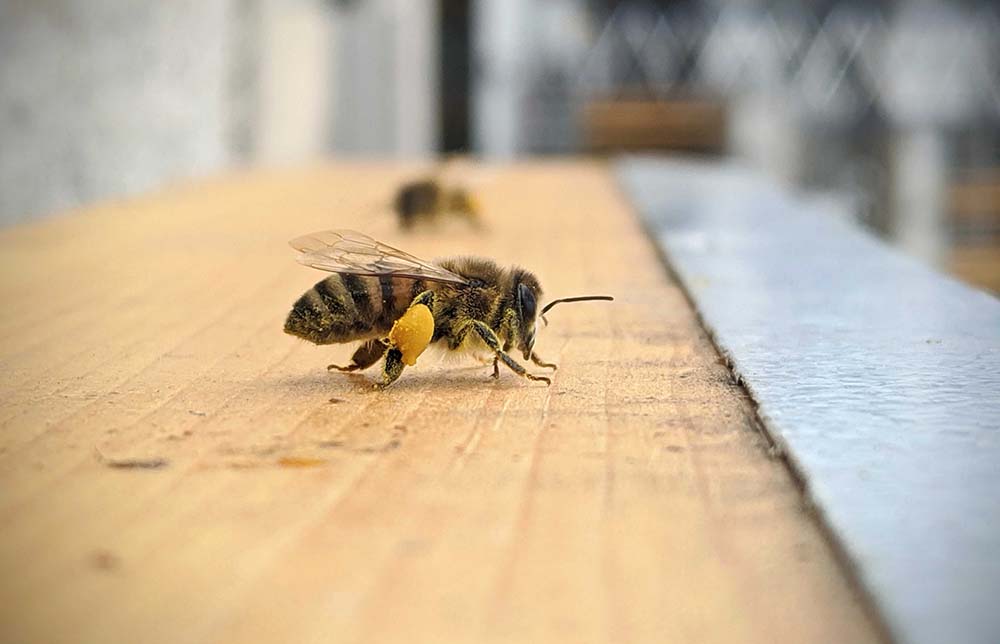
Urban honey bees have a unique ability to act as ambassadors for all beneficial insects, sparking important conversations about our environment and sustainable food production. By integrating beekeeping into your building's green initiatives, you help reduce your building’s ecological footprint while also enhancing tenant engagement.Educational workshops and team-building activities centered around beehives serve as a powerful vehicle for fostering awareness. After participating, individuals become enthusiastic spokespeople for bees, urban beekeeping, and broader ecological efforts, aligning perfectly with your sustainable objectives
“Our property teams have taken an interest in providing the hives with ideal conditions, including adding extra pollinator-friendly planters, becoming educated in urban beekeeping and hosting workshops for our customers to also learn more.”– Darryl Neate, Director of sustainability. Oxford Properties
MINIMAL RESOURCES YIELD MULTIPLE LONG-TERM BENEFITS
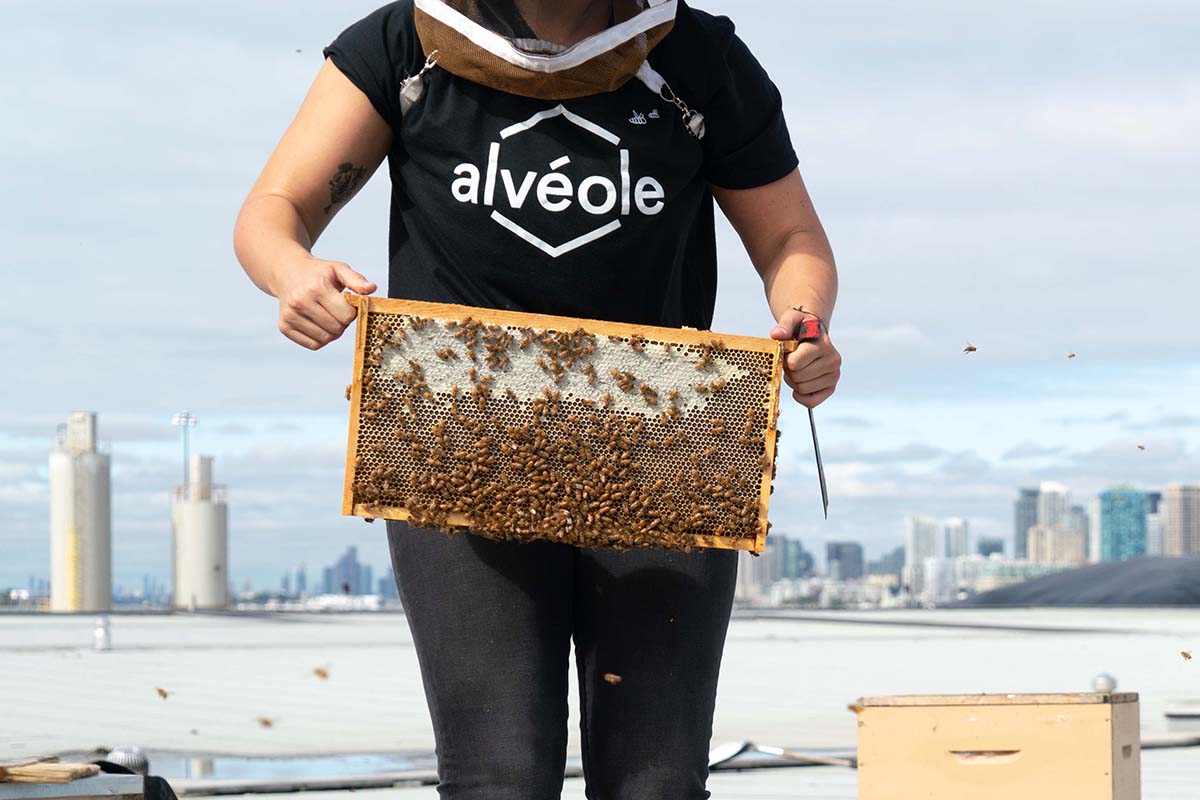
The installation of a hive in an urban environment requires surprisingly few resources, yet brings a flood of direct and indirect benefits – notably increased social and ecological engagement and welfare.When building owners and managers actively implement innovative initiatives like urban beekeeping, they gain firsthand insight into the direct impact bees can have on their tenants and the broader community.By contributing to these efforts, they not only enhance tenant satisfaction but also play a pivotal role in reducing their building’s ecological footprint. This involvement offers an opportunity to shape the future of their city, improving overall quality of life and fostering a more sustainable urban environment.
“A beekeeping project is affordable and easy to execute… The benefits are numerous and go hand-in-hand with the potential long-term impacts. Hundreds of Canadian companies are enjoying the benefits of having hives on their premises, proving that projects like these pose no problem in regards to safety or civil responsibility.”– Darryl Neate, Director of sustainability. Oxford Properties
A CONNECTION TO THE BUILDING
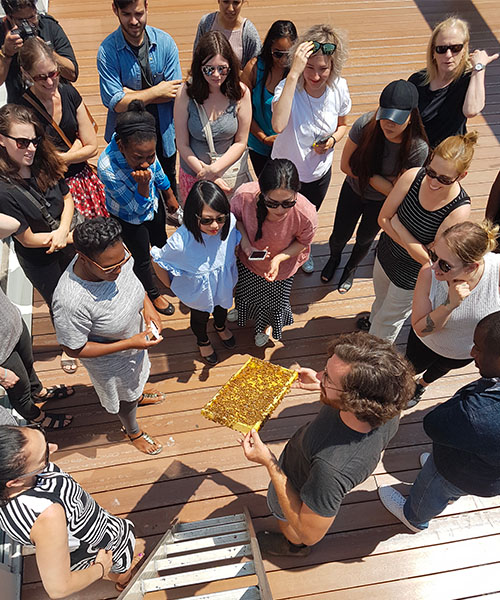
Installing beehives in a workplace creates a unique way for communities to connect and collaborate. Much more than just an activity, a beehive not only connects people to bees but also fosters a sense of community within the building.By engaging in activities like following the hive's growth online or participating in workshops, individuals develop a meaningful connection and purpose. This involvement also contributes positively to the building’s ecological footprint, as it emphasizes sustainability and environmental awareness, making the space more attractive to tenants and enhancing overall community spirit.