
Biodiversity is showing up on investor DDQs. Here's what to do about it.
By Alex McLean, CEO and Co-founder, Alvéole
Over the last year and a half, I've had a lot of conversations with real estate professionals about biodiversity. Some of those conversations have been straightforward. Many have not. Biodiversity is genuinely complex and the industry is still figuring out what to actually do with it.
But something has shifted. And if you haven't felt it yet, you will.
Why biodiversity is now a real estate issue
Let me start with the question I get most often: Why should I care? I own a portfolio of commercial buildings, not a forest.
It's a fair question. But here's what the science tells us: the built environment and land use change are among the top two leading causes of biodiversity loss globally. The TNFD (the Taskforce on Nature-related Financial Disclosures, which now has over $24 trillion in AUM backing it as a framework) puts real estate squarely in scope. So does GRESB, which recently added RM-7, a dedicated biodiversity category. LEED V5 now has approximately 25% of its entire framework covering biodiversity-related criteria. BREEAM has included it for years.
This isn't a niche issue anymore. The certification and investor frameworks have made it material.
The DDQ pressure is real and it's accelerating
Three years ago, biodiversity barely appeared on LP due diligence questionnaires. Today, most large LPs have biodiversity questions on their DDQs. What's changed isn't just the presence of these questions. It's their depth.
Early questions were broad: Do you have a biodiversity strategy? Are you thinking about risks and dependencies? Some LPs are still there. But the leading edge has moved significantly. Nuveen, APG, AP2 and most recently Norges Bank Investment Management (which just published a 15-page framework of specific KPIs they expect from portfolio companies) are major capital allocators making nature a non-negotiable part of how they evaluate real estate managers.
The direction is clear. Biodiversity DDQs are evolving from "tell us about your strategy" to "show us the data."
The three layers of biodiversity data
This is where most teams get stuck, and understandably so. Unlike carbon, where there's essentially one metric to manage toward, biodiversity is multidimensional. You're looking at land cover, proximity to protected areas, light pollution, heat island effect, mean species abundance and that's before you get into on-site monitoring.
The way we think about it at Alvéole is three layers.
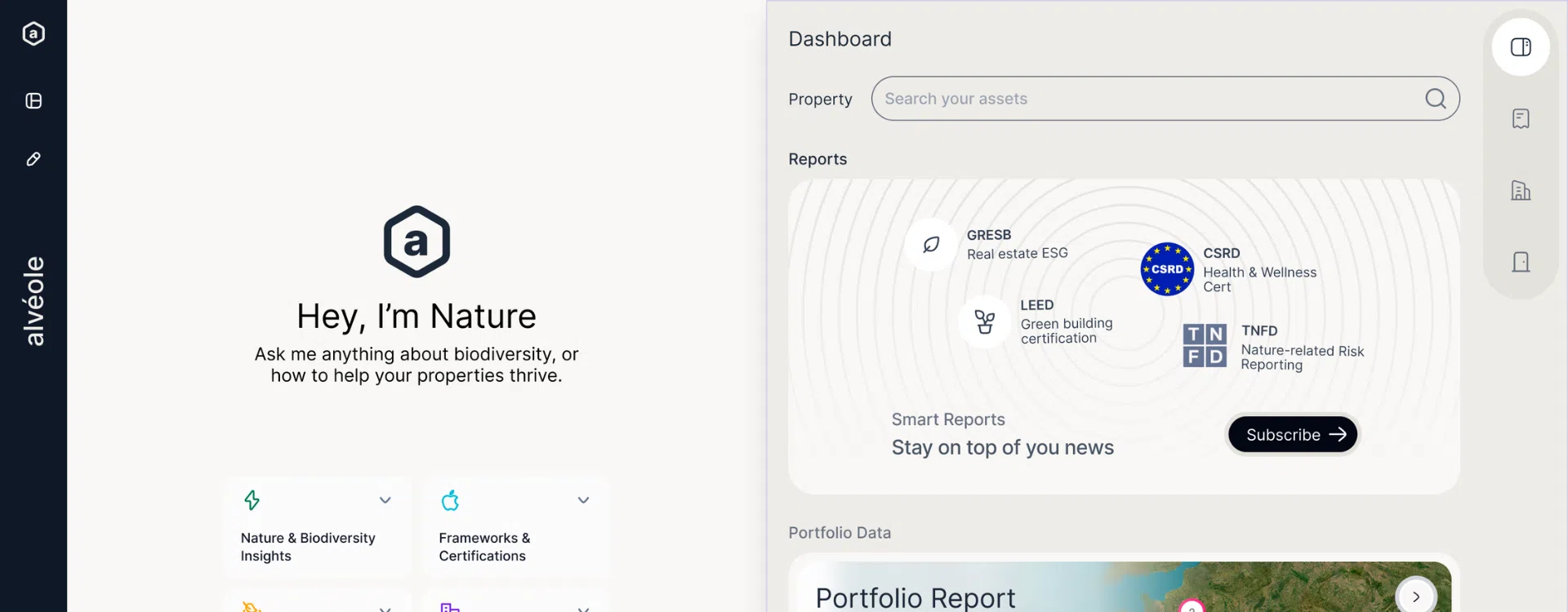
Desktop analysis is the starting point for most portfolios. Using remote sensing data and satellite imagery, we can screen an entire portfolio against a standardized set of KPIs drawn directly from TNFD's real estate guidance. This gives you a picture of where your risk and opportunity concentrations sit, without anyone setting foot on a property. It's fast, scalable, and increasingly the first thing a sophisticated LP will ask you to produce.
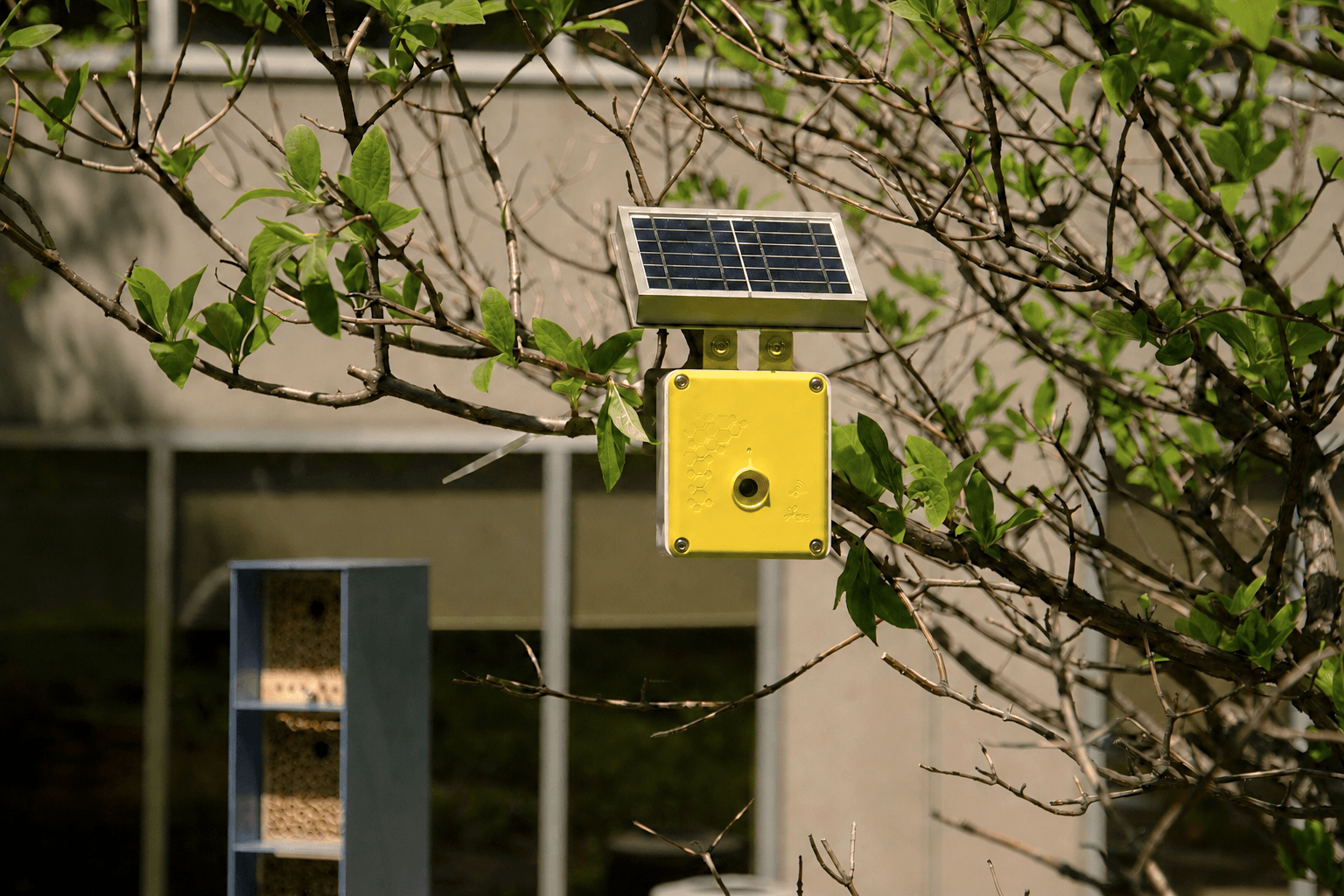
On-site ground-truthing is the next layer. This means sensors: devices that use AI to listen to nature, identifying birds, bats, insects and pollinators by sound. Insects are particularly useful because they're highly sensitive indicators. A pesticide application, a green roof installation, a change in what's planted on site: all of it shows up in insect diversity and abundance data within weeks. This kind of monitoring is how you build a biodiversity baseline, track uplift over time, and demonstrate genuine progress.
Benchmarking and reporting is what ties it together. We're not comparing your building to a rainforest. We're comparing it to comparable assets in the same region, across a database of over 100,000 properties, and identifying where the gaps are large enough to be financially material. That output plugs directly into GRESB's RM-7 framework and TNFD reporting structure.
This doesn't have to cost a fortune. A robust desktop analysis across a large portfolio is more accessible than most teams expect, and on-site sensor programs run at roughly $1,000 per asset per year.
What investors actually want to see
The GRESB RM-7 question is likely to get pointed in the near future, meaning it will carry a score. When that happens, a purely narrative answer won't be enough.
What leading companies are doing today: identifying biodiversity as a material topic at the entity level, establishing one or two KPIs across the four pillars of risks, opportunities, impacts and dependencies, running desktop analysis across the full portfolio, and doing deeper on-site work on a meaningful subset of assets prioritized by where the risk or opportunity is highest.
You don't need sensors on every building. You need a credible, data-informed strategy that shows you've thought about this systematically.
The piece most people are missing
One thing I don't want to lose in the data conversation: nature on a property also works for tenants. We have 26,000 tenants who check in monthly on bee updates through our platform. We ran events last year that engaged close to 400,000 people across different buildings.
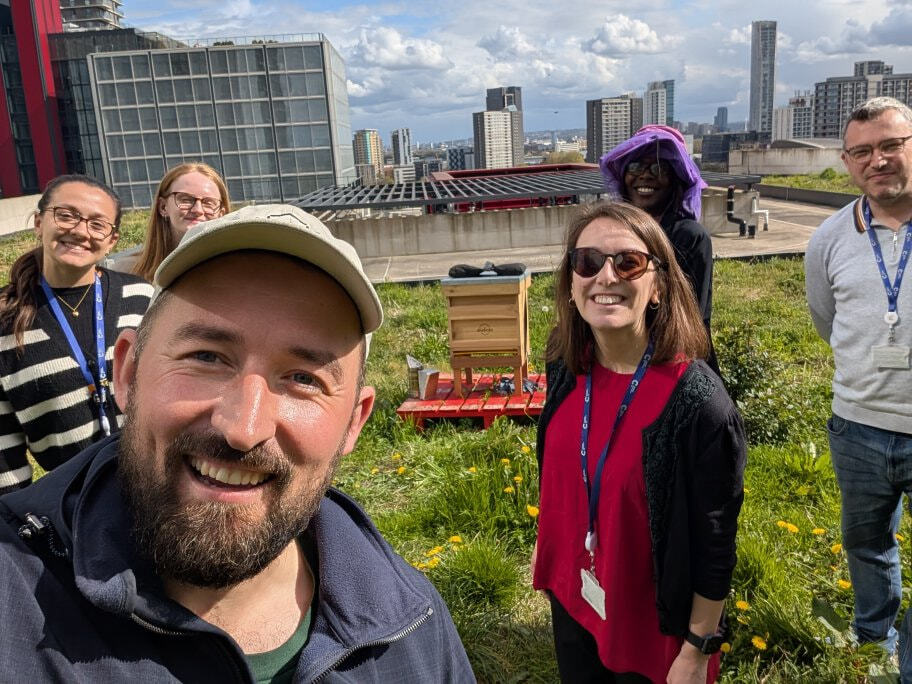
That's not soft. There's a real differentiation story here, one that works equally well in a leasing conversation as in an LP meeting. The data rigor and the human story aren't in tension. Done right, they reinforce each other.
Where to start
If biodiversity has started appearing on your DDQs and you're not sure how to respond, here's my honest advice: don't wait for the frameworks to force you. The companies that are ahead of this got ahead by starting simply. One or two data points across the portfolio, a clear methodology, a documented strategy.
The data is collectible at scale. The frameworks are converging. The investor expectations are only going one direction.
Want to understand where your portfolio stands on biodiversity and how to frame it for your next DDQ? Contact our team for a biodiversity assessment.