

7 surprising facts about bee stings
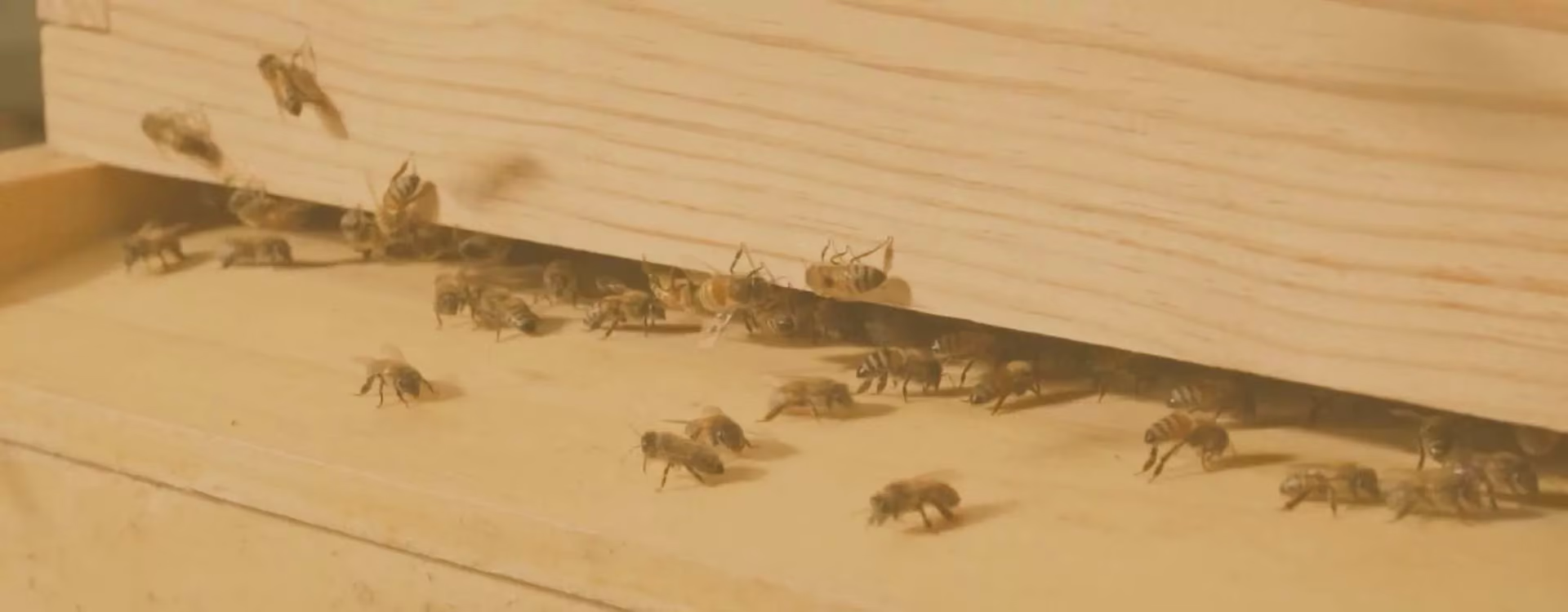
Everybody knows it: bees have stingers and they know how to use them! Naturally, most people ponder bee stings with a mixture of fear and curiosity. In truth, bees are docile and hardworking by nature. Humans and bees can live together side-by-side quite pleasantly.
Here are some interesting facts about bee stings that will probably surprise you.
1. Bees (almost) never sting without a good reason
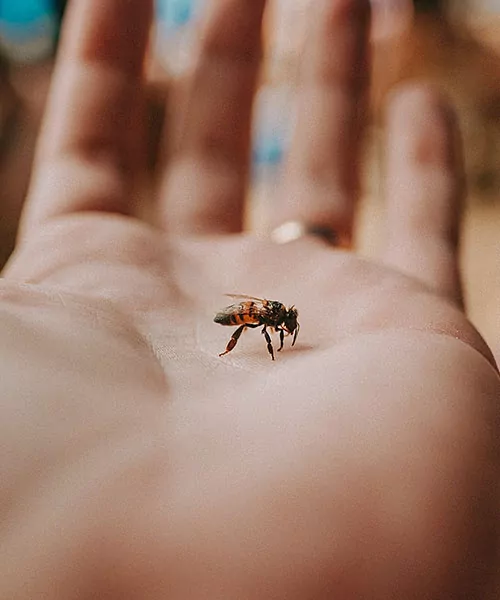
That is to say, they usually only resort to stinging when they feel that their bee hive is being threatened. Stinging insects like bees sting primarily for defense, making it a last resort rather than a first response. This shouldn't come as a big surprise when you consider that, unlike wasps, bees leave their barbed stingers behind after stinging, causing fatal damage to themselves in the process.
READ: Myth busting: are beehives on office buildings dangerous?
2. Certain bees can’t sting at all
Only the worker bees have stingers. Drones, the males who constitute about 10% of the colony's population, simply don't have one. Only female bees can sting, as the bee stinger is a modified ovipositor, a structure used for laying eggs. Bumble bees, for example, can sting multiple times, but even they rarely sting unless provoked.
3. Less than 1% of all people are allergic to bees
In Canada, out of a population of about 35 million people, the average number of deaths caused by severe allergic reactions to bee stings is less than 4 per year. You're more likely to be struck by lightning!
While a mild reaction such as swelling or itching is common, a severe reaction may require emergency medical attention, especially if an allergic person experiences symptoms beyond the sting site.
4. No stinger? Not a bee sting!
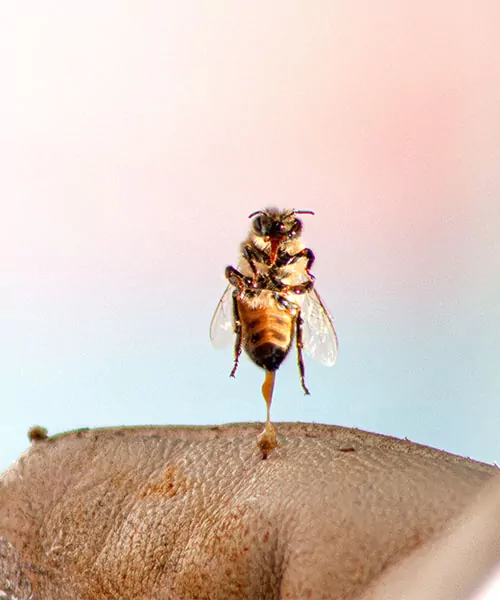
Many people who have suffered painful stings blame bees, yet fail to find a bee stinger in their skin. This is because they were more likely stung by a yellow jacket! Yellow jacket stings, like those of other insects, do not leave a stinger behind. Their sleek, retractable stingers allow for multiple stings.
5. An allergic reaction is a systemic reaction
After a sting, the area affected may swell a little (or a lot!), turn red, or be itchy for a few hours. These are common bee sting symptoms. What isn’t normal is when the body’s allergic response spreads, causing difficulty breathing, dizziness, stomach cramps, or even a drop in blood pressure.
These could signal anaphylactic shock, a life-threatening condition that demands emergency treatment. If you suspect a severe allergic reaction, use an epinephrine auto-injector and get to the emergency room immediately.
6. Never squeeze a stinger
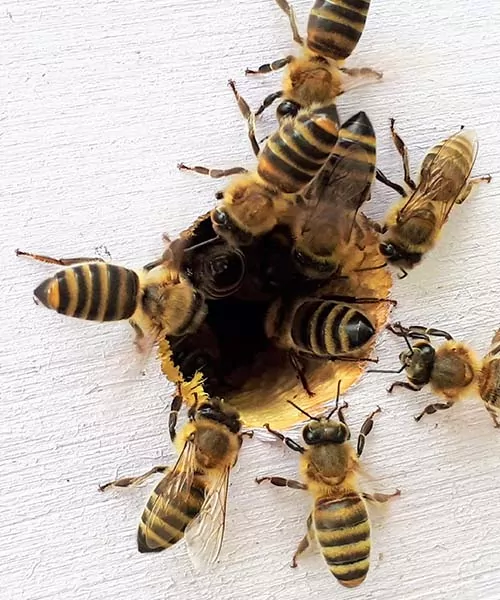
A honey bee sting is still attached to its venom sac, and the muscles continue to contract even after the bee has flown away. Removing the stinger quickly can limit how much bee venom enters the skin. Use a fingernail to scrape it out, never squeeze it, or you risk injecting more venom. Applying a cold compress or hydrocortisone cream can help reduce swelling and burning pain. These steps are considered basic first aid for insect stings.
Unlike wasps, bees die shortly after delivering a sting.
7. Bee venom has medicinal properties
Apitherapy uses bee venom to treat conditions like arthritis and multiple sclerosis. Some believe that multiple bee stings over time may help regulate the immune system, though this approach should only be considered under professional guidance.
Clinical practice does not yet widely support bee venom therapy, but it's a growing area of interest. A bee sting allergy, on the other hand, can be identified through a skin test or blood test by an allergist.

.png)
.jpg)