
How one London office building turned biodiversity into a tenant experience

Empty Rooftop, Disconnected Tenants: The Hospitality Gap in Commercial Real Estate
Phillip Potts didn't want another standard amenity. He wanted Park House, Oxford Street to feel more human, more welcoming, and more connected to nature.
The goal wasn't just tenant programming. It was culture.
Bees offered a way in.
"They are visible. They are unexpected. They spark conversation. And they give people a reason to gather that is not transactional."
Phillip Potts, West End Portfolio Manager, REM Limited
Bringing Nature to the 9-to-5: Beehives, Pollinators & a Living Rooftop Sanctuary
In early 2024, Phillip partnered with Alvéole to install beehives on the Park House rooftop. But the project went well beyond placing hives.
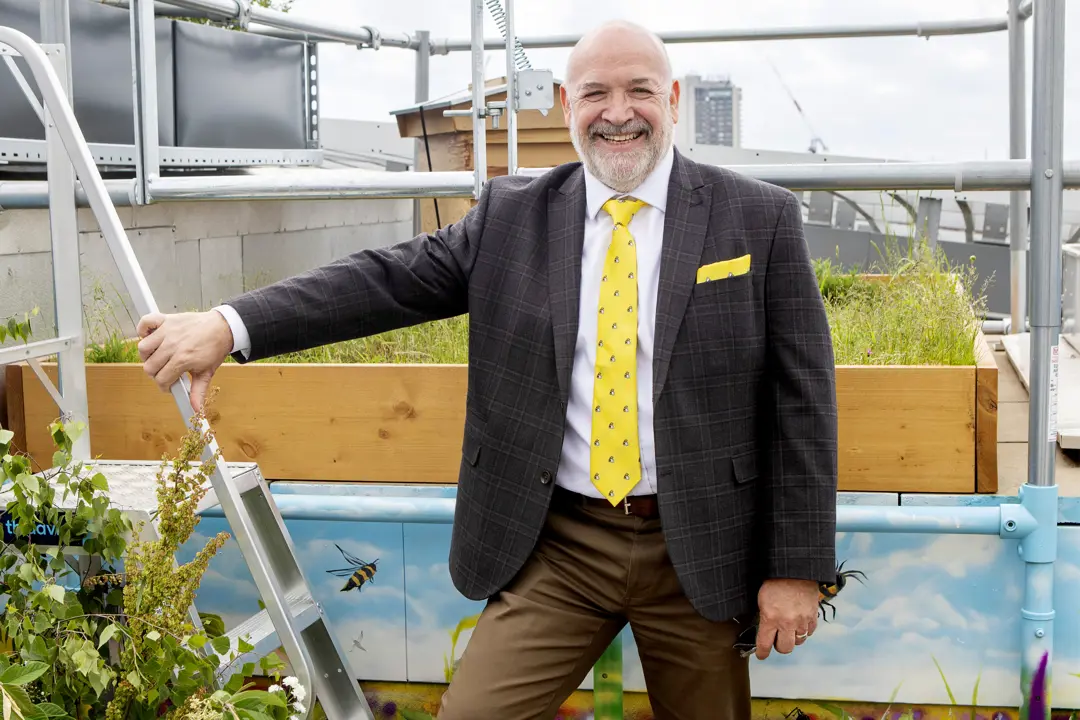
The team repainted the roof lobby, installed safety barriers, planted a wildflower garden for the bees, and commissioned London-based muralist Ayesha Kamarudin to bring colour to an otherwise industrial space.

The official launch was a "Meet the Beekeeper" event in the building reception, with a competition, and jeweller Alex Monroe on-site selling bee-themed pieces.
Around 15,000 bees arrived. A first honey harvest was expected by August.
The REM team didn't outsource the energy. They showed up fully, attending sessions and talking about bees and pollinators with tenants as a natural way to connect.
They joke about being "pet parents." That ownership is real.
A Rooftop That Earns Its Keep: Stronger Tenant Bonds & a Buzzing Community Asset
The program changed how tenants experience the building. It feels intentional, cared for, different from the office next door. Not louder. Just more thoughtful.
What started as hives has grown into a pollinator sanctuary with native planting and habitat zones. Next: a greenhouse to grow flowers and potentially food on-site. Tenants see that progression. Prospects and ownership do too.
The initiative was featured in The Guardian, in a piece about UK employers using beehives to support mental health and connection to nature. That kind of coverage elevates REM as a management partner, not just a building operator.

"We are half-joking about being 'pet parents'... but the truth is that ownership is real, and tenants feel it. We all feel like we are part of something bigger. And this aspect was key in deepening our relationship with tenants."
In competitive office markets like London, amenities alone don't differentiate. Experience does.