
How asset managers improve tenant experience when property teams are overloaded
Property managers are drowning. In the last five years, the number of buildings assigned to a single PM has spiked. Their days are consumed by the "big three": rent collection, maintenance tickets, and vendor contracts.
When an asset manager drops a new "tenant experience" initiative on their desk, the PM doesn't see a benefit. They see a pile of extra work.
The inbox graveyard
Most tenant programs fail because of coordination friction. To host one sustainability event, a PM usually has to:
- Source and vet three separate vendors.
- Chase down insurance waivers and COIs.
- Coordinate loading dock access and security.
- Draft, edit, and blast five different tenant emails.
Because the PM is already underwater, the marketing is rushed, attendance stays low, and the asset manager writes the whole project off as a failure. The "sustainability reporting" looks thin because the execution was flawed.
According to research from the National Apartment Association, property management workload has increased significantly without proportional increases in staffing.

The zero-coordination model
To make this work, you have to remove the property management team from the coordination equation entirely.
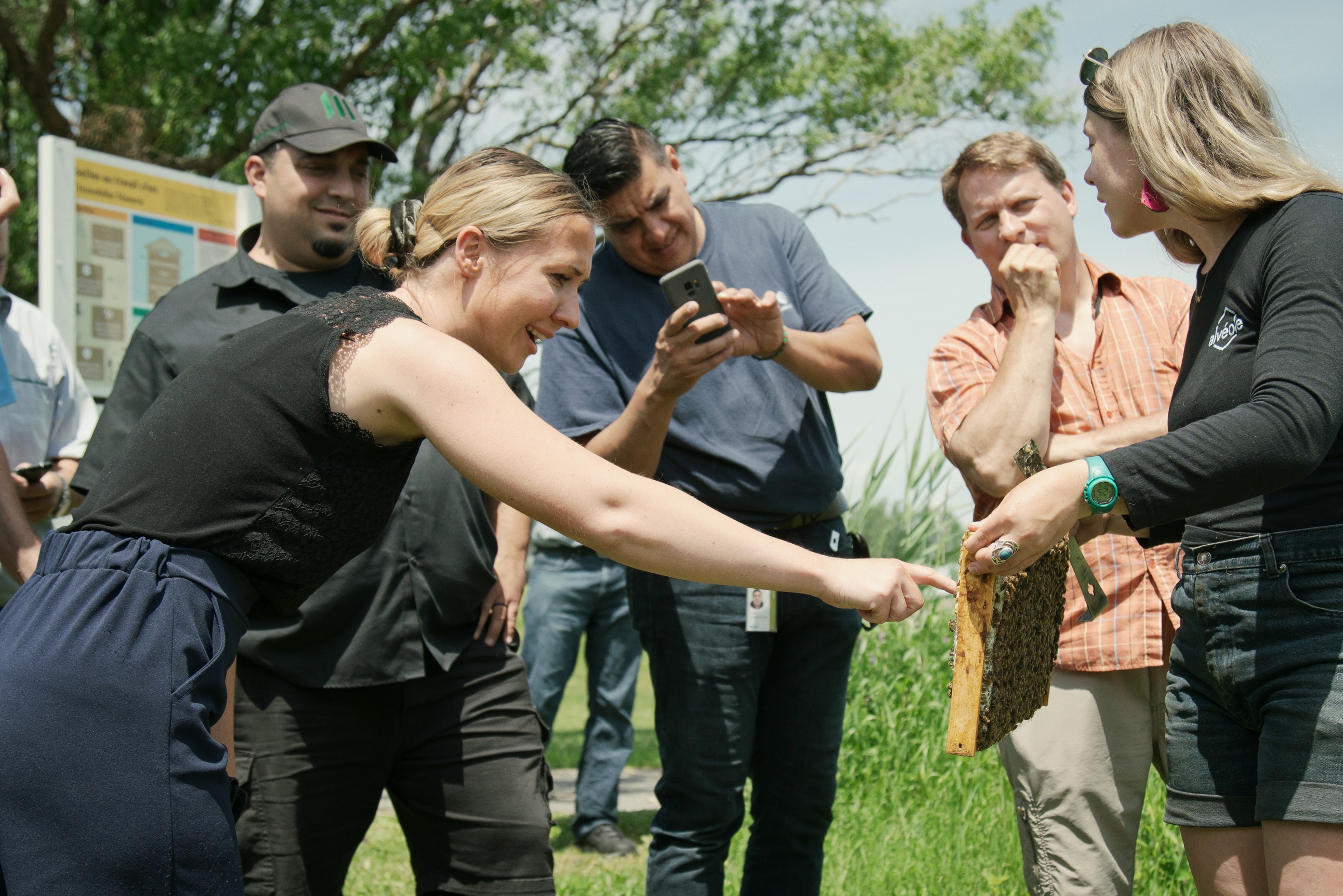
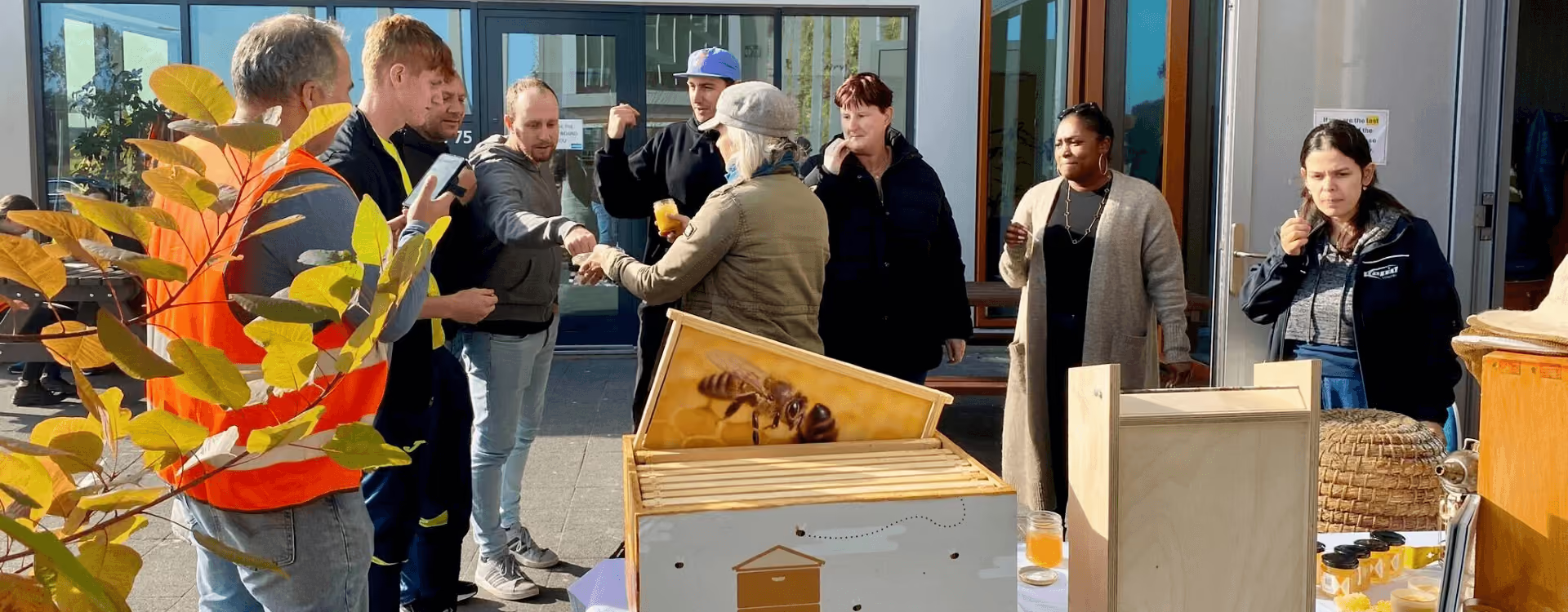
Alveole installs urban beehives and pollinator gardens as turnkey amenities. The installation stays on-site, and tenant events run on a fixed annual schedule. All the logistics, insurance, communications, and nature/biodiversity reporting are handled externally.

Alvéole removes the property team from the logistical loop. The PM does not have to vet vendors, verify insurance, or coordinate building access.
We handle the platform updates and subscriber notifications directly. This ensures the onsite team never has to draft a tenant blast or chase an RSVP list.
The program runs on a fixed, autonomous calendar. This allows the PM to stay focused on core operations like rent collection and maintenance.
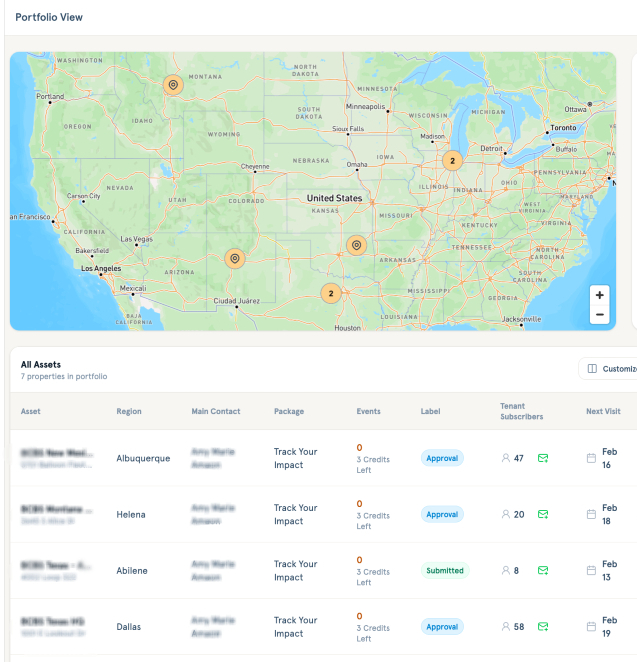
Asset managers receive quarterly engagement reports and automated event summaries instead of chasing staff for updates. You get event summaries and marketing kits ready for your next investor meeting. There is no additional formatting required.
Scalability without the burden
Fully managed service models can reduce PM coordination time by up to 65%. When rolled out across 15 office buildings, each site receives the same quality of programming and reporting without adding operational strain.
Because coordination is centralized, the amenity becomes structured and repeatable across the portfolio. Asset managers gain consistent engagement metrics and sustainability data from every property, while on-site teams remain focused on running the building.