
How to differentiate your asset when every building looks the same
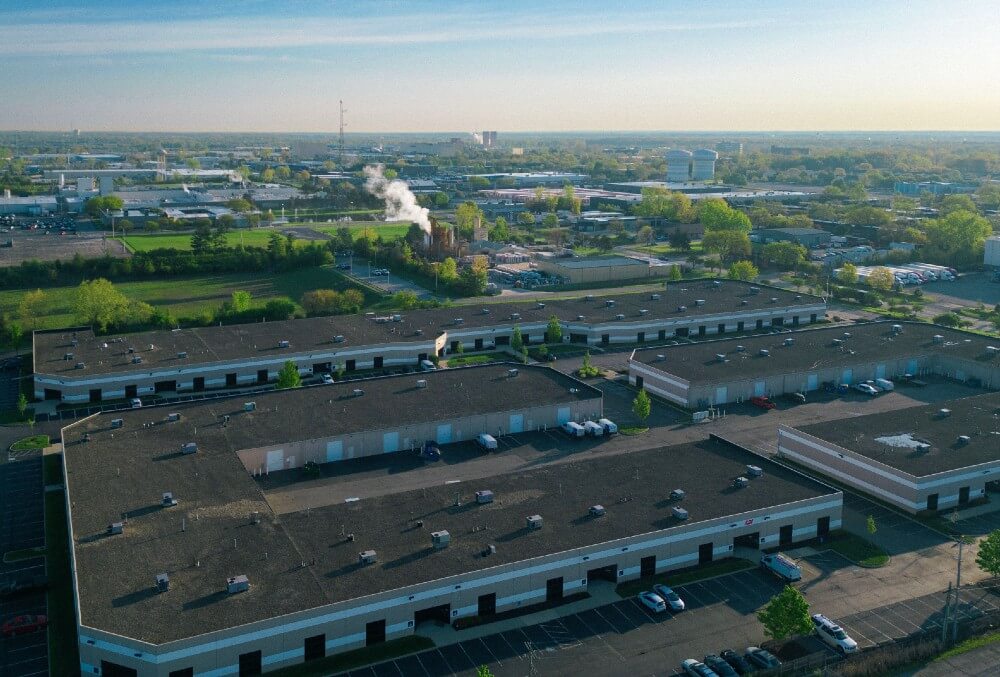
Asset managers are facing a frustrating reality: when every Class A building offers the same "premium" amenities, differentiation just becomes a race to the bottom on price. If a tenant can’t see the unique value in your physical asset, you can’t justify the premium rent.
The commodity problem
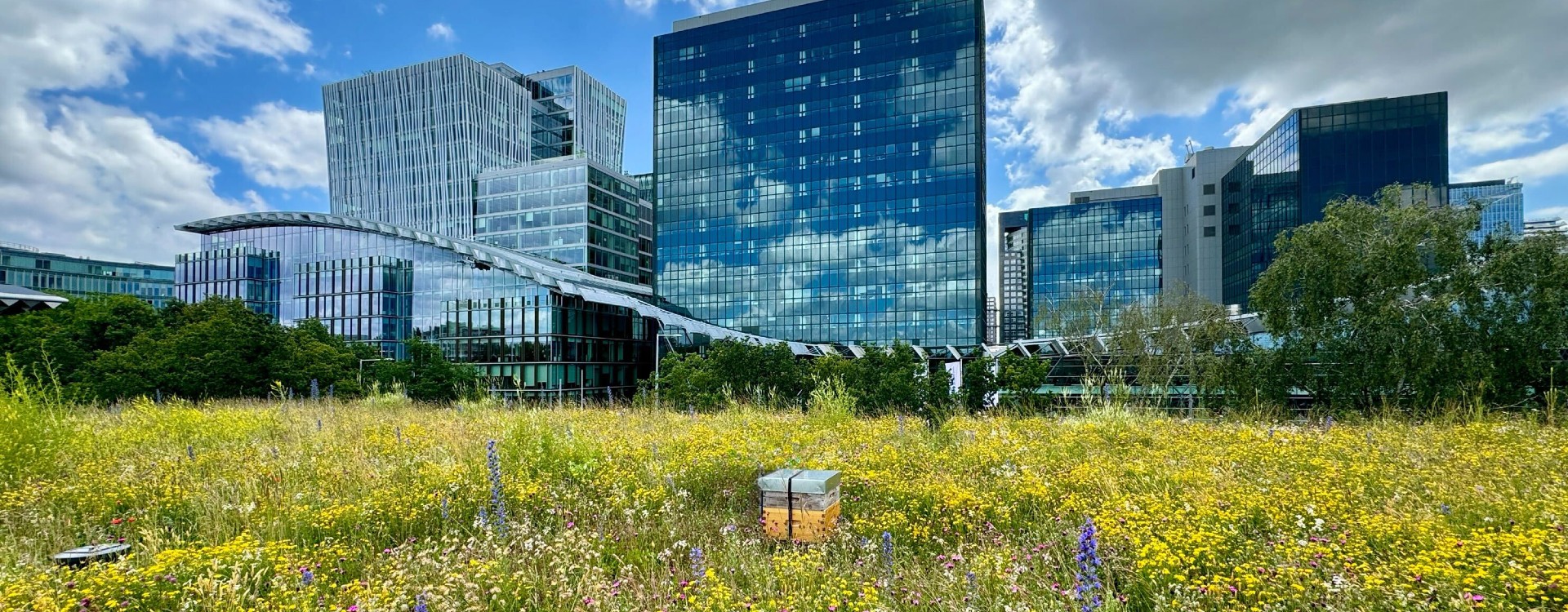
Walk into any prime office space today and you’ll find the same baseline: a fitness center, a conference room, and a rooftop terrace. CBRE research confirms this: standardization is the new norm.
Imagine a tenant touring three buildings in a single afternoon. By the third lobby, the marble and the gym equipment all start to look identical. Your leasing agent is left with no "hook" for the final decision meeting. This isn't just a branding issue; it's a financial one.
JLL data shows properties with diverse, unique amenity programs generate 12% higher demand. The fix isn't just adding more stuff; it’s adding the right stuff that actually drives leasing velocity.

What actually works
The "checkbox" approach to amenities is failing. A basic gym barely moves the needle on rent premiums, but full-service facilities with actual programming command five times that advantage. Quality beats quantity every time.
This is where nature-based programming comes in. Biophilic elements aren't just for aesthetics; they deliver 6% higher productivity and a 15% jump in wellbeing scores. For an asset manager, that’s not just "wellness", it’s occupancy protection.
Giving the leasing team a win
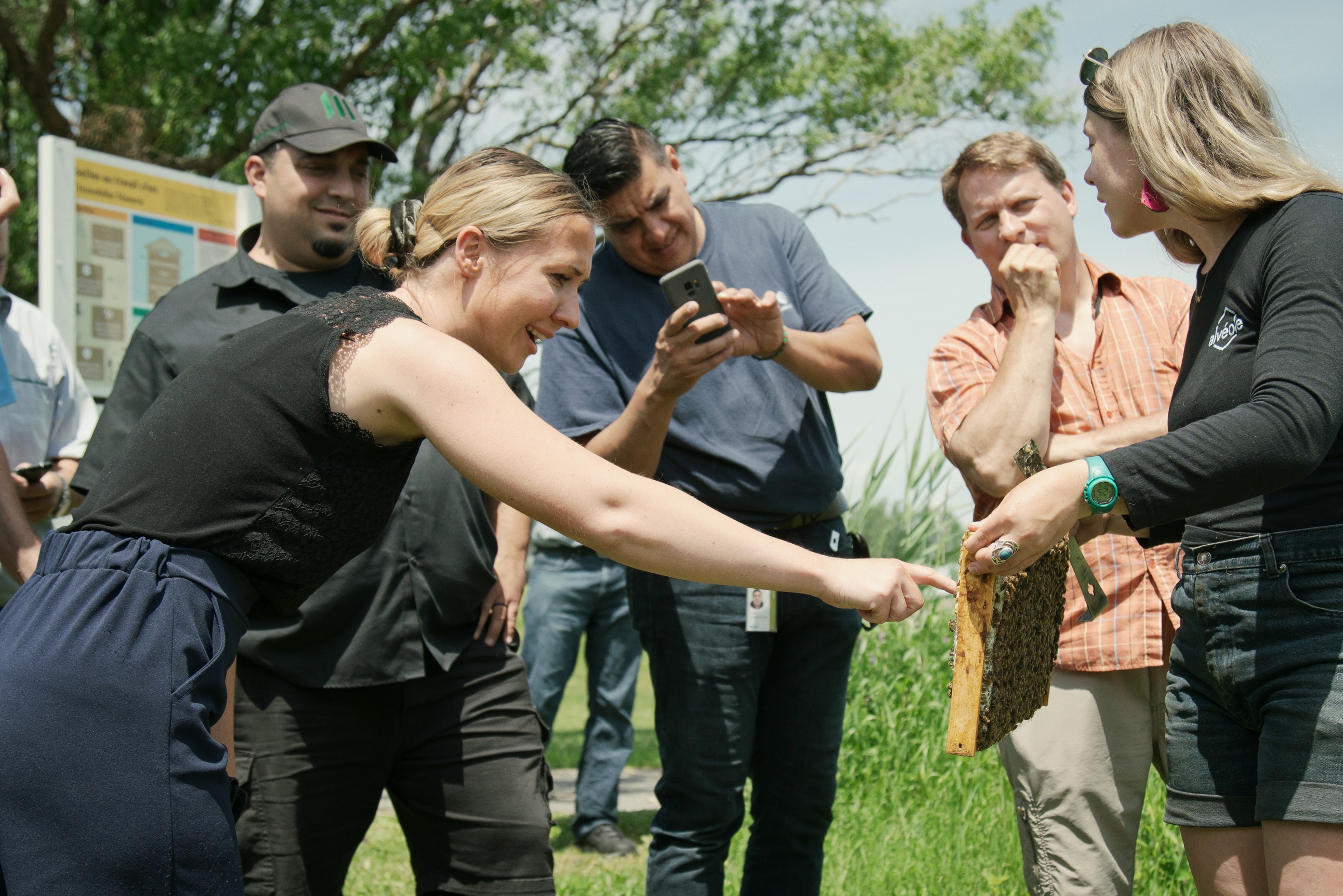
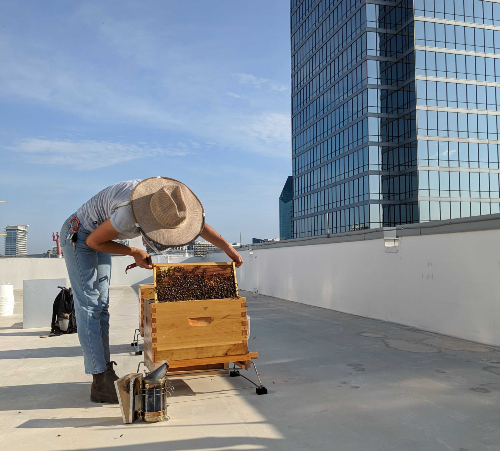
The best programs give your team concrete proof points during a tour. An urban beehive or a pollinator habitat is a "living" installation. Unlike a silent gym, it’s an active program that prospects actually remember.
It gives the team something physical to work with: onsite signage, branded honey jars, and subscriber reports that show tenant participation before a lease is even signed. It’s the difference between claiming you care about sustainability and showing a jar of honey produced on the roof.

Portfolio-ready implementation
This is where Alvéole fits in. We don't view beehives as a "perk" or an event, they are a strategic tool for portfolio-wide engagement.
The beauty is the scale. You can implement this across a portfolio without giving more work on your property management teams. You get the attendance metrics and participation data you need for investor reporting and sustainability disclosures, while your property managers stay focused on operations.
At the end of the day, the buildings that command the highest premiums aren't the ones with the most square footage of gym space. They are the ones where tenants feel connected to the space. If you want to be the preferred choice for the modern tenant, you have to give them something they can’t find in the building next door.