


The importance of bees
All bee species rely on nearby flowers for food. By visiting and pollinating these flowers, they play an essential role in the reproduction of nearly 90% of our planet’s flowering plants, including many food crops.
The honey bee
Honey bees are just one of many incredible pollinators. They're a social species with a complex colony structure, responsible for pollinating approximately one-third of everything we eat. Without them, our diets would look very different.
Are honey bees dangerous?
Unless they sense a threat, honey bees have no motivation to sting. In fact, they have every reason not to. Once a honey bee stings, it loses its stinger, detaches part of its abdomen, and dies shortly after.
How is honey made?
Bees collect nectar from plants and flowers and bring it back to the hive, where they add enzymes that break down the sugars. They store this transformed nectar in sealed honeycombs, where it matures into honey. One Alvéole hive produces an average of 15 kg (30 lb) of honey per year.
Are honey bees dangerous?
Unless they sense a threat, honey bees have no motivation to sting. In fact, they have every reason not to. Once a honey bee stings, it loses its stinger, detaches part of its abdomen, and dies shortly after.
How is honey made?
Bees collect nectar from plants and flowers and bring it back to the hive, where they add enzymes that break down the sugars. They store this transformed nectar in sealed honeycombs, where it matures into honey. One Alvéole hive produces an average of 15 kg (30 lb) of honey per year.
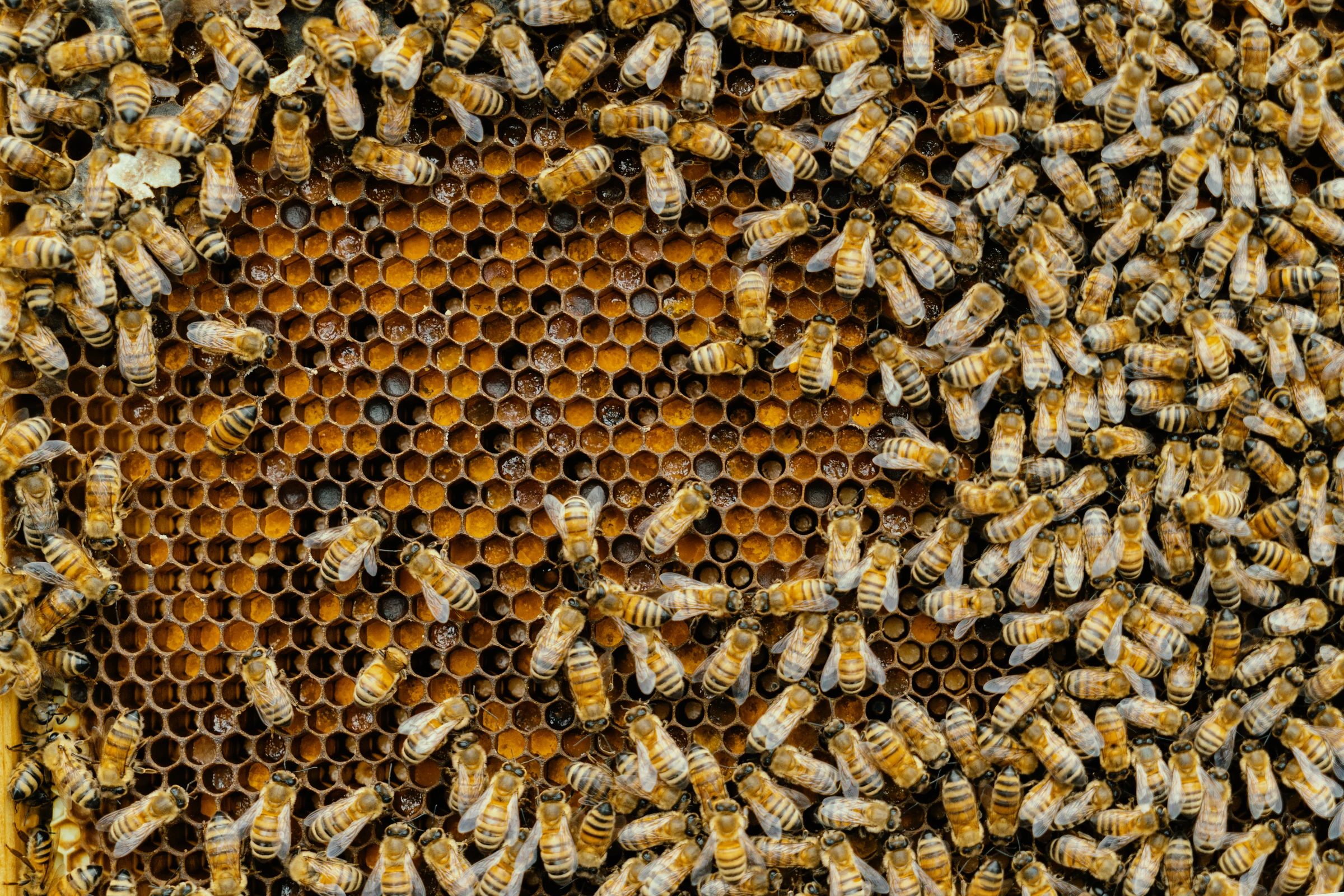
What's in a beehive?
At the height of summer, each hive contains up to 50,000 bees. Wooden beehive “boxes” are added to the hive as the colony grows.
Worker bees
Approximately 90% of the bees in a hive are female. Over the course of their short lives - just 30 to 45 days - they stay hard at work. They build the hive's wax honeycombs, gather nectar, and transform it into honey.

Drones
Approximately 10% of the bees in a hive are male. On average, their lifespan variesx from 1 to 2 months. Drones don't have stingers. Instead, they have a reproductive organ, and their main role is to fertilize a virgin queen from a neighboring hive.

Queen
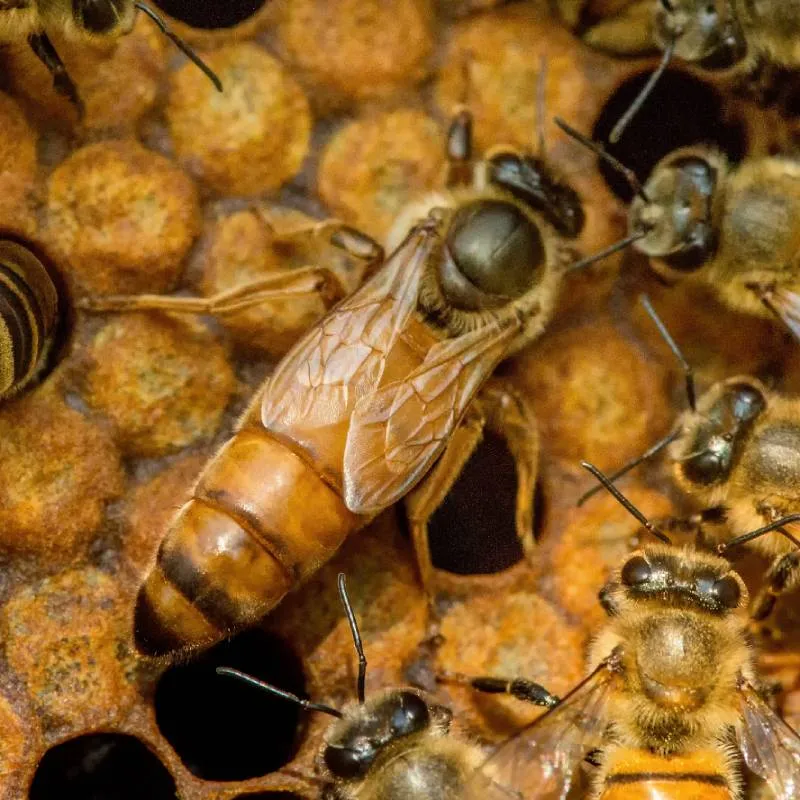
Her Majesty lives anywhere from 3 to 5 years and can lay up to 2,000 eggs per day. She produces odors called pheromones that make bees behave in specific ways.
The wild bee
Wild bees are undomesticated bee species that often live alone rather than in colonies. They nest in the ground or in cavities like hollow logs or plant stems, or the hollow reeds used in Alvéole’s BeeHomes.

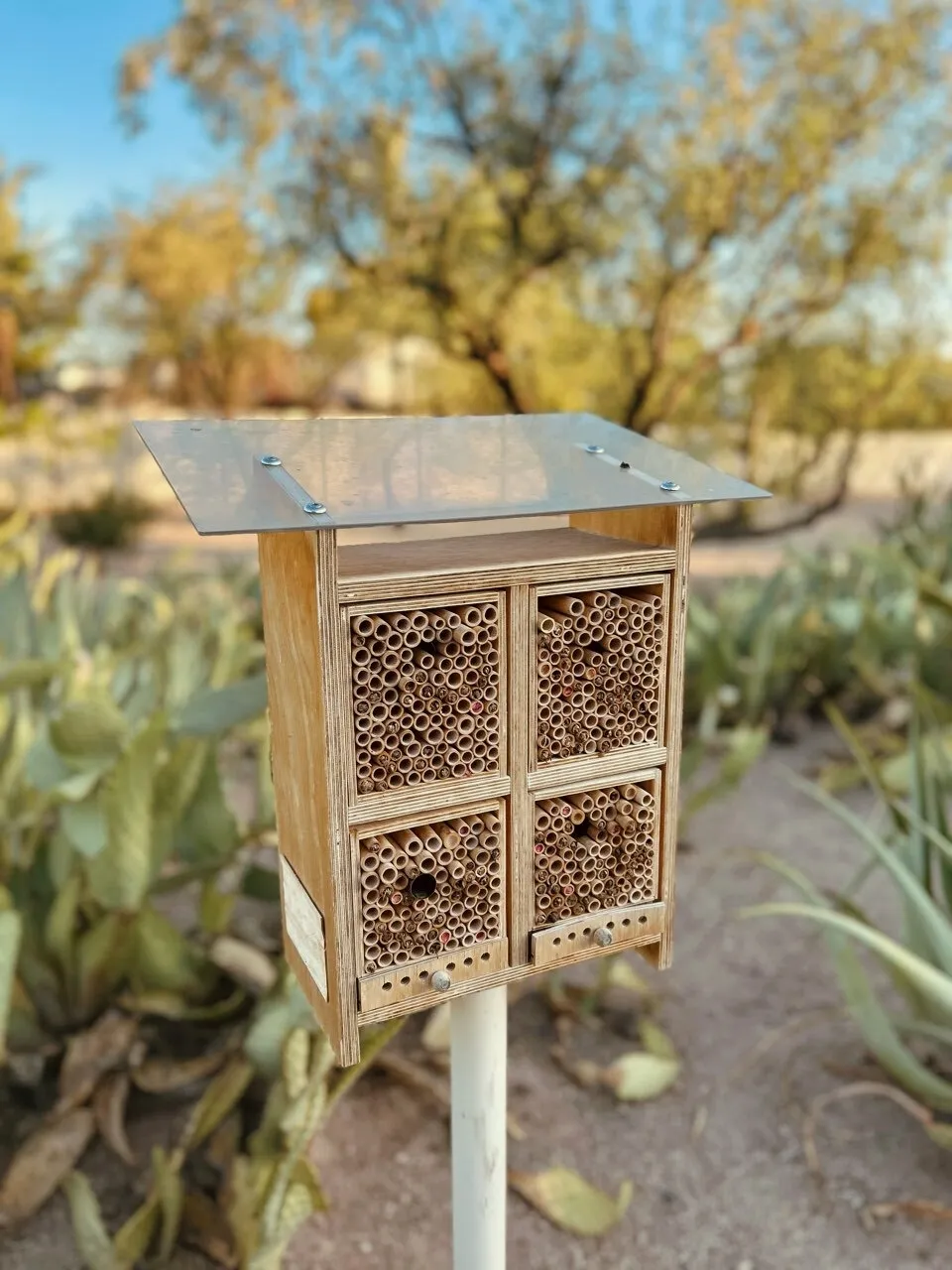
What is a BeeHome?
BeeHomes are structures filled with small tubes where solitary wild bees can nest and lay their eggs. Unlike honey bees, which live in colonies, wild bees nest alone in the ground or in hollow cavities.
The tubes in a BeeHome bring many nesting spaces together in one spot, making it easy to observe nesting activity up close.
The tubes in a BeeHome bring many nesting spaces together in one spot, making it easy to observe nesting activity up close.
What bees can you find in a BeeHome?
Two species of native wild bees call the BeeHome home: mason bees in spring, leafcutter bees in summer.
Mason bees
Expert pollinators that use mud to seal their nests, functioning like tiny bricklayers.
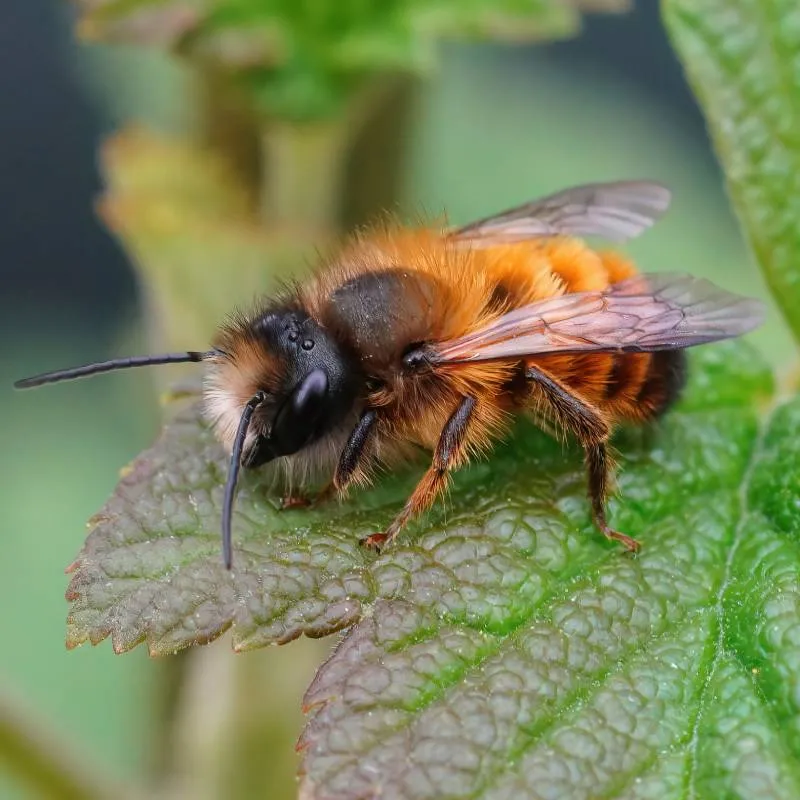
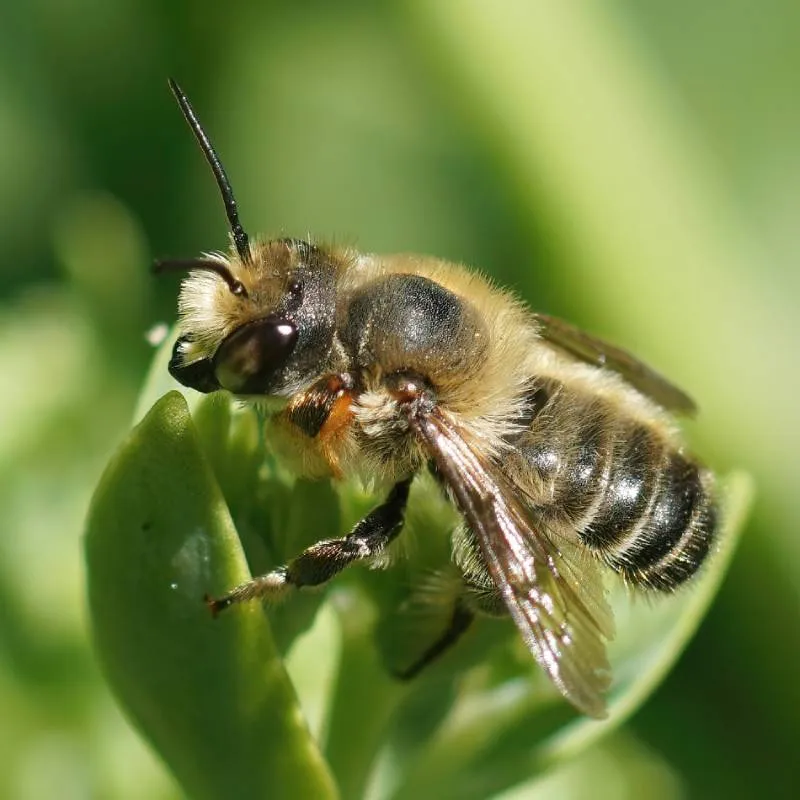
Leafcutter bees
Cut perfect circles from leaves to create cozy nests for their young.
How can you help wild bee populations?
Plant native flowers! Wild bees thrive on blooms they've evolved alongside. Find out which species grow best in your area to create a habitat that supports them year-round.
Trusted by over 2,200+ properties