
How to lower vacancy using amenities and recurring experiences

The narrative in commercial real estate has been dominated by challenges, including rising vacancy rates and downward pressure on net effective rents. In this climate, the most resilient office assets are not necessarily the newest, but the "stickiest" - those that tenants don't want to leave.
For asset managers, that reality shifts the priority from chasing new leases to reducing avoidable churn. This guide outlines why a focused amenity and retention strategy isn’t a “nice to have,” but a practical lever for protecting asset value.
The true cost of vacancy
Tenant turnover is an obvious expense, but its real impact is often underestimated. Beyond leasing commissions, tenant improvement allowances, and marketing costs, vacancy quietly erodes income month after month.
Every empty space reduces Net Operating Income (NOI), and in a cap-rate-driven valuation model, that reduction is magnified at the asset level. Retention isn’t just an operational concern...it’s a direct contributor to long-term value.
The financial case: retention vs. replacement
When viewed side by side, the economics are straightforward. Turnover costs are large, lumpy, and unpredictable. Retention investments, by contrast, tend to be smaller and easier to plan for.
Consider a simplified comparison for a typical tenant space:
Cost DriverTenant TurnoverAmenity & experiences
packageDirect CostsLeasing Commissions, TI Allowances, MarketingAnnual FeeLost Rent3 to 6 months or moreNoneFinancial VolatilityHigh & UnpredictableLow & PredictableEstimated Impact$150,000+~$9,000
Avoiding a single unplanned vacancy can easily justify a full year of a retention focused experience.
From "flight to quality" to "flight to experience"
Early in the cycle, flight to quality meant newer buildings. That definition has shifted. Tenants now evaluate offices based on how well they support culture, hiring, and retention.
The office is judged by daily experience, not just age or finishes. Amenities that contribute to how people actually use the space make a building harder to replace and easier to renew.
Why nature based programming works
Nature based amenities stand out because they are tangible and difficult to replicate.
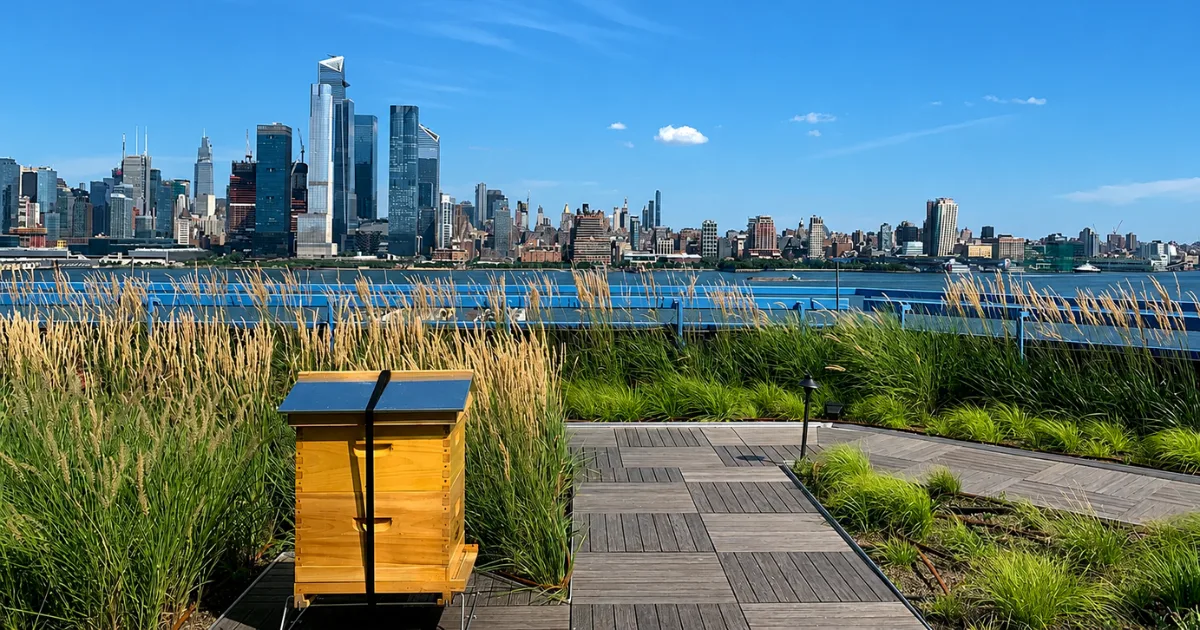
It's visible and differentiated. A beehive on a roof is a tangible asset. In a market saturated with identical fitness rooms, it provides a unique story for your leasing team. You can learn more about Alvéole's urban beekeeping services to see how.
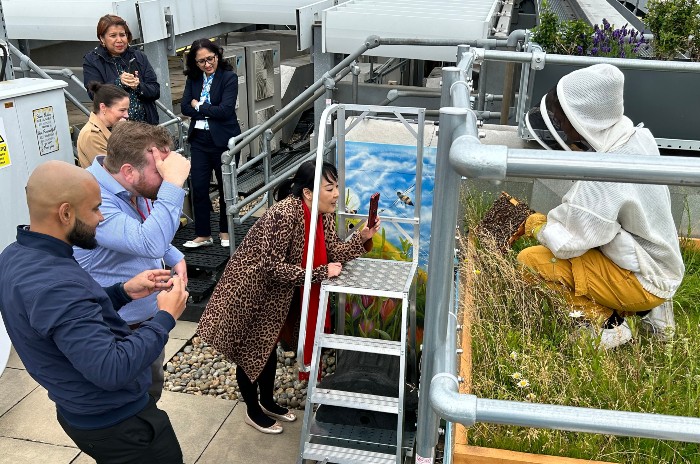
It drives onsite presence and experiences. Workshops, tastings, and onsite activities cannot be done remotely. That matters when tenants are deciding whether the office is worth using.
It's shareable and reportable. Data, sustainability metrics, and engagement reports give tenants something practical. As ESG and disclosure requirements expand, this kind of building level information has real value. Read about practical examples here.
Serving tenants and investors
Retention amenities and experiences must work for both audiences.
For your tenants
Shared programming creates moments of connection and signals that the building supports employee well being. That experience influences renewal decisions more than another piece of equipment ever will. It's part of the "healthy building" movement.
For your investors
Retention initiatives show active management. They indicate that renewal risk is being addressed early, with capital deployed to stabilize income rather than respond to vacancy later.
Keeping operations simple
No amenity succeeds if it adds work for property teams. Execution matters. When planning, delivery, and programming are handled end to end, the amenity functions as a service rather than an operational burden. You can see a breakdown of how our turnkey service works for a clear picture of the process.
Conclusion
In a constrained leasing market, retention is one of the few variables asset managers can control. Treating tenant programming as a strategic investment, rather than an expense, helps stabilize NOI, support valuation, and improve renewal outcomes.
The most effective way to lower vacancy is not finding the next tenant. It is giving the current ones a reason to stay.