

Give your Vancouver buildings an engagement program tenants talk about.




















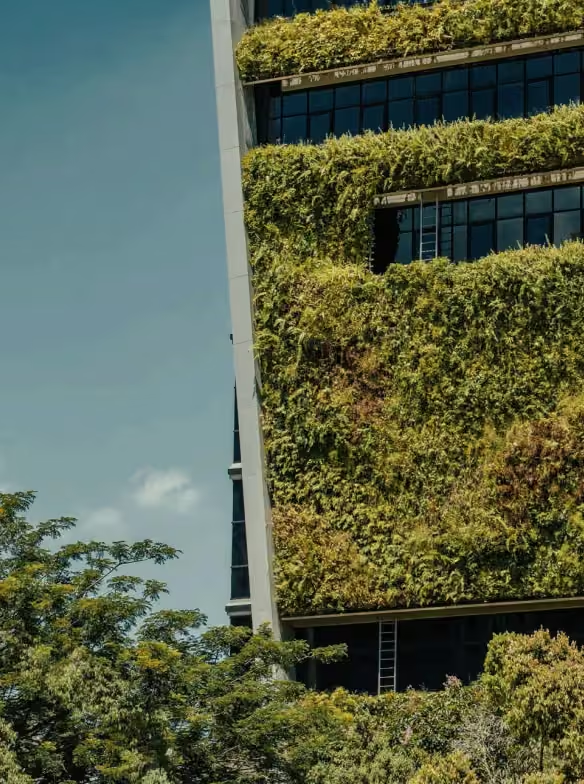

Why urban beekeeping works for Vancouver buildings
Vancouver is one of Canada's best-suited cities for urban beekeeping. Its mild coastal climate gives hives one of the longest foraging windows in the country, and a tree canopy the city is growing toward 30% by 2050 keeps green space within reach almost everywhere. Hives here have real forage within range.
Local policy backs it too. Vancouver was one of the first Canadian cities to formally welcome urban beekeeping, and today it permits hives across the city. And the city's Greenest City and Climate Emergency Action Plan keeps tree canopy, biodiversity, and healthy ecosystems on the agenda.
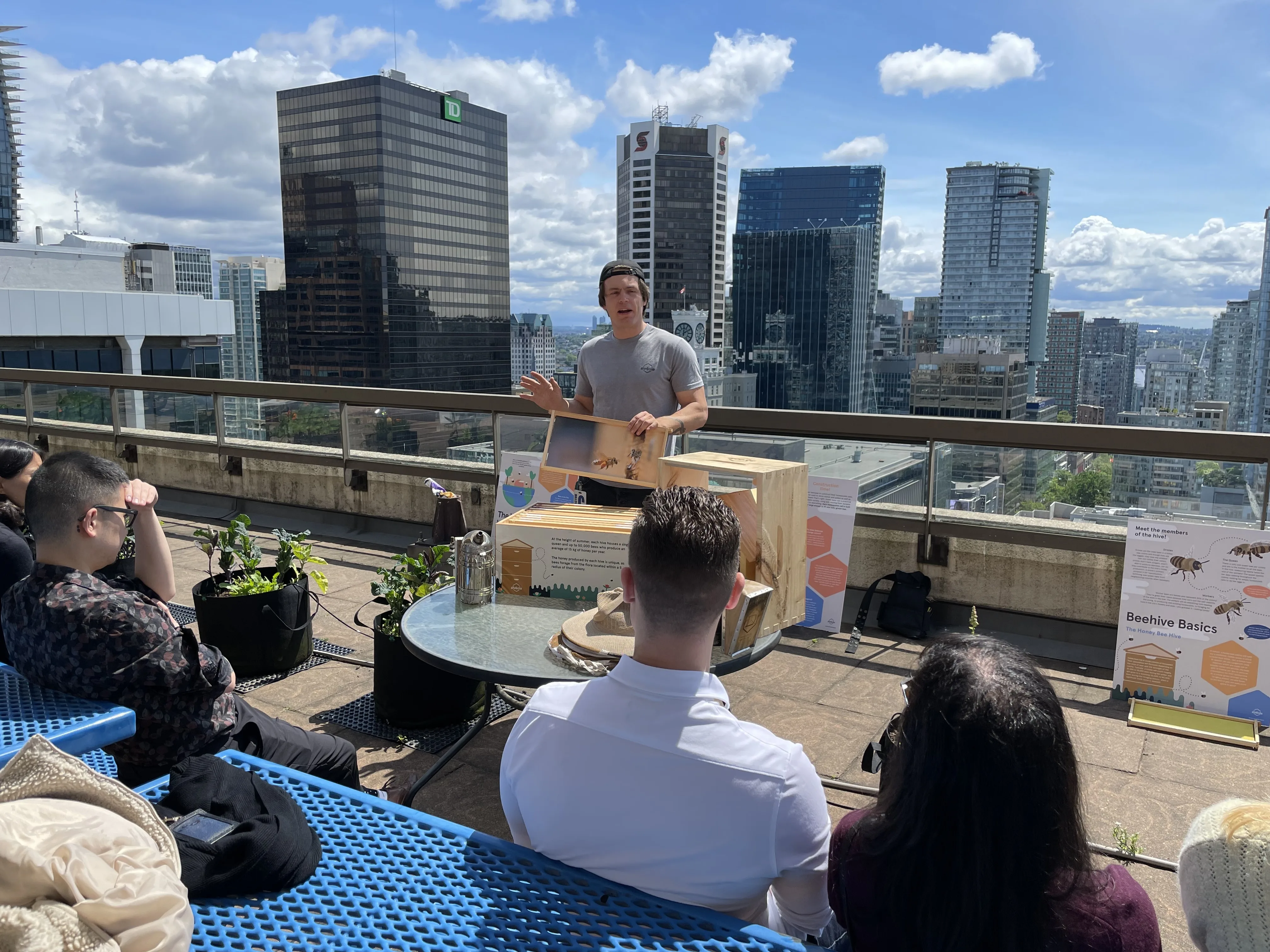
How an urban beekeeping program works in Vancouver

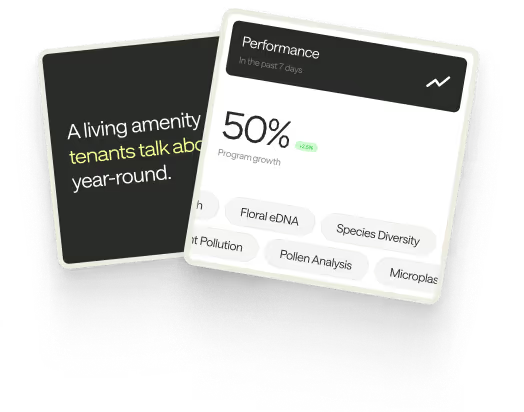
A living amenity tenants actually use

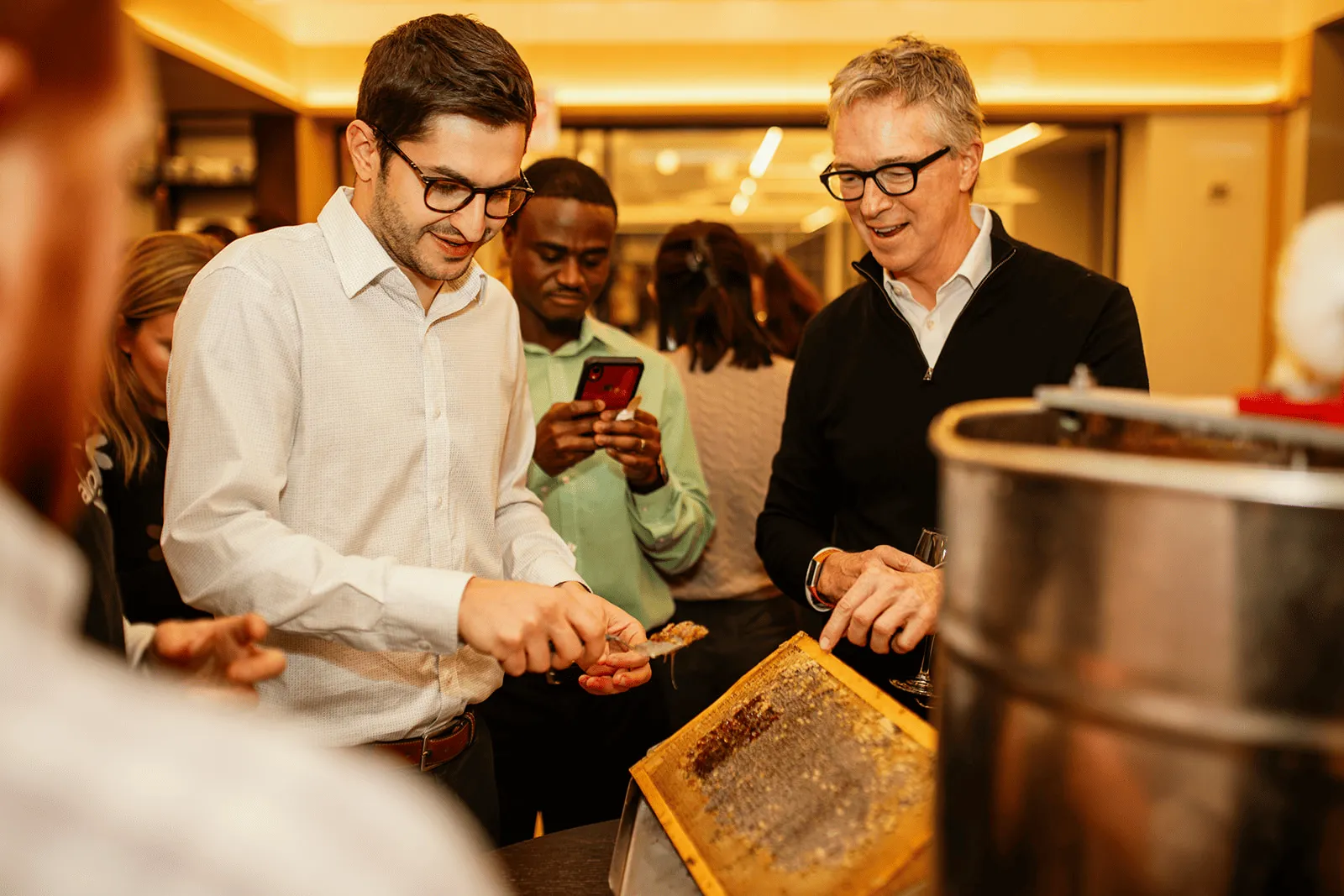

Year-round events

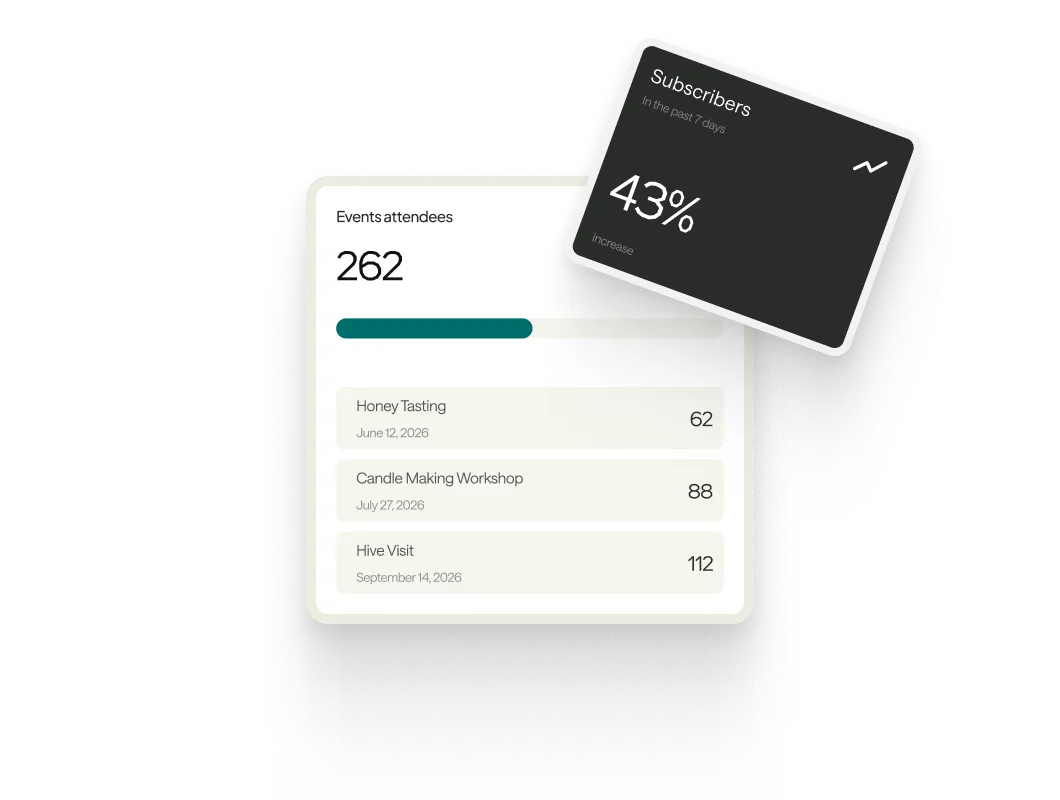
Participation data that compounds
Meet the neighborhood bees

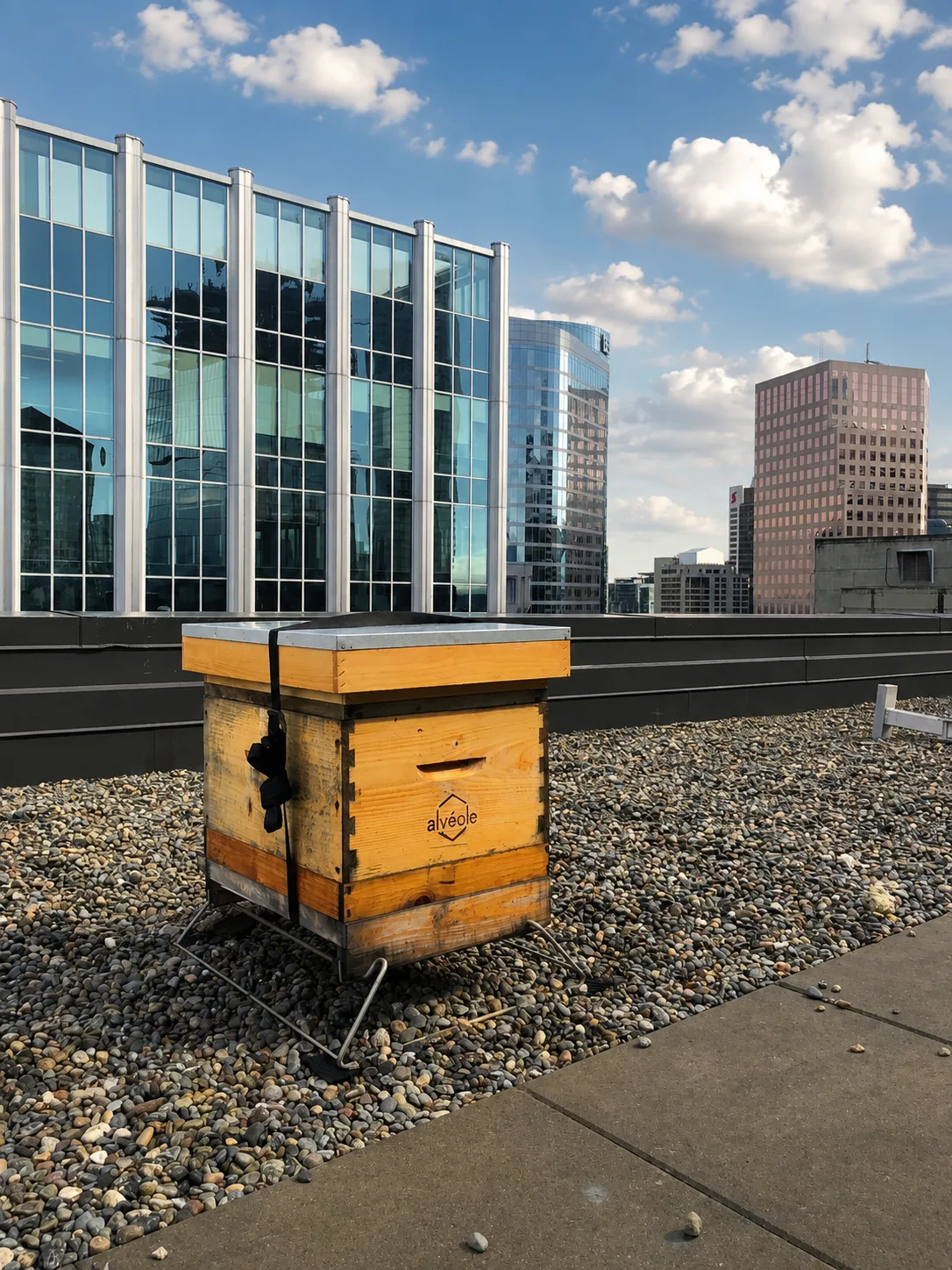
From the Burrard and Georgia corridor downtown to Burnaby, bees have moved into some of the city's most iconic addresses. The Marine Building, Bentall Centre, Pacific Centre, The West Georgia, TELUS Garden, The Amazing Brentwood, and Metropolis at Metrotown all run rooftop hives with Alvéole. Ten landmark buildings, one program.


Turning your hives into insight

Data collection and instant reporting
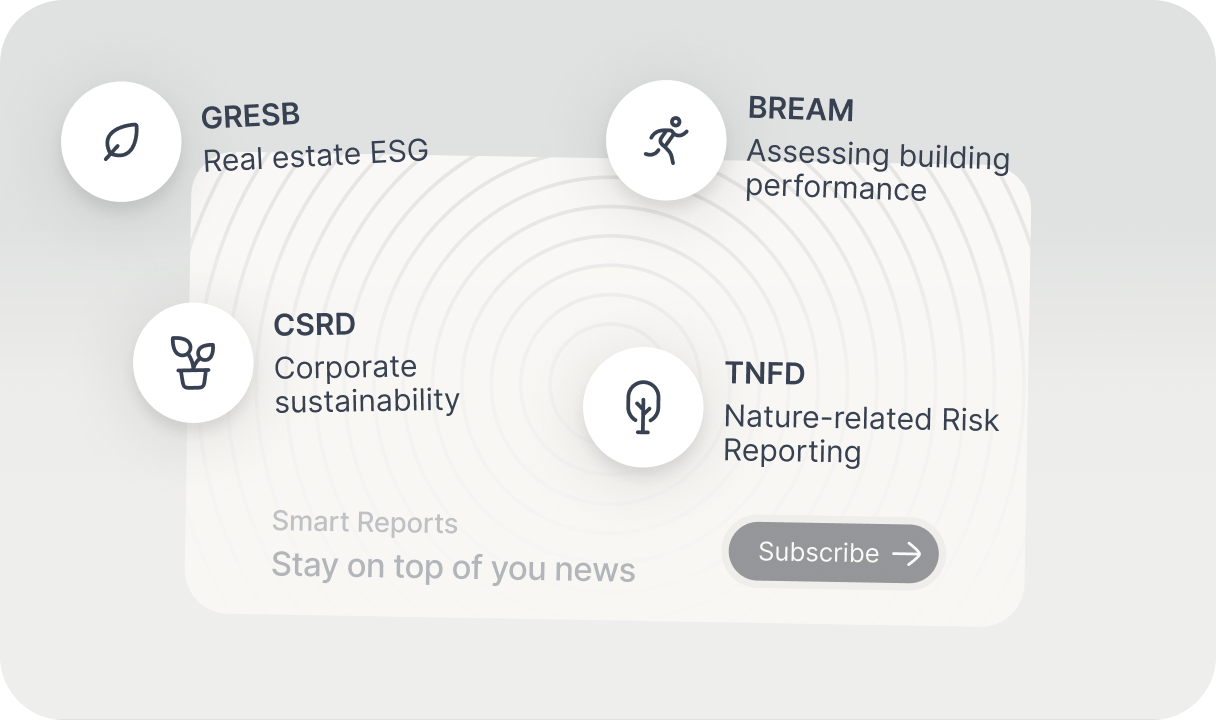
Remote sensing establishes baseline indicators across your portfolio, while onsite monitoring (bioacoustics and eDNA) captures species presence and habitat quality at each property. That data feeds directly into TNFD, CSRD, and GRESB reports, generated in minutes from pre-filled templates, with audit trails showing exactly where each number comes from.


Portfolio dashboard and AI agent
See biodiversity trends across all assets, benchmark each property against portfolio average, and export site-level data for individual disclosures. Ask the AI agent questions about TNFD requirements, GRESB scoring, or site-specific risks, and get answers that reference your actual portfolio data and current framework standards.
We service hives across Vancouver and the Greater Vancouver area, including:
and more...
Alvéole in the media
FAQ
Vancouver permits urban honey beekeeping across the city, subject to city siting guidelines. On top of that, anyone keeping bees in BC must register annually with the provincial Ministry of Agriculture, which is free and helps monitor colony health. Alvéole handles registration, siting, and compliance for every install.
Yes. Alvéole keeps Italian honey bees, a breed known for its docility. Honey bees are not aggressive away from the hive and rarely sting unless it's disturbed. Our beekeepers site hives away from high-traffic rooftop areas and manage all hive access, so tenants interact with the program through workshops and events, not the hive directly.
A rooftop program supports the goals in Vancouver's Greenest City and Climate Emergency Action Plan, from biodiversity to healthy urban ecosystems. Each honeybee hive is paired with wild bee habitat to support native pollinators, and Alvéole's biodiversity monitoring turns your building's nature data into reporting you can use for GRESB, BOMA BEST, LEED, WELL, and other certifications.
Vancouver's mild coastal climate gives one of the longest urban foraging windows in Canada, roughly March through September, from early cherry blossoms to summer blackberry and clover. That window is also when most tenant-facing events land, hive tours, harvest days, and workshops, so the program's busiest stretch lines up with the season buildings actually want tenant programming.
Urban beekeeping has grown fast in the Lower Mainland over the past decade. Alvéole sites hives based on local forage density rather than adding to already-busy blocks, and pairs each honeybee hive with wild bee habitat to support native pollinators too, not just honeybees.
They stay in the hive. Honey bees don't hibernate or migrate. As temperatures drop, the colony clusters around the queen and lives off the honey it stored through summer, though Vancouver's mild winters mean bees still get the occasional flight day. Before winter, Alvéole winterizes each hive and confirms the colony has enough stores to reach spring. Tenant programming keeps running through the wet season with indoor workshops, and hands-on hive visits pick back up once the colony is active again.