
Give your buildings across the Ruhr an engagement program tenants talk about.

















Why urban beekeeping works for Ruhr buildings
The DGNB system for biodiversity-promoting outdoor spaces certifies owners and developers who green their grounds, façades, and rooftops to support species and ecosystem diversity.
The Ruhr has built green infrastructure into its post-industrial future, from the 800 km² Emscher Landscape Park to a regional strategy aiming for a more biodiverse, climate-adapted region. A rooftop hive program is a direct way for your building to take part: it adds pollinator habitat, generates biodiversity data you can report, and gives tenants a program they actually engage with.
How an urban beekeeping program works in the Ruhr
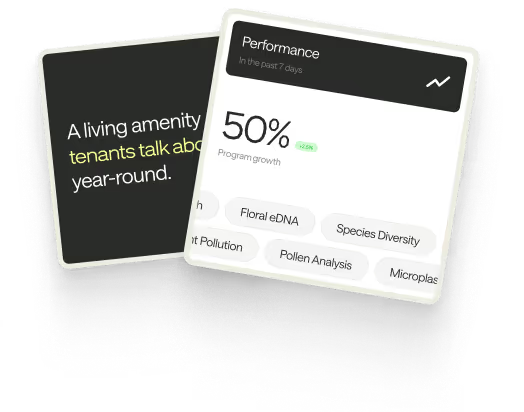
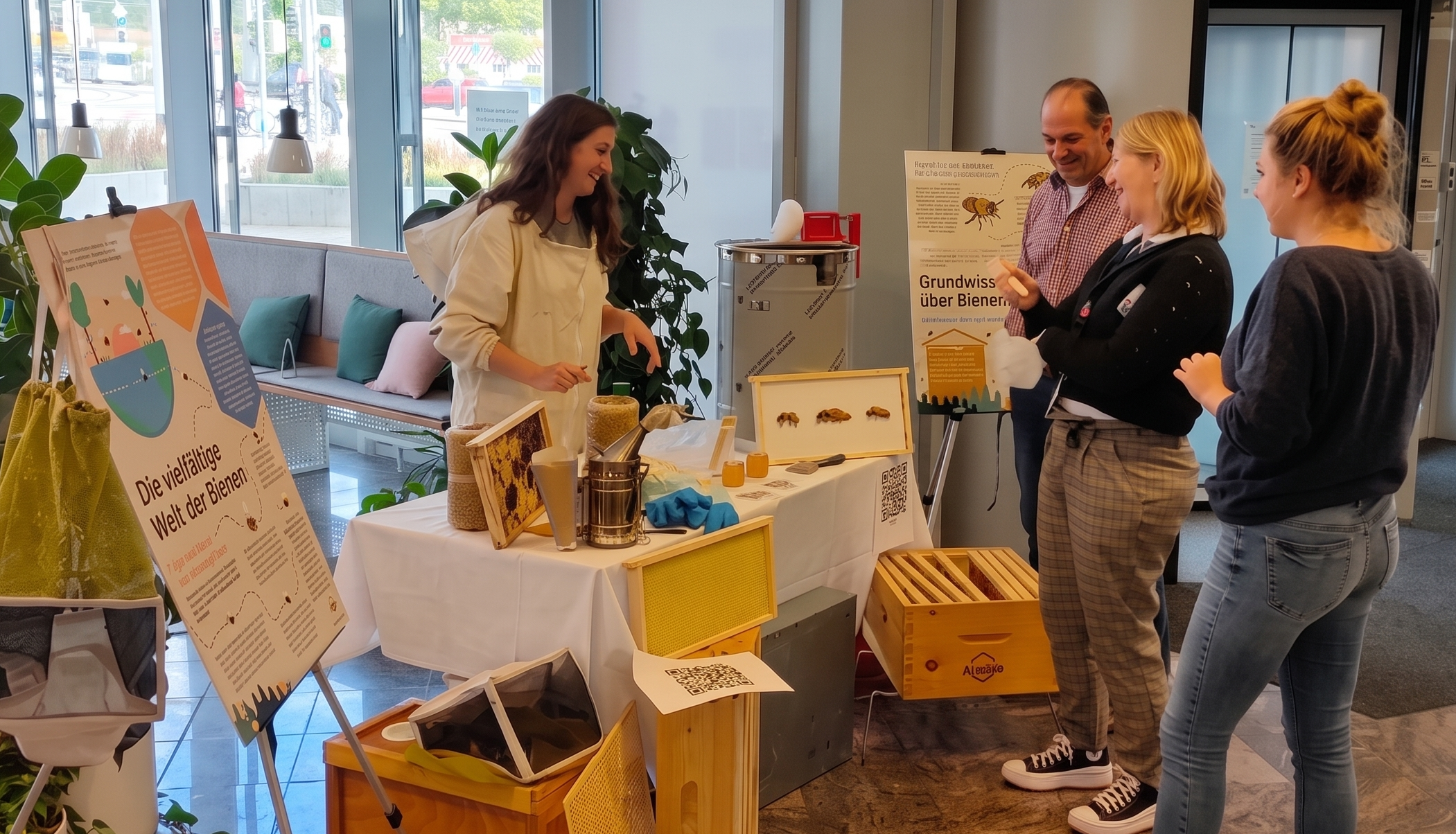
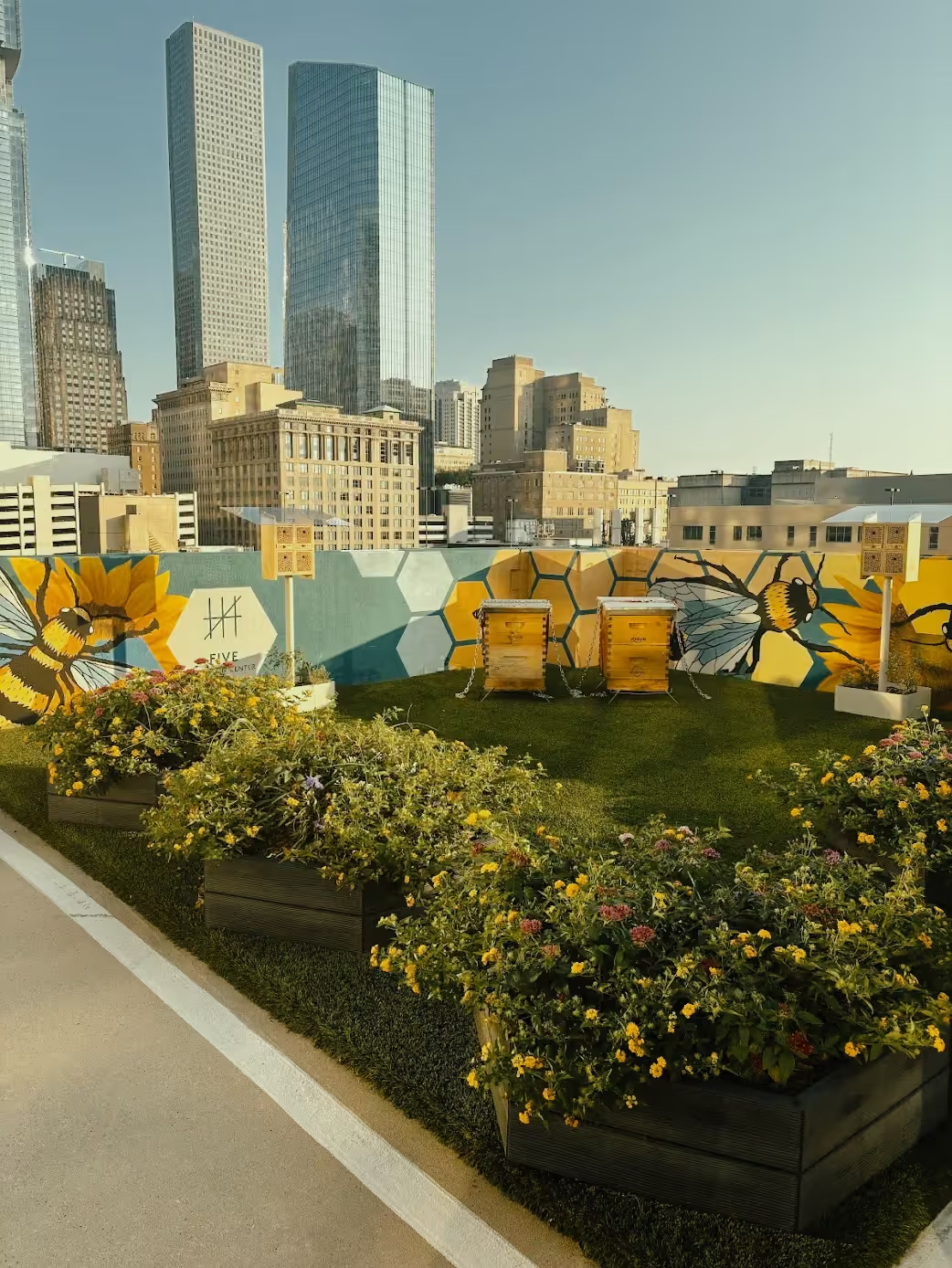
A living amenity tenants actually use
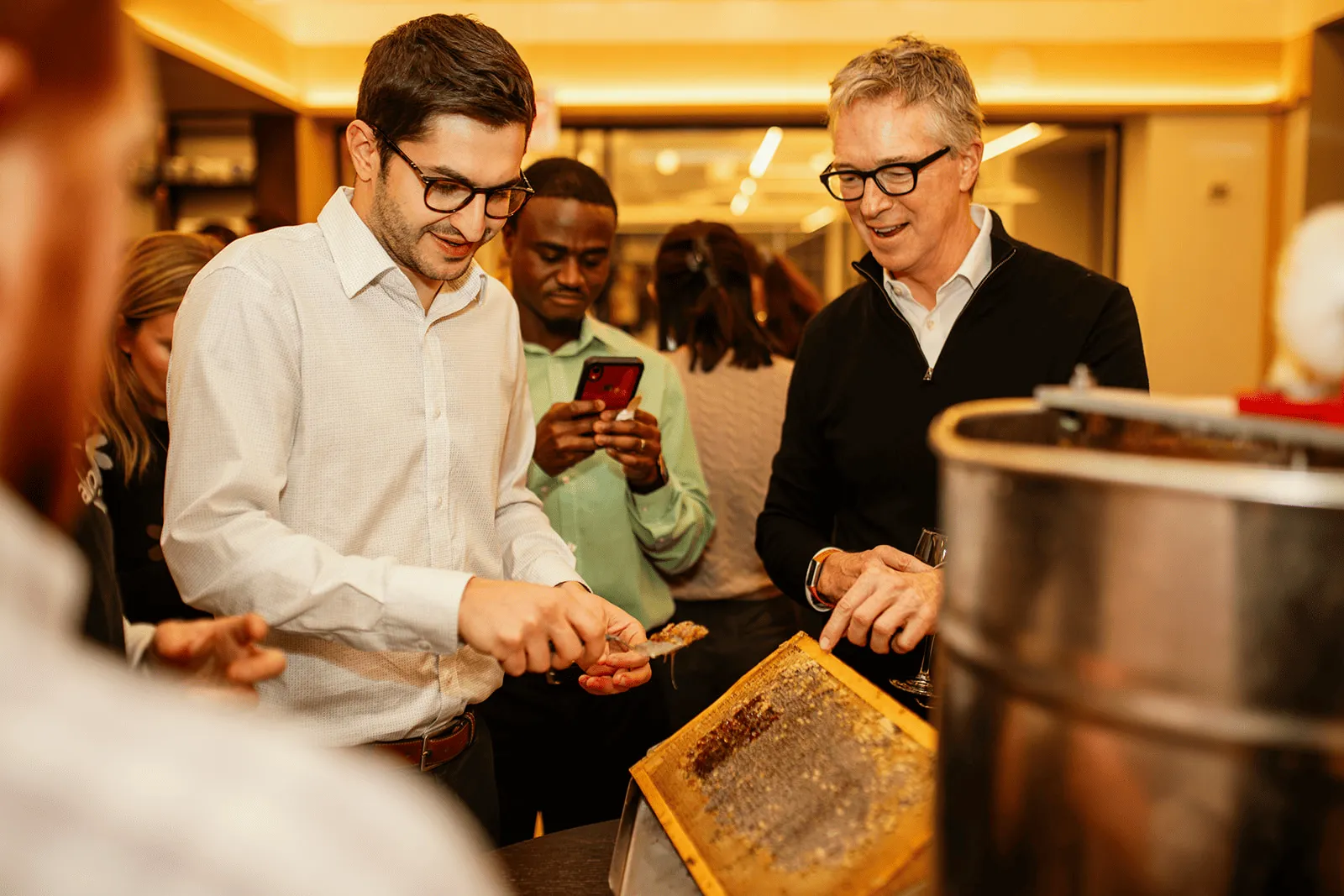

Year-round events

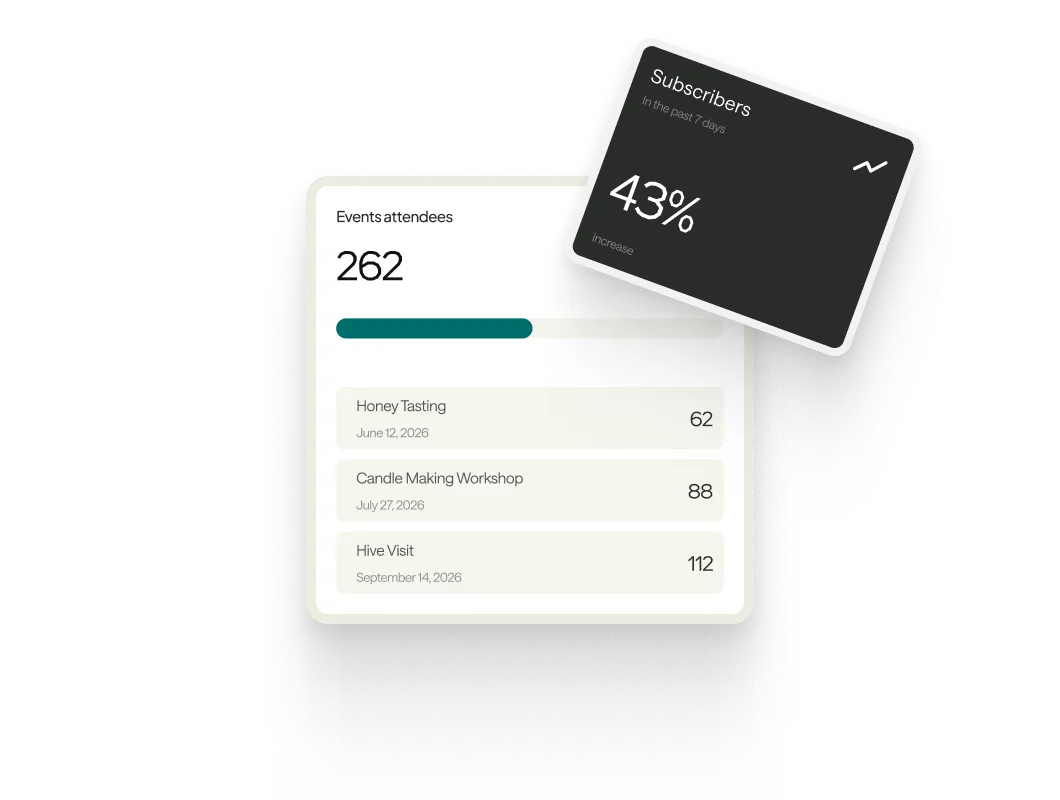
Participation data that compounds
Meet the neighborhood bees
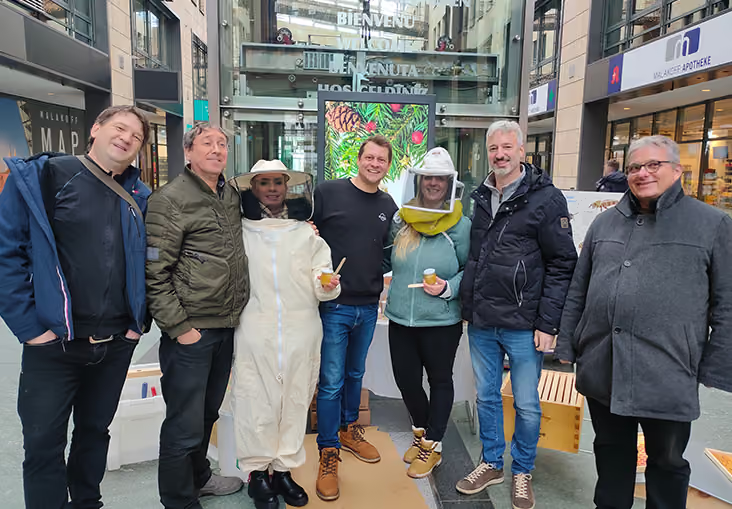
PATRIZIA, the German-headquartered real asset investment manager, brought bee habitats and programming to more than 10 of its properties with Alvéole. Interactive workshops and jars of honey made on site have lifted tenant engagement and given people across the portfolio a reason to take part.


Turning your hives into insight

Data collection and instant reporting
Remote sensing establishes baseline indicators across your portfolio, while onsite monitoring (bioacoustics and eDNA) captures species presence and habitat quality at each property. That data feeds directly into TNFD, CSRD, and GRESB reports, generated in minutes from pre-filled templates, with audit trails showing exactly where each number comes from.

Portfolio dashboard and AI agent
See biodiversity trends across all assets, benchmark each property against portfolio average, and export site-level data for individual disclosures. Ask the AI agent questions about TNFD requirements, GRESB scoring, or site-specific risks, and get answers that reference your actual portfolio data and current framework standards.
We service hives across the Ruhr region, including:
...and more.
Alvéole in the media
FAQ
Beekeeping is well established across the Ruhr. German rules require beekeepers to register with the local veterinary authority and the regional animal disease fund. Alvéole handles registration, siting, and compliance for every install.
Yes. Alvéole keeps docile honey bee colonies suited to urban rooftops. Honey bees are not aggressive away from the hive and rarely sting unless it's disturbed. Our beekeepers site hives away from high-traffic rooftop areas and manage all hive access, so tenants interact with the program through workshops and events, not the hive directly.
A rooftop program builds on the region's green transformation, adding pollinator habitat and biodiversity data on your own property. Each honeybee hive is paired with wild bee habitat to support native pollinators, and Alvéole's monitoring turns your building's nature data into reporting you can use for GRESB, BREEAM, WELL, and EU frameworks like CSRD and TNFD.
The foraging season runs roughly April through August, with the linden bloom in early summer as the high point. That window is also when most tenant-facing events land, hive tours, harvest days, and workshops, so the program's busiest stretch lines up with the season buildings actually want tenant programming.
Germany has a strong beekeeping culture, so placement matters. Alvéole sites hives based on local forage density rather than adding to already-busy blocks, and pairs each honeybee hive with wild bee habitat to support native pollinators too, not just honeybees.
They stay in the hive. Honey bees don't hibernate or migrate. As temperatures drop, the colony clusters around the queen and lives off the honey it stored through summer. Before winter, Alvéole prepares each hive and confirms the colony has enough stores to reach spring. Tenant programming keeps running through the colder months with indoor workshops, and hands-on hive visits pick back up once the colony is active again.