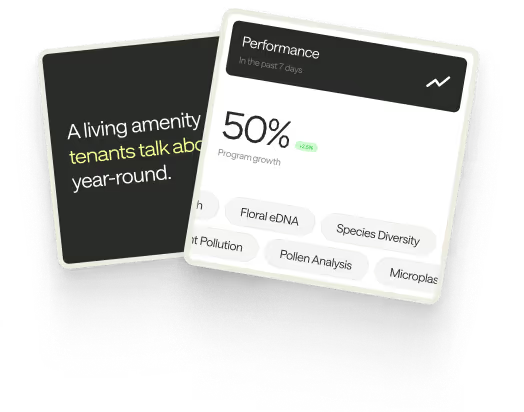


Give your Miami buildings an engagement program tenants talk about.




















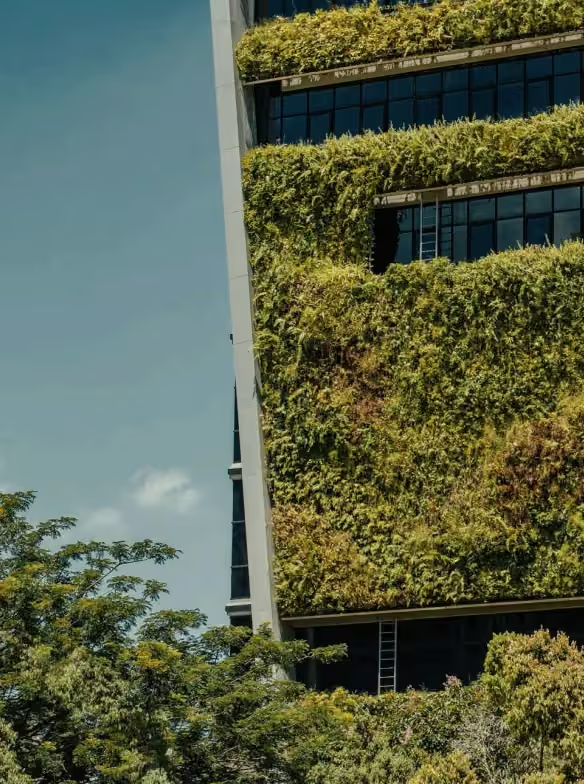

Why urban beekeeping works for Miami buildings
Miami-Dade County is investing in the canopy that gives hives somewhere to forage. The county's 2025 Urban Forestry Plan targets 30% tree canopy cover countywide by 2030, up from roughly 20% today, part of a long-running push that started with the Million Trees Miami campaign. More flowering canopy means more forage within range of a rooftop hive.
Local policy backs it too. The City of Miami requires new private developments over 50,000 square feet in its T5, T6, CI, and CS zoning districts to reach LEED Silver certification or better, under Municipal Code Section 3.13.1b. Miami 21, the city's zoning code, also credits green roofs toward a project's required green space, an incentive that's put vegetated, hive-ready rooftops within reach for a lot of downtown towers.
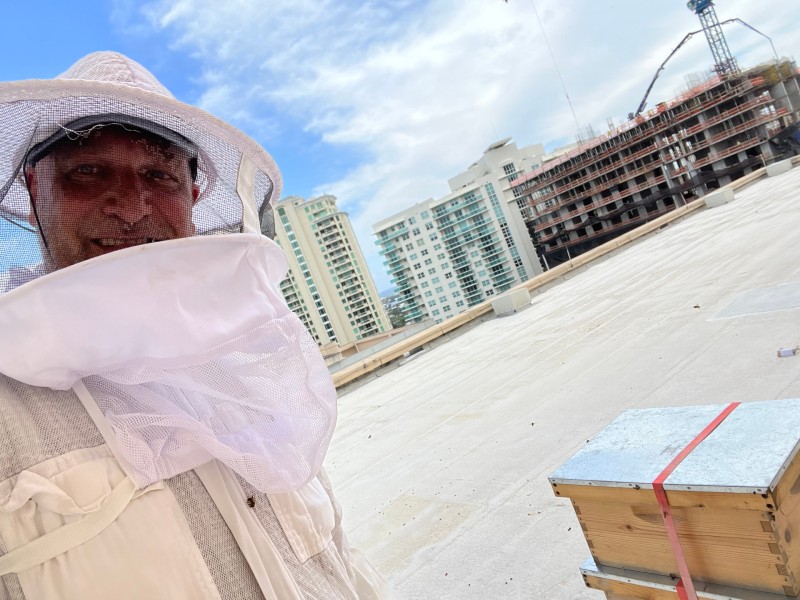
How an urban beekeeping program works in Miami

A living amenity tenants actually use
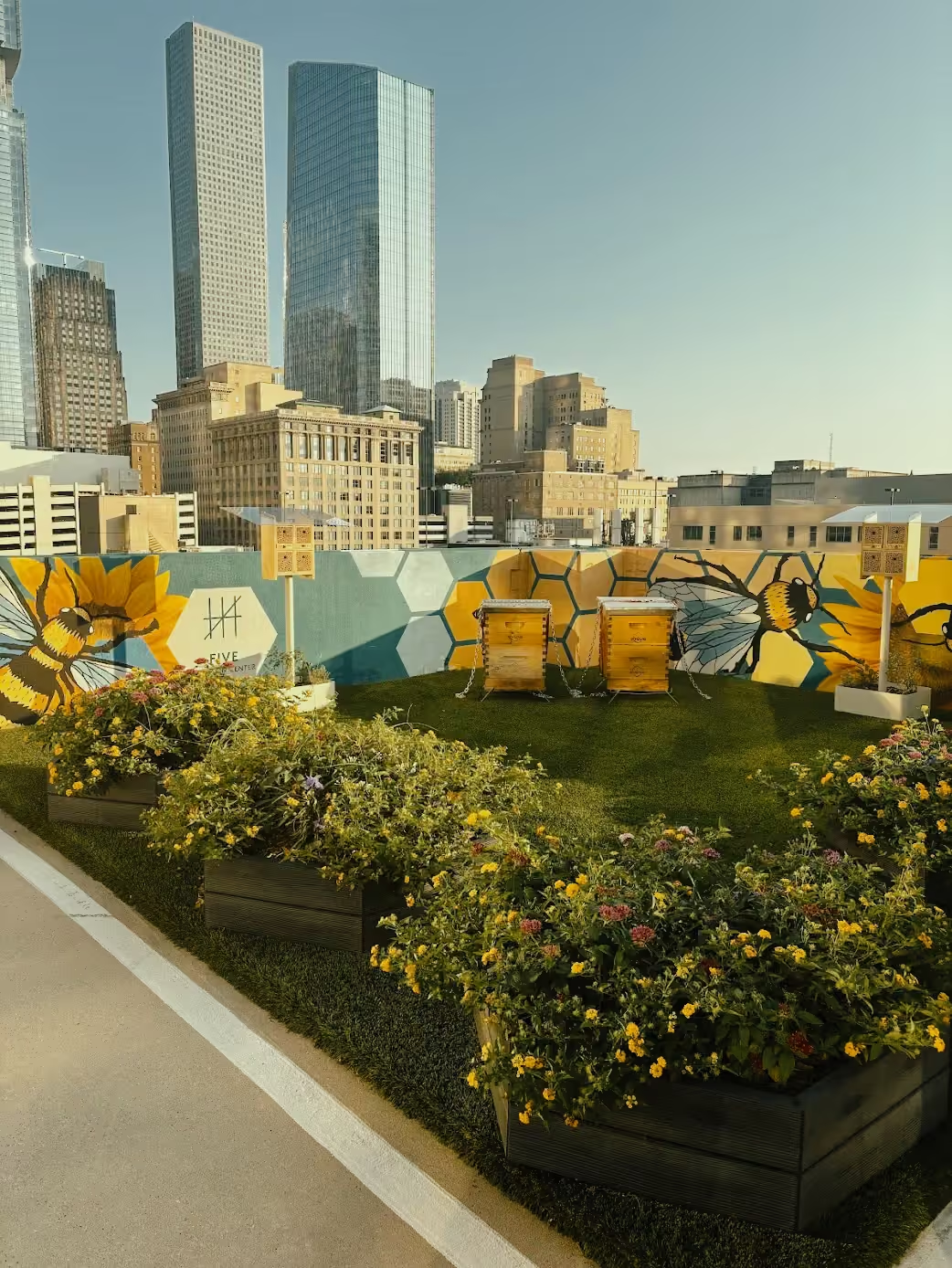
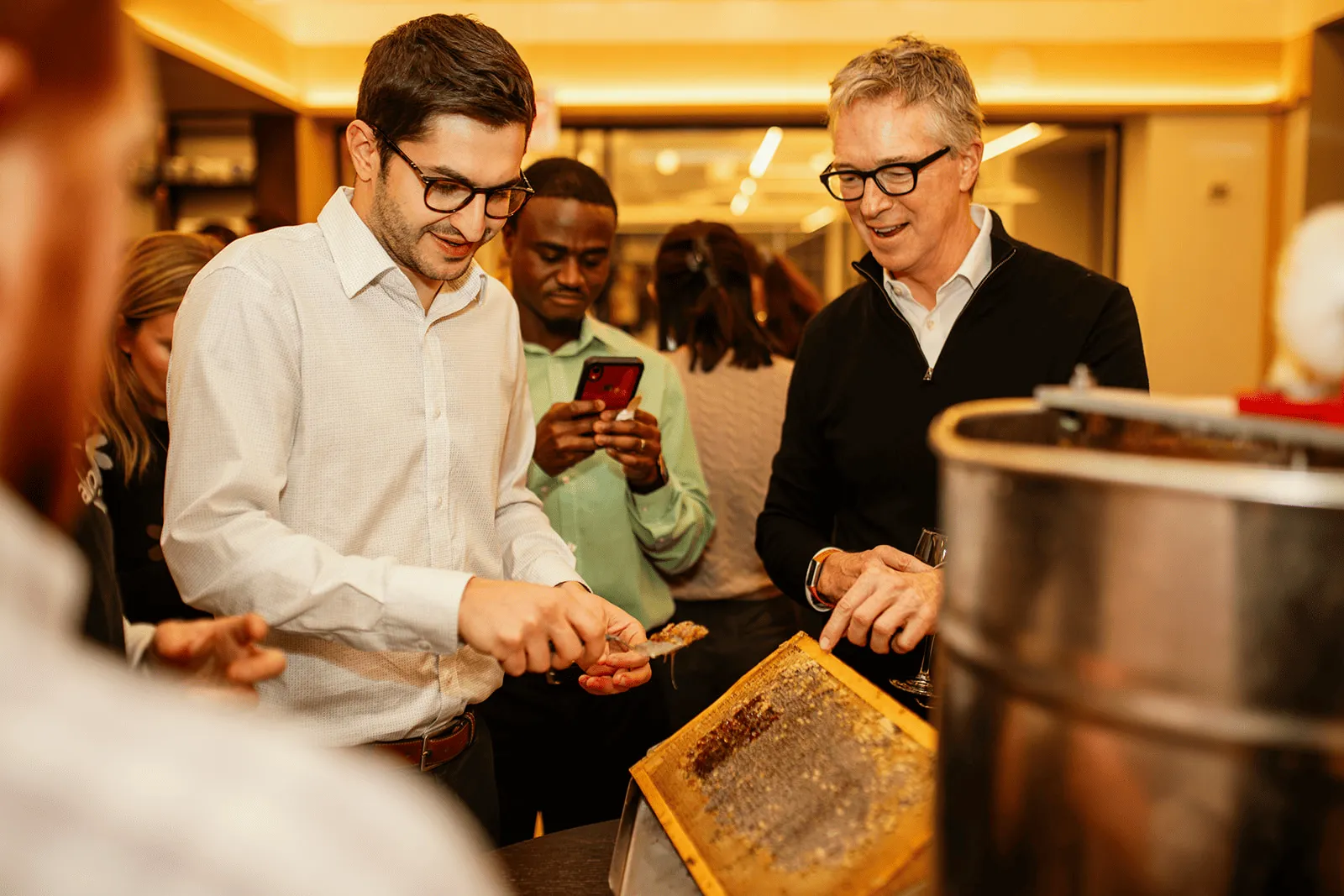

Year-round events

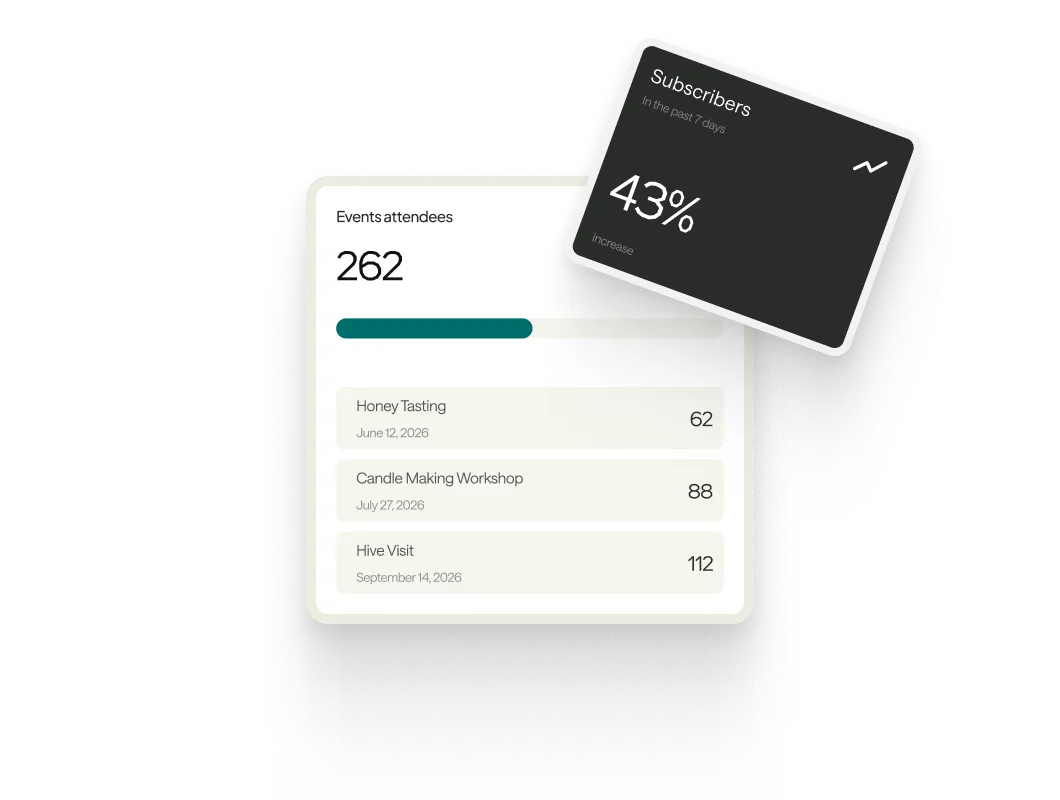
Participation data that compounds
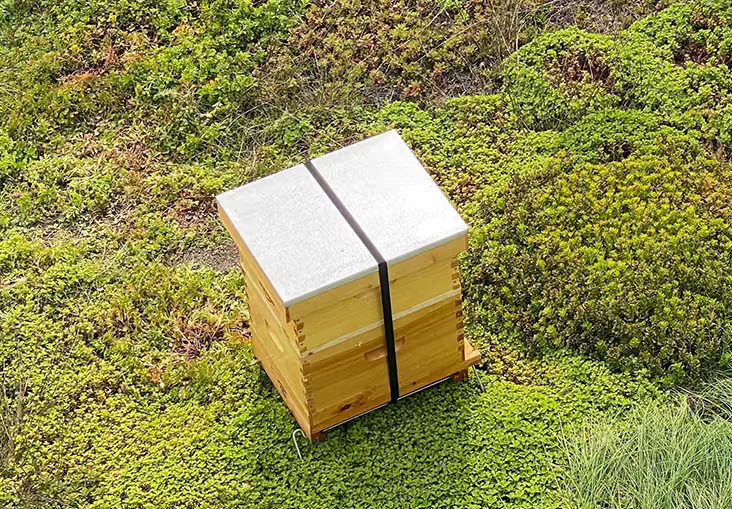
Meet the neighborhood bees

200 E Las Olas
PGIM Real Estate's 200 E Las Olas is home to a rooftop beehive that anchors the building's tenant engagement and sustainability programming. The hive gives tenants and visitors a hands-on connection to nature and contributes real biodiversity data for the property's reporting.


Turning your hives into insight

Data collection and instant reporting
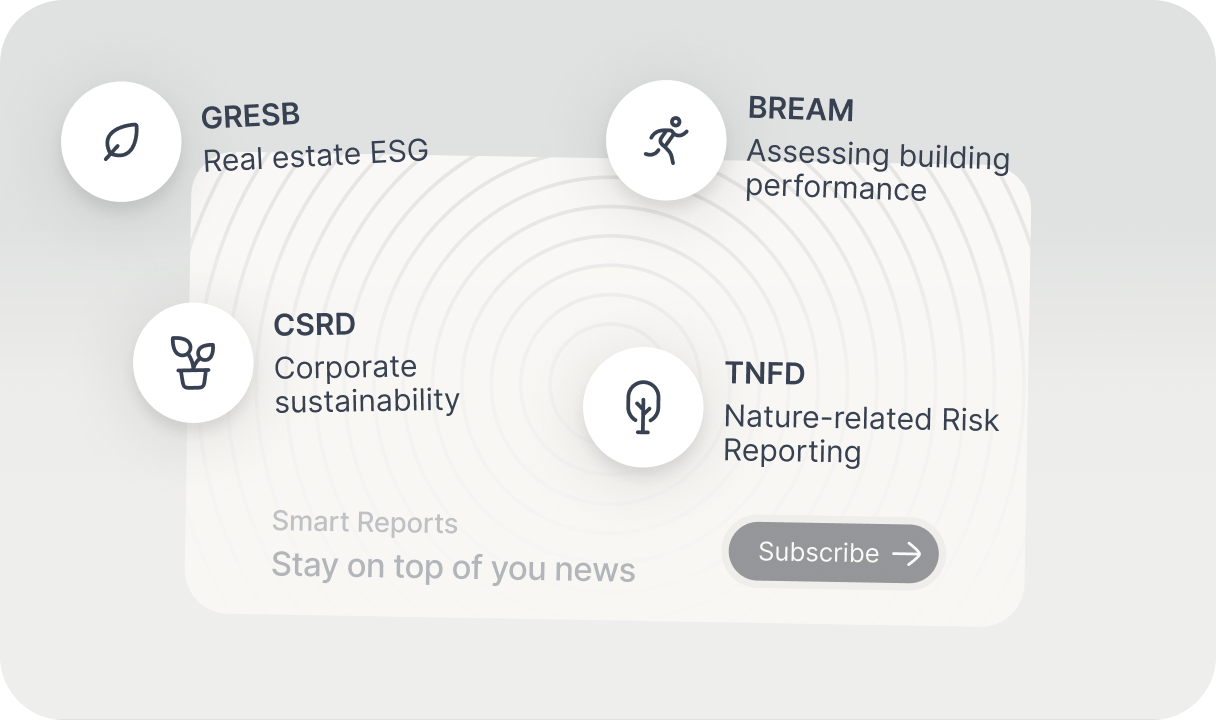
Remote sensing establishes baseline indicators across your portfolio, while onsite monitoring (bioacoustics and eDNA) captures species presence and habitat quality at each property. That data feeds directly into TNFD, CSRD, and GRESB reports, generated in minutes from pre-filled templates, with audit trails showing exactly where each number comes from.


Portfolio dashboard and AI agent
See biodiversity trends across all assets, benchmark each property against portfolio average, and export site-level data for individual disclosures. Ask the AI agent questions about TNFD requirements, GRESB scoring, or site-specific risks, and get answers that reference your actual portfolio data and current framework standards.
We service hives across Miami and the Greater Miami area, including the following municipalities in Miami-Dade County:
- Miami Beach
- Coral Gables
- Doral
- Aventura
- Hialeah
- Sunny Isles Beach
- Key Biscayne
- Miami Lakes
- Pinecrest
- Bal Harbour
- Homestead
- Cutler Bay
and more...
Alvéole in the media
FAQ
Yes. Florida law permits beekeeping in both agricultural and non-agricultural areas, including commercial rooftops in urban zoning districts. Every apiary in the state, rooftop hives included, must be registered annually with the Florida Department of Agriculture and Consumer Services under the state's apiary rule. Alvéole handles registration and siting for every install.
Florida is home to over 300 native bee species, and commercial rooftop apiaries are still a small share of the state's registered hives. Alvéole sites hives based on local forage density rather than adding to already-busy blocks, and pairs each honeybee hive with wild bee habitat (BeeHome) to support native pollinators too, not just honeybees.
Miami's subtropical climate keeps hives active nearly year-round, with the strongest nectar flow roughly February through May, ahead of hurricane season. That spring window is also when most tenant-facing events land, hive tours, harvest days, and workshops, so the program's busiest stretch lines up with the season buildings actually want tenant programming.
Yes. Alvéole keeps Italian honey bees, a breed known for its docility, and honey bees are not aggressive away from the hive, rarely stinging unless it's disturbed. Alvéole's beekeepers site hives away from high-traffic rooftop areas and manage all hive access, so tenants interact with the program through workshops and events, not the hive directly.
Yes. Alvéole's program contributes to BOMA 360, BOMA BEST, BREEAM, Fitwel, GRESB, LEED, and WELL, through pollinator habitat, tenant engagement documentation, and biodiversity monitoring.
No. Alvéole exclusively keeps Italian honey bees, a docile European breed, and every hive is requeened on a regular schedule to keep it that way. South Florida does have established Africanized honey bee populations, but Florida's Department of Agriculture and Consumer Services points to well-managed apiaries like Alvéole's as one of the best defenses against an area becoming more Africanized: a strong, well-fed European colony out-competes feral swarms for the same forage rather than leaving room for one to move in.