
Give your Los Angeles buildings an engagement program tenants talk about.




















Why urban beekeeping works for Los Angeles buildings
Los Angeles has real green infrastructure for a program like this to draw on. The city's own LA Biodiversity Index Baseline Report tracks habitat quality across the city's park system, including Griffith Park and Elysian Park, as part of a citywide push to expand and monitor urban biodiversity.
State policy backs it up too. California pesticide regulations effective January 1, 2024 restrict neonicotinoid use on food crops, and a second phase effective January 1, 2025 limits retail sale of neonicotinoid pesticides for outdoor, non-agricultural use to licensed applicators only.
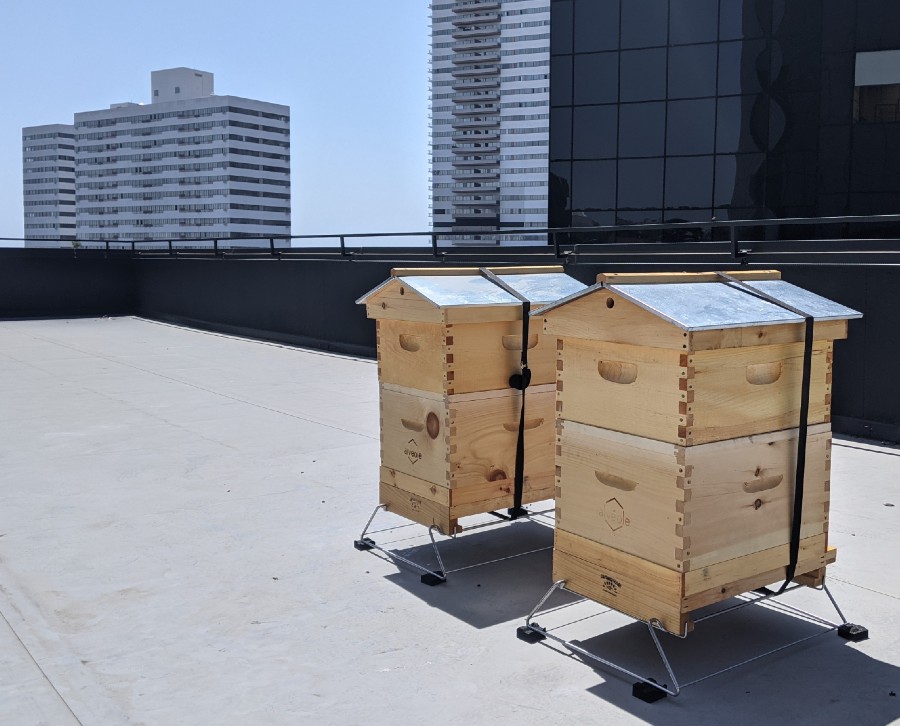
How an urban beekeeping program works in Los Angeles

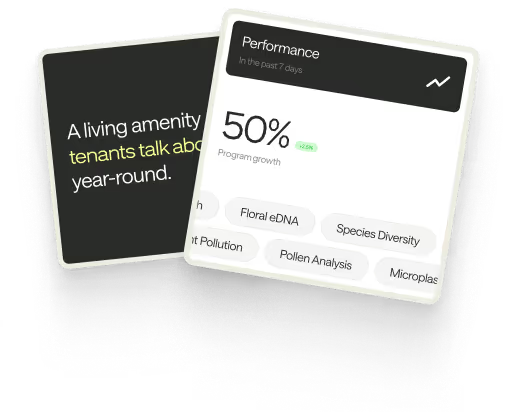
A living amenity tenants actually use
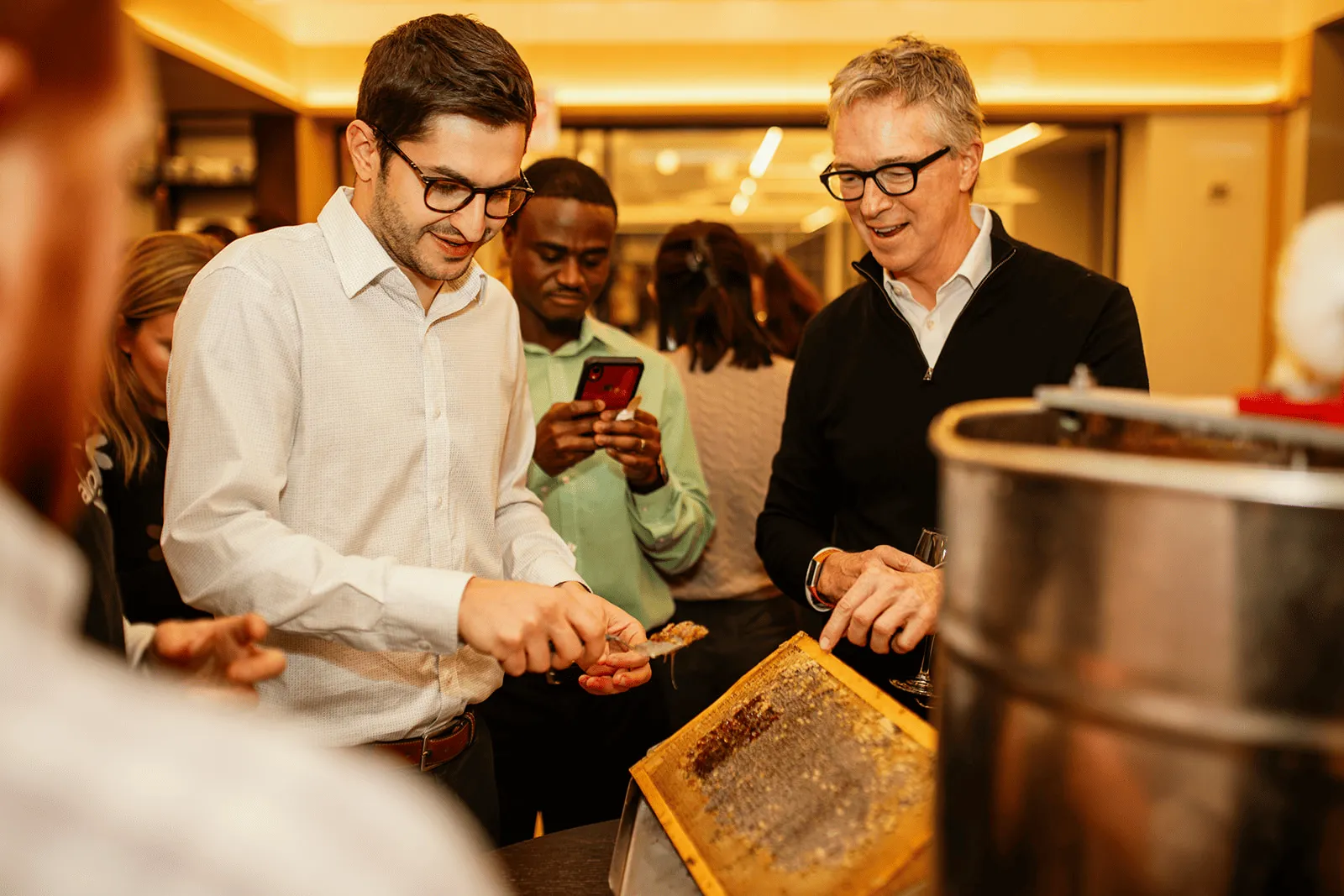

Year-round events

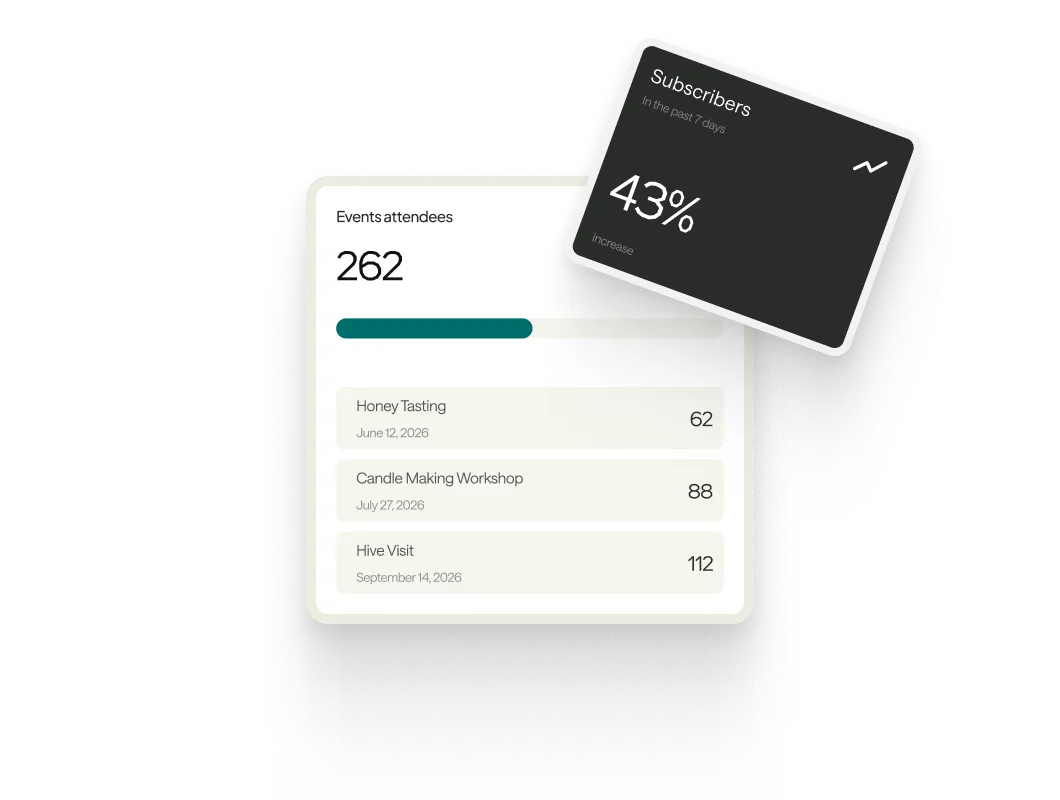
Participation data that compounds
Meet the neighborhood bees

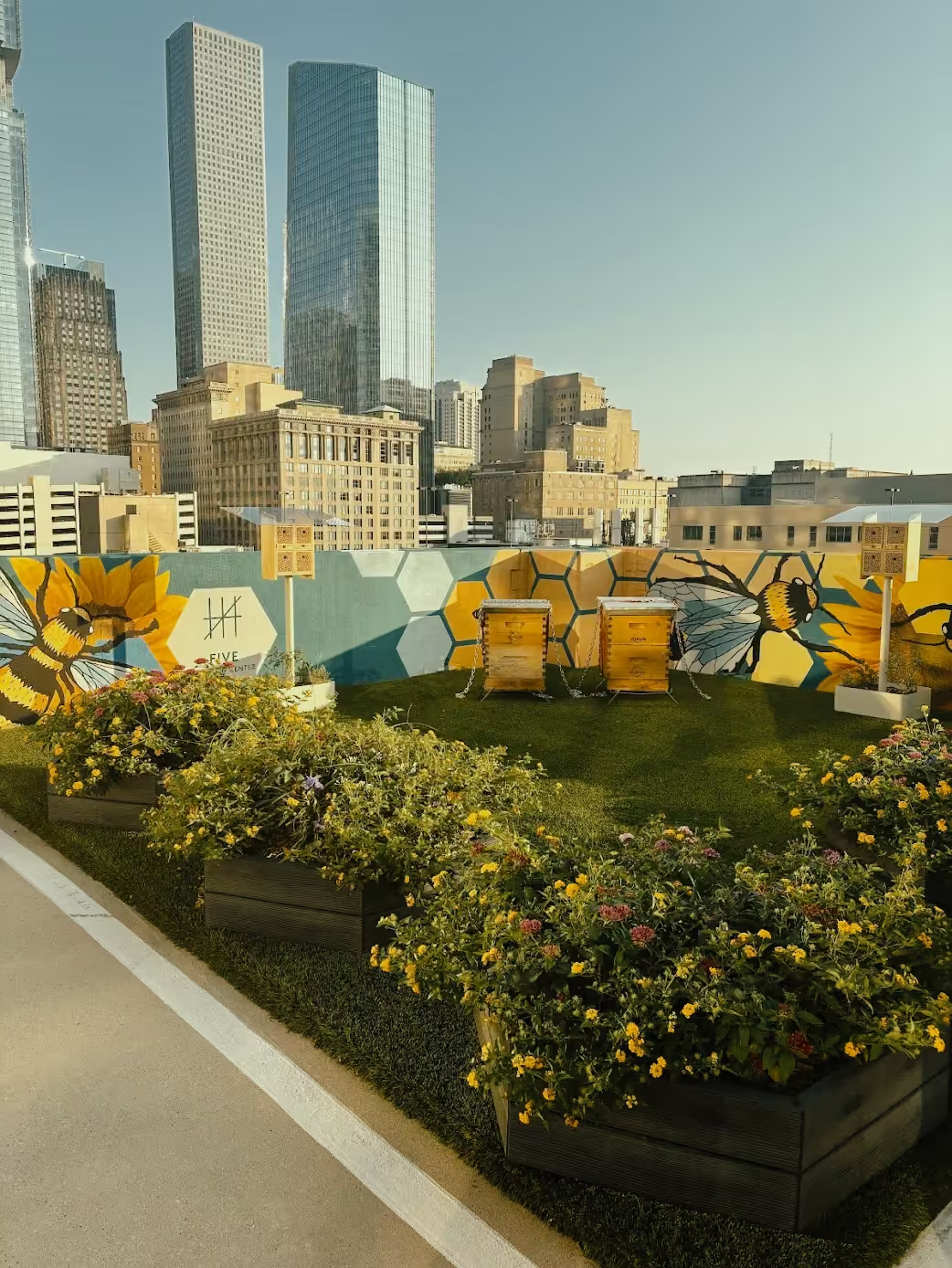
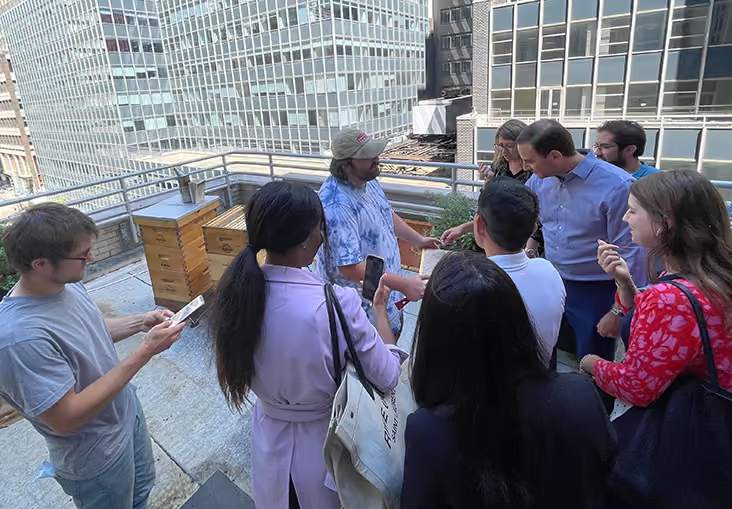
From the Financial District to Century City, bees have moved onto some of Los Angeles' most recognizable office towers. Bank of America Plaza, Ernst & Young Plaza, 777 Tower, California Market Center, and the Wells Fargo Center all run rooftop hives with Alvéole for Brookfield Properties alone, alongside Nuveen's properties across the city. Landmark buildings, one program.


Turning your hives into insight

Data collection and instant reporting
Remote sensing establishes baseline indicators across your portfolio, while onsite monitoring (bioacoustics and eDNA) captures species presence and habitat quality at each property. That data feeds directly into TNFD, CSRD, and GRESB reports, generated in minutes from pre-filled templates, with audit trails showing exactly where each number comes from.


Portfolio dashboard and AI agent
See biodiversity trends across all assets, benchmark each property against portfolio average, and export site-level data for individual disclosures. Ask the AI agent questions about TNFD requirements, GRESB scoring, or site-specific risks, and get answers that reference your actual portfolio data and current framework standards.
We service hives across Los Angeles and the Greater LA area, including the following cities:
- Downtown Los Angeles
- Hollywood
- Koreatown
- Century City
- Westwood
- Santa Monica
- Culver City
- Glendale
- Pasadena
- Inglewood
- El Segundo
- Manhattan Beach
- Torrance
- Compton
- Downey
- Anaheim
- Irvine
- Huntington Beach
- Mission Viejo
and more...
Alvéole in the media
FAQ
Yes. The Los Angeles City Council legalized backyard beekeeping in October 2015, overturning a ban that had been on the books since 1879. Every hive must be registered with the LA County Agricultural Commissioner's office. Alvéole handles registration and siting for every install.
A 2025 UC San Diego study found feral honey bees in Southern California removing up to 80% of available pollen from native plants within a day of bloom, squeezing out food sources for the region's 700+ native bee species. That research is about the area's large feral, unmanaged bee population, not managed rooftop apiaries. Alvéole sites hives based on local forage density rather than adding to already-saturated areas, and pairs each honeybee hive with wild bee habitat (BeeHome) to support native pollinators directly.
Los Angeles' mediterranean climate keeps flora blooming nearly year-round, giving hives one of the longest active seasons anywhere Alvéole operates, roughly February through November. That long stretch is also when most tenant-facing events land, hive tours, harvest days, workshops, so the program keeps giving tenants something to gather around for most of the year.
Yes. Alvéole keeps Italian honey bees, a breed known for its docility, and honey bees are not aggressive away from the hive, rarely stinging unless it's disturbed. Alvéole's beekeepers site hives away from high-traffic rooftop areas and manage all hive access, so tenants interact with the program through workshops and events, not the hive directly.
Yes. Alvéole's program contributes to BOMA 360, BOMA BEST, BREEAM, Fitwel, GRESB, LEED, and WELL, through pollinator habitat, tenant engagement documentation, and biodiversity monitoring.