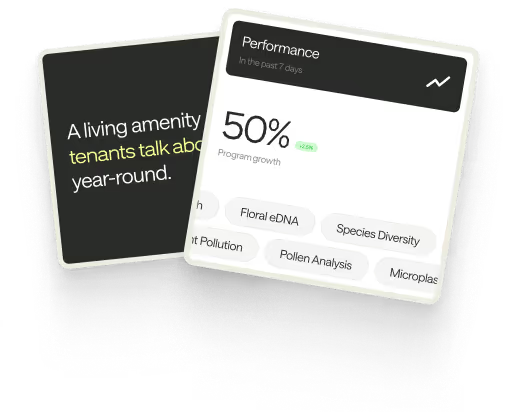


Give your Hanover buildings an engagement program tenants talk about.


















Why urban beekeeping works for Hanover buildings
Hanover has actually tested this. BUND Region Hannover had entomologist Rolf Witt survey the bee and wasp fauna on ten green roofs across the city. What mattered was not roof age or size but structure and planting: varied substrate, bare patches, deadwood, and herbs like thyme and marjoram alongside the usual sedum. A rooftop becomes habitat when it is managed as habitat.
Local policy backs that up. The Region Hannover funds roof and façade greening with up to €10,000, rising to €15,000 where the roof also carries solar, with biological diversity written into the programme's purpose. And the Insektenbündnis Hannover, founded by unanimous council resolution in 2020, works to create and connect insect habitat across the city, company grounds included.
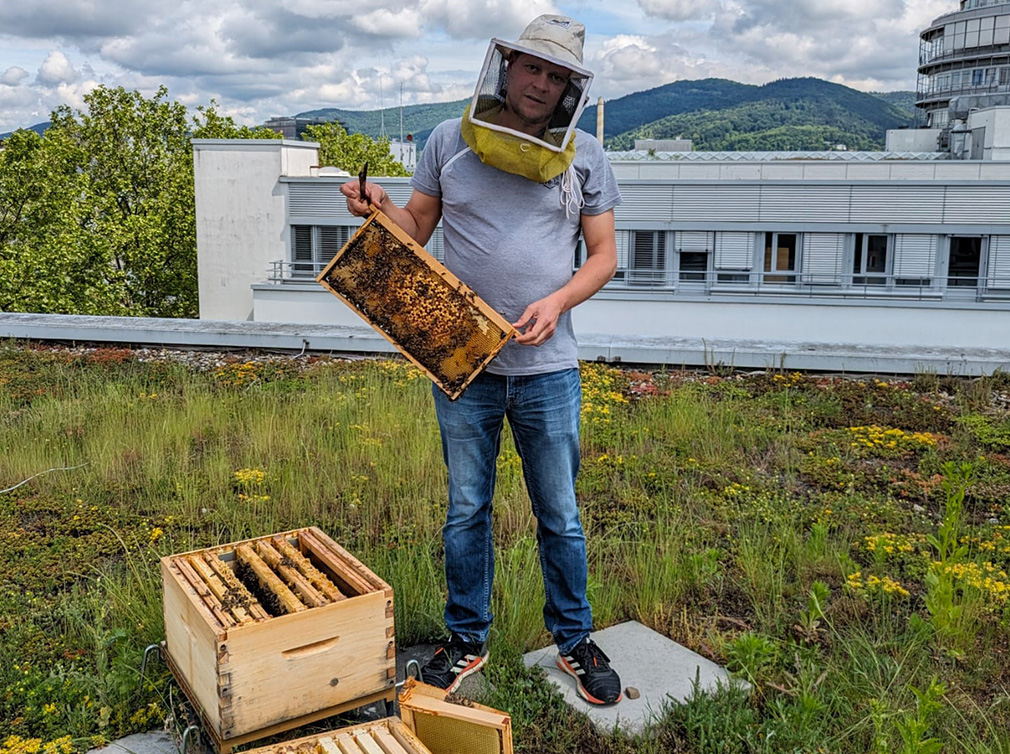
How an urban beekeeping program works in Hanover

A living amenity tenants actually use

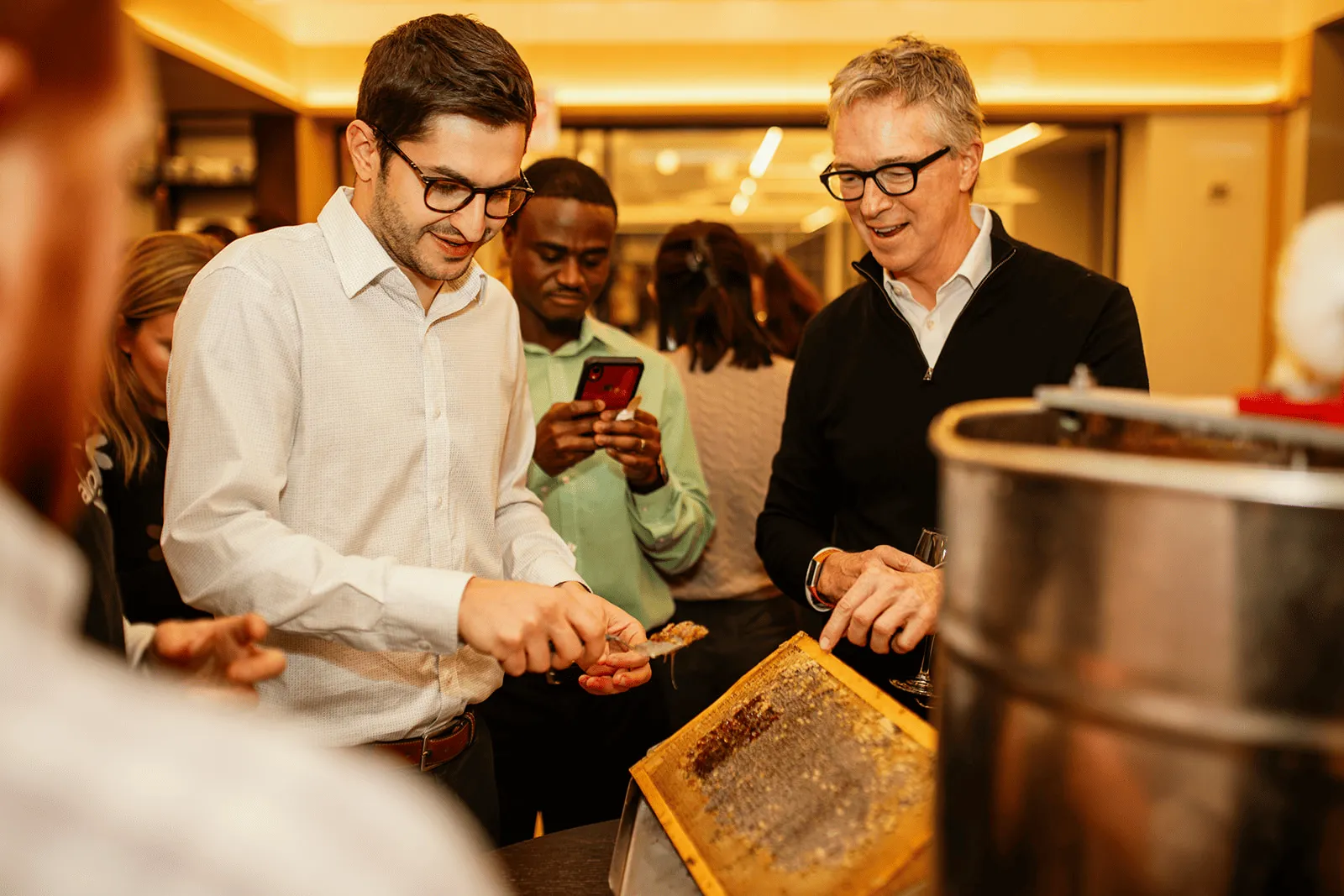

Year-round events

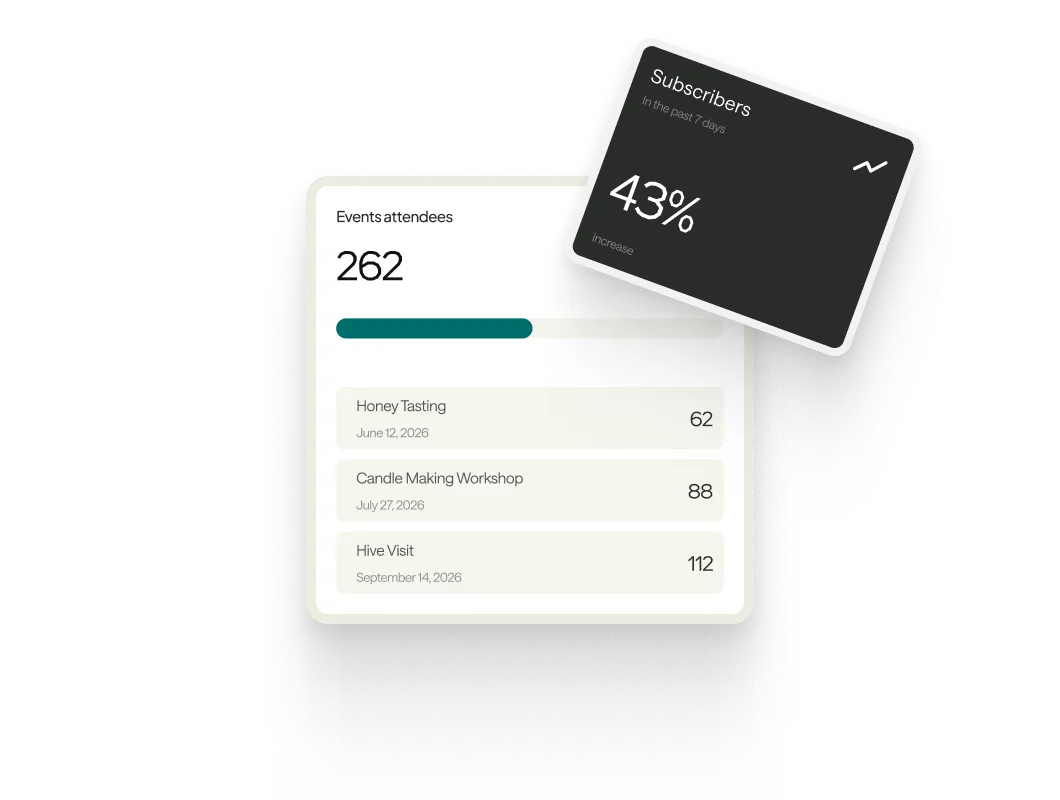
Participation data that compounds
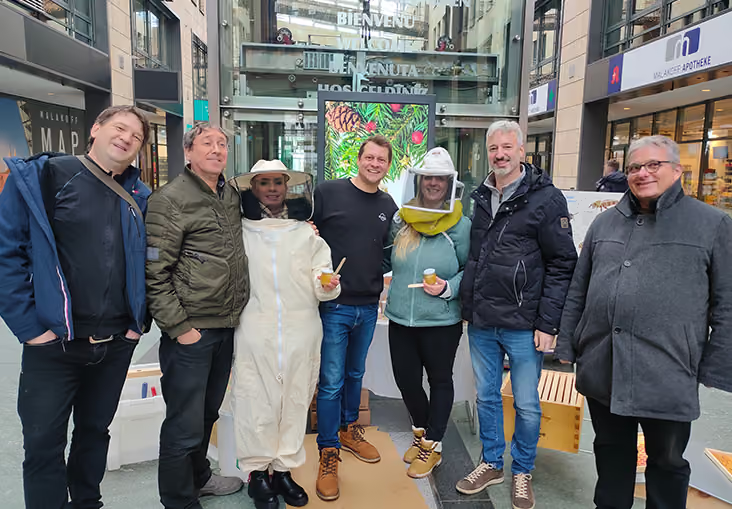
Meet the neighborhood bees
PATRIZIA, the German-headquartered real asset investment manager, brought bee habitats and environmental programming to more than 10 of its properties with Alvéole. Interactive workshops and jars of honey made on site have lifted tenant engagement and given people across the portfolio a reason to take part.


Turning your hives into insight

Data collection and instant reporting
Remote sensing establishes baseline indicators across your portfolio, while onsite monitoring (bioacoustics and eDNA) captures species presence and habitat quality at each property. That data feeds directly into TNFD, CSRD, and GRESB reports, generated in minutes from pre-filled templates, with audit trails showing exactly where each number comes from.


Portfolio dashboard and AI agent
See biodiversity trends across all assets, benchmark each property against portfolio average, and export site-level data for individual disclosures. Ask the AI agent questions about TNFD requirements, GRESB scoring, or site-specific risks, and get answers that reference your actual portfolio data and current framework standards.
We service hives across Hanover and the surrounding Region Hannover, including:
- Mitte
- Nordstadt
- List
- Linden-Limmer
- Südstadt-Bult
- Vahrenwald
- Langenhagen
- Laatzen
- Garbsen
- Isernhagen
...and more.
Alvéole in the media
FAQ
Beekeeping is permitted and well established. Under German law every colony must be registered, and in Hanover that means notifying the Fachdienst Verbraucherschutz und Veterinärwesen of the Region Hannover, plus the Niedersächsische Tierseuchenkasse within two weeks of setting up. Alvéole handles registration, siting, record keeping and compliance for every install, so nothing lands on the property team.
Placement matters more than the count. Alvéole sites hives based on local forage rather than adding to already-busy blocks, and pairs every honeybee hive with wild bee habitat so native pollinators benefit too. The BUND survey of ten green roofs across Hanover found the same thing from the habitat side: what a rooftop offers pollinators depends on how it is built and planted, not on how many hives sit nearby.
The foraging season runs roughly April through August, with the lime bloom in late June and early July as the high point. That window is also when most tenant-facing events land, hive tours, harvest days and workshops, so the program's busiest stretch lines up with the season buildings actually want tenant programming.
Yes. Alvéole keeps docile honey bee colonies suited to urban rooftops. Honey bees are not aggressive away from the hive and rarely sting unless it's disturbed. Our beekeepers site hives away from high-traffic rooftop areas and manage all hive access, so tenants interact with the program through workshops and events, not the hive directly.
A rooftop program adds pollinator habitat and biodiversity data on your own property, supporting the kind of outcomes recognised by the DGNB certification for biodiversity-promoting outdoor spaces. Each honeybee hive is paired with wild bee habitat to support native pollinators, and Alvéole's monitoring turns your building's nature data into reporting you can use for GRESB, BREEAM, WELL, and EU frameworks like CSRD and TNFD.
They stay in the hive. Honey bees don't hibernate or migrate. As temperatures drop, the colony clusters around the queen and lives off the honey it stored through summer. Before winter, Alvéole prepares each hive and confirms the colony has enough stores to reach spring. Tenant programming keeps running through the colder months with indoor workshops, and hands-on hive visits pick back up once the colony is active again.