

Give your Charlotte buildings an engagement program tenants talk about.






















Why urban beekeeping works for Charlotte buildings
Charlotte is one of the greenest big cities in the country to run a rooftop program. Its tree canopy covers about 47% of the city, among the highest of any large US city, so hives here have real forage within range, from street trees and yards to the parks and greenways threaded through the urban core.
Local policy backs it too. Charlotte runs a Bee City USA pollinator program, committing the city to protecting pollinator habitat and cutting pesticide use, and it's working toward 50% tree canopy by 2050. North Carolina keeps beekeeping low-friction, with no mandatory state registration and free colony inspections through the state's voluntary apiary program. Alvéole handles siting and compliance for every install.
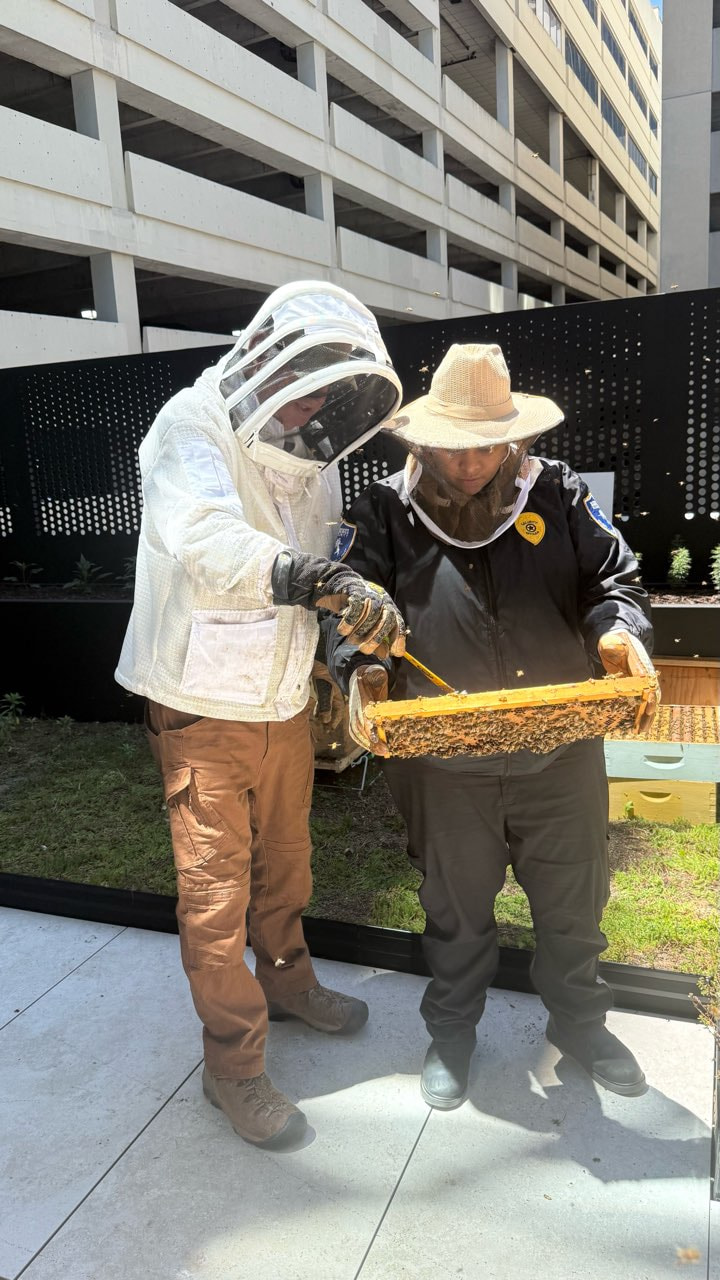
How an urban beekeeping program works in Charlotte

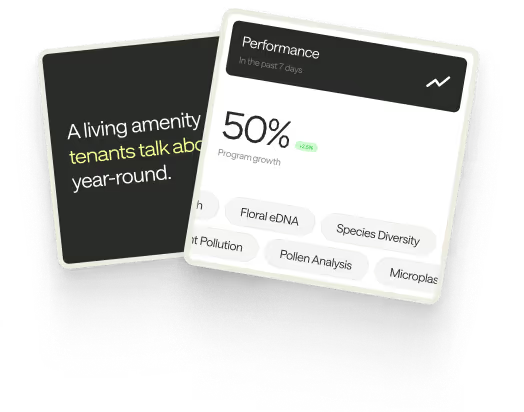
A living amenity tenants actually use

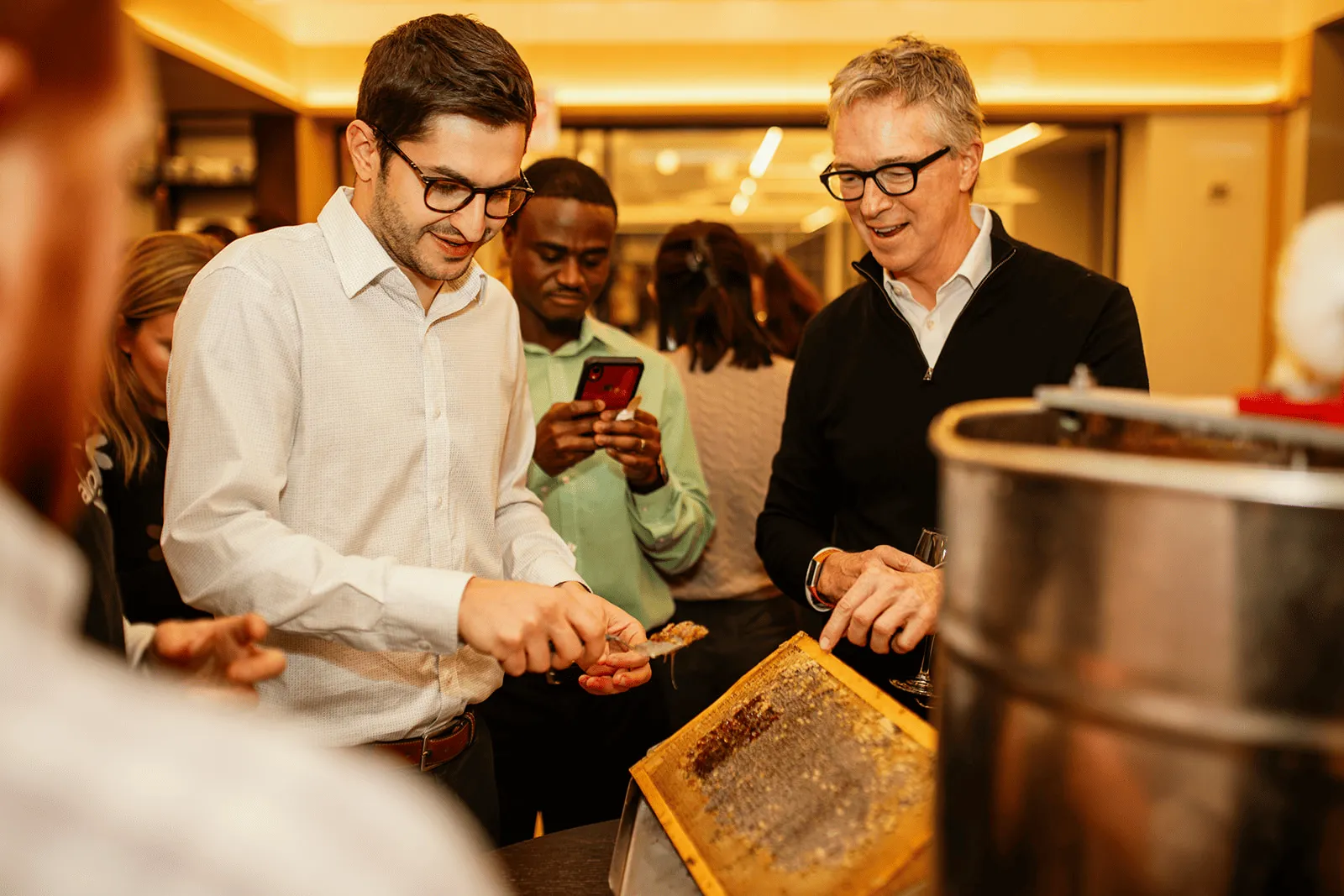

Year-round events

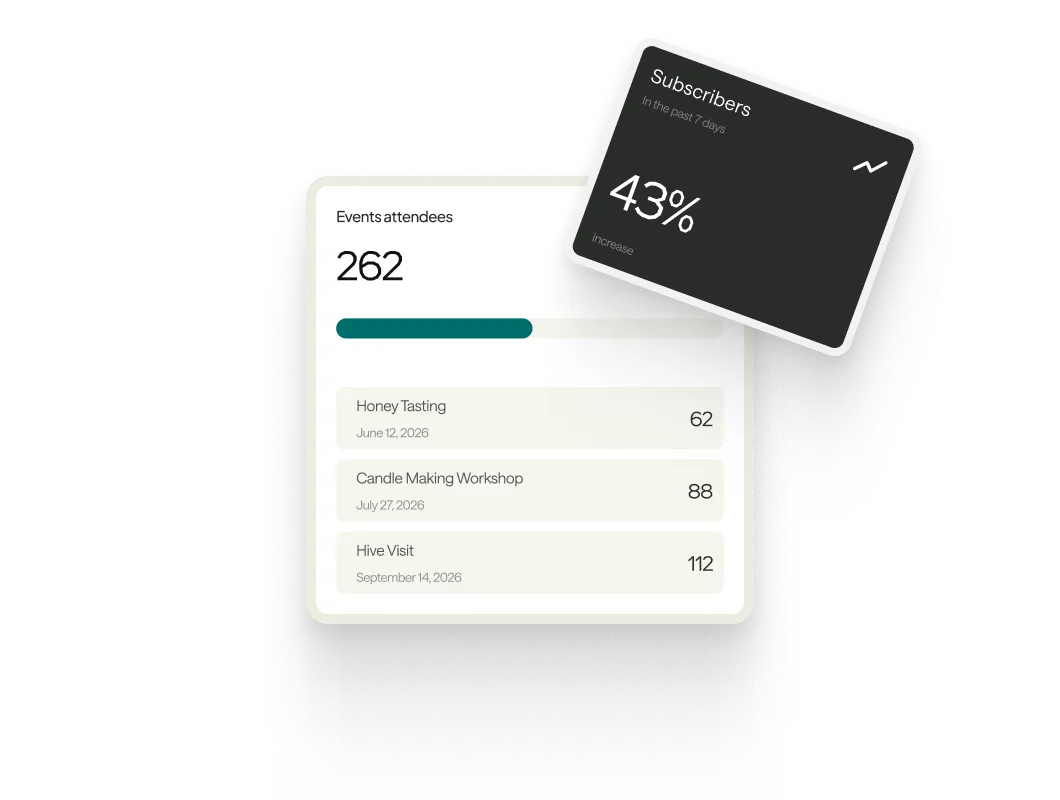
Participation data that compounds
Meet the neighborhood bees
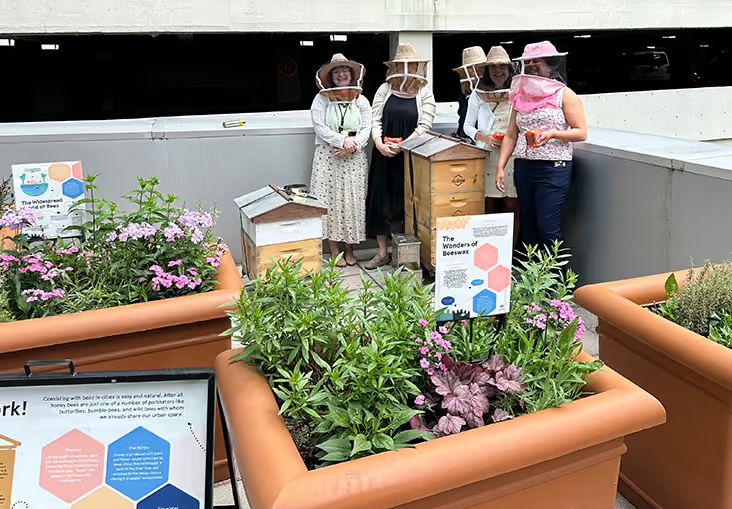
In uptown Charlotte, 201 South Tryon, a Class A office building managed by Cushman & Wakefield, runs a rooftop beehive that has become part of how the building engages tenants and tells its sustainability story. It gives people in the building a living connection to urban nature, right above the skyline.


Turning your hives into insight

Data collection and instant reporting
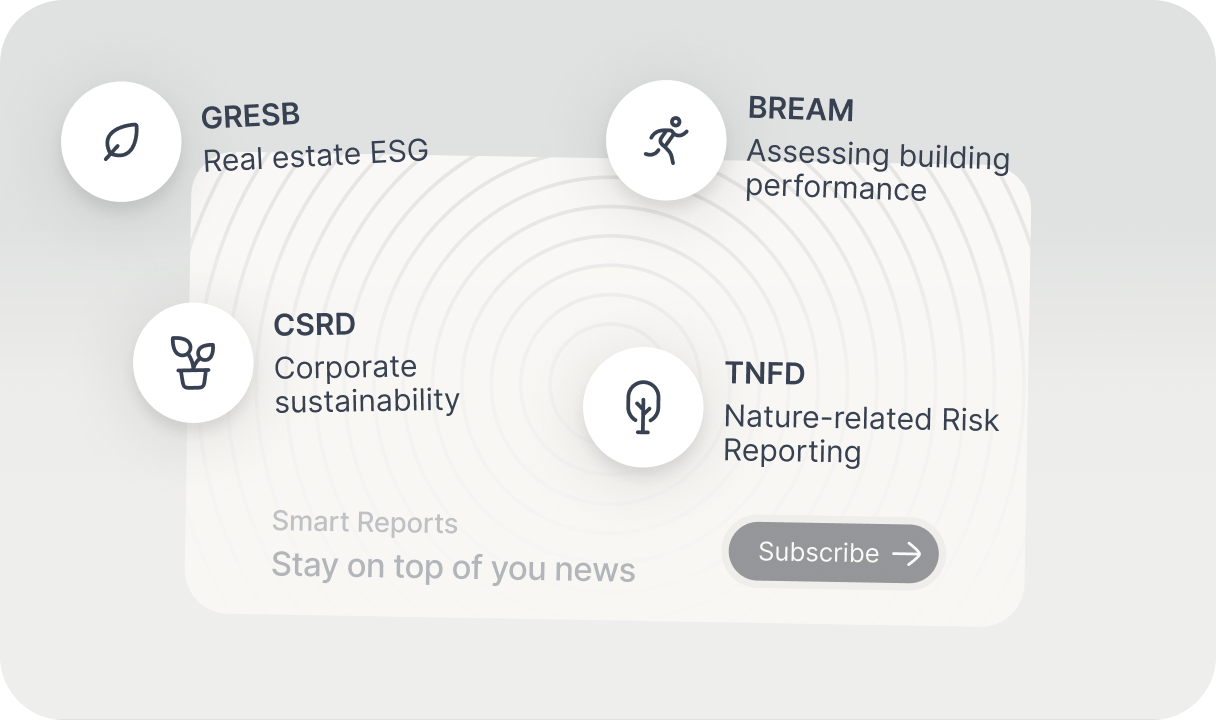
Remote sensing establishes baseline indicators across your portfolio, while onsite monitoring (bioacoustics and eDNA) captures species presence and habitat quality at each property. That data feeds directly into TNFD, CSRD, and GRESB reports, generated in minutes from pre-filled templates, with audit trails showing exactly where each number comes from.


Portfolio dashboard and AI agent
See biodiversity trends across all assets, benchmark each property against portfolio average, and export site-level data for individual disclosures. Ask the AI agent questions about TNFD requirements, GRESB scoring, or site-specific risks, and get answers that reference your actual portfolio data and current framework standards.
We service hives across Charlotte and the Greater Charlotte area, spanning Mecklenburg, Union, Cabarrus, Gaston, Iredell, and York counties, including the following communities:
- Uptown
- South End
- University City
- Ballantyne
- SouthPark
- Steele Creek
- NoDa
- Plaza Midwood
- Matthews
- Mint Hill
- Pineville
- Huntersville
- Cornelius
- Davidson
- Indian Trail
- Waxhaw
- Monroe
- Concord
- Kannapolis
- Harrisburg
- Gastonia
- Belmont
- Mooresville
- Fort Mill, SC
- Rock Hill, SC
- Indian Land, SC
and more...
Alvéole in the media
FAQ
Yes. North Carolina doesn't require mandatory beekeeper registration, and the state runs a free, voluntary hive-registration and inspection program through the NCDA&CS apiary program (BeeCheck). Charlotte permits hives on commercial properties under its Unified Development Ordinance, and the city runs a Bee City USA pollinator program. Alvéole handles registration, siting, and compliance for every install.
Charlotte's tree canopy is among the highest of any large US city, so forage is abundant, but siting still matters. Alvéole places hives based on local forage density rather than adding to already-busy blocks, and pairs each honeybee hive with wild bee habitat to support North Carolina's native pollinators too, not just honeybees.
The foraging season runs roughly March through October, with the strongest nectar flow in spring as the region's tulip poplar, black locust, and clover bloom. That window is also when most tenant-facing events land, hive tours, harvest days, and workshops, so the program's busiest stretch lines up with the season buildings actually want tenant programming.
Yes. Alvéole keeps Italian honey bees, a breed known for its docility, and honey bees are not aggressive away from the hive, rarely stinging unless it's disturbed. Alvéole's beekeepers site hives away from high-traffic rooftop areas and manage all hive access, so tenants interact with the program through workshops and events, not the hive directly.
Yes. Alvéole's program contributes to BOMA 360, BOMA BEST, BREEAM, Fitwel, GRESB, LEED, and WELL, through pollinator habitat, tenant engagement documentation, and biodiversity monitoring.
Not much changes, and not for long. Charlotte winters are short and mild, so the colony clusters loosely around the queen only during the occasional cold snap, and bees still get flight days through much of the season. Before the coldest stretch, Alvéole confirms each colony has enough stored honey to get through, and hive visits continue for most of the winter, picking back up in full once the spring nectar flow begins. Tenant programming keeps running year-round.