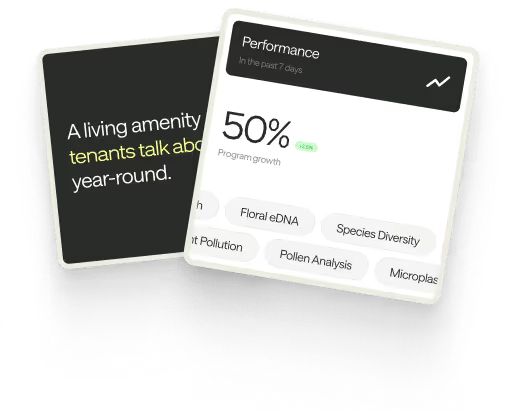


Give your Brussels buildings an engagement program tenants talk about.





















Why urban beekeeping works for Brussels buildings
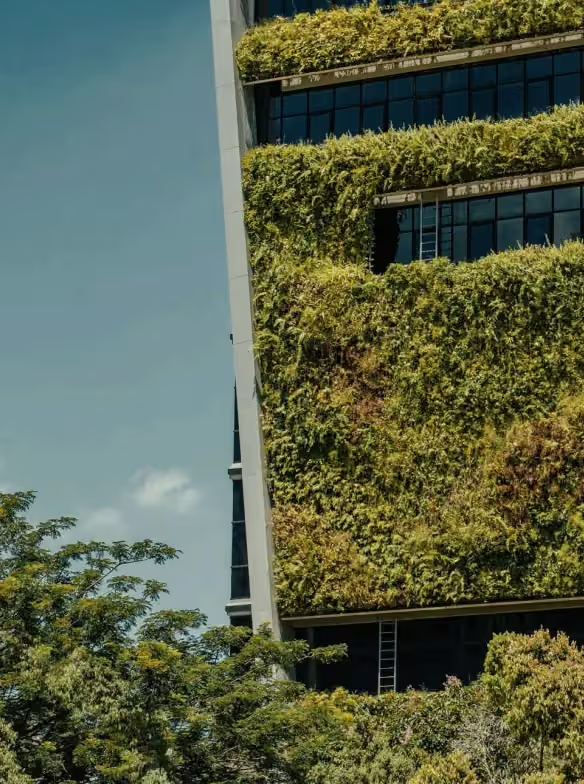
Brussels is one of the greenest capitals in Europe, with more than 8,000 hectares of parks, woods, and forests, from the Sonian Forest and Bois de la Cambre to the Parc du Cinquantenaire and the green corridors along the canal. That green cover gives rooftop hives real forage within range. Roughly half of the region's surface area is green space.
Local policy backs it up. Across the EU, all outdoor uses of the three neonicotinoid pesticides most harmful to bees have been banned since 2018. And since 2006, Brussels' Regional Urban Planning Regulation has required flat roofs over 100 m² to be greened, building pollinator-friendly habitat into the city's rooftops.
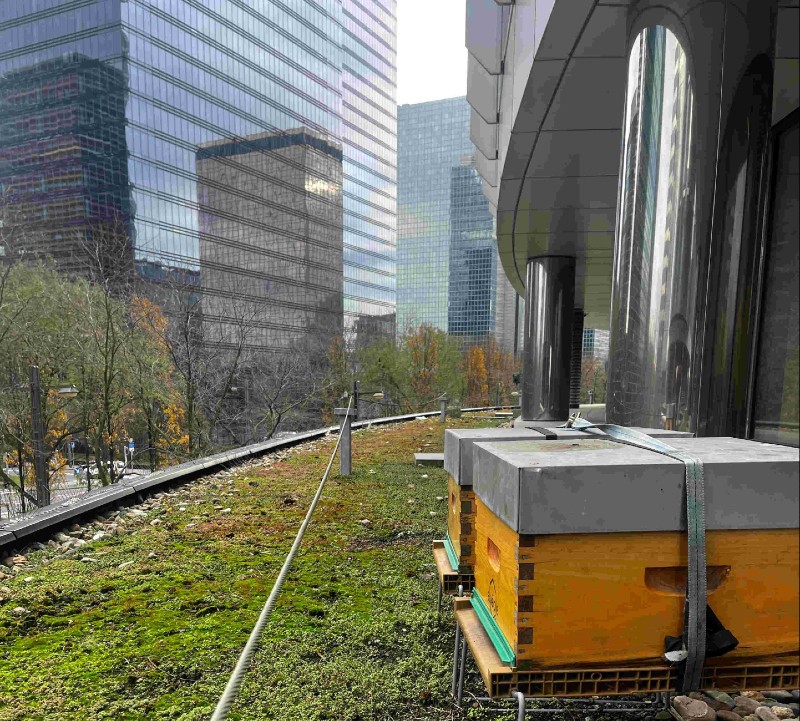
How an urban beekeeping program works in Brussels

A living amenity tenants actually use
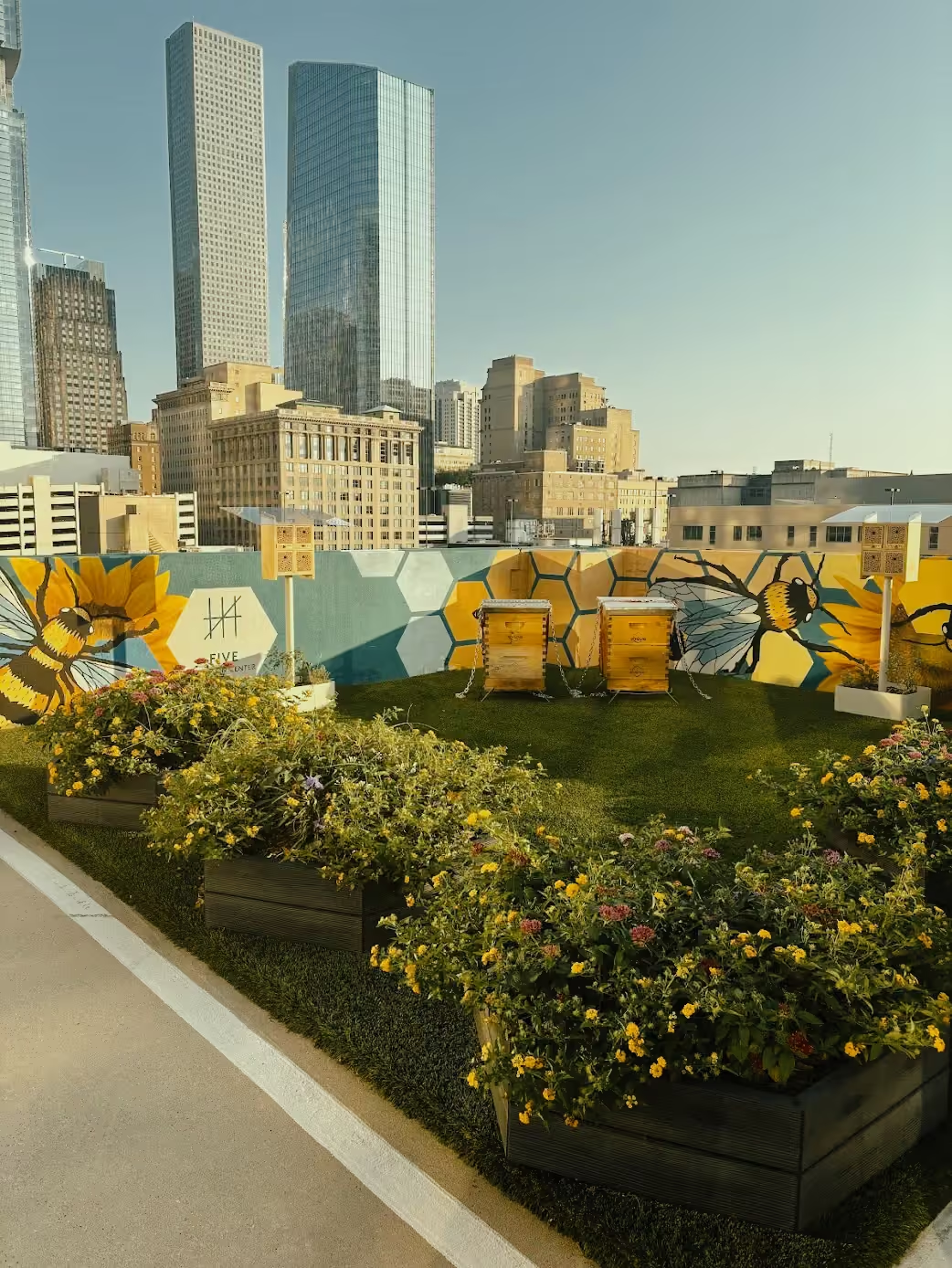
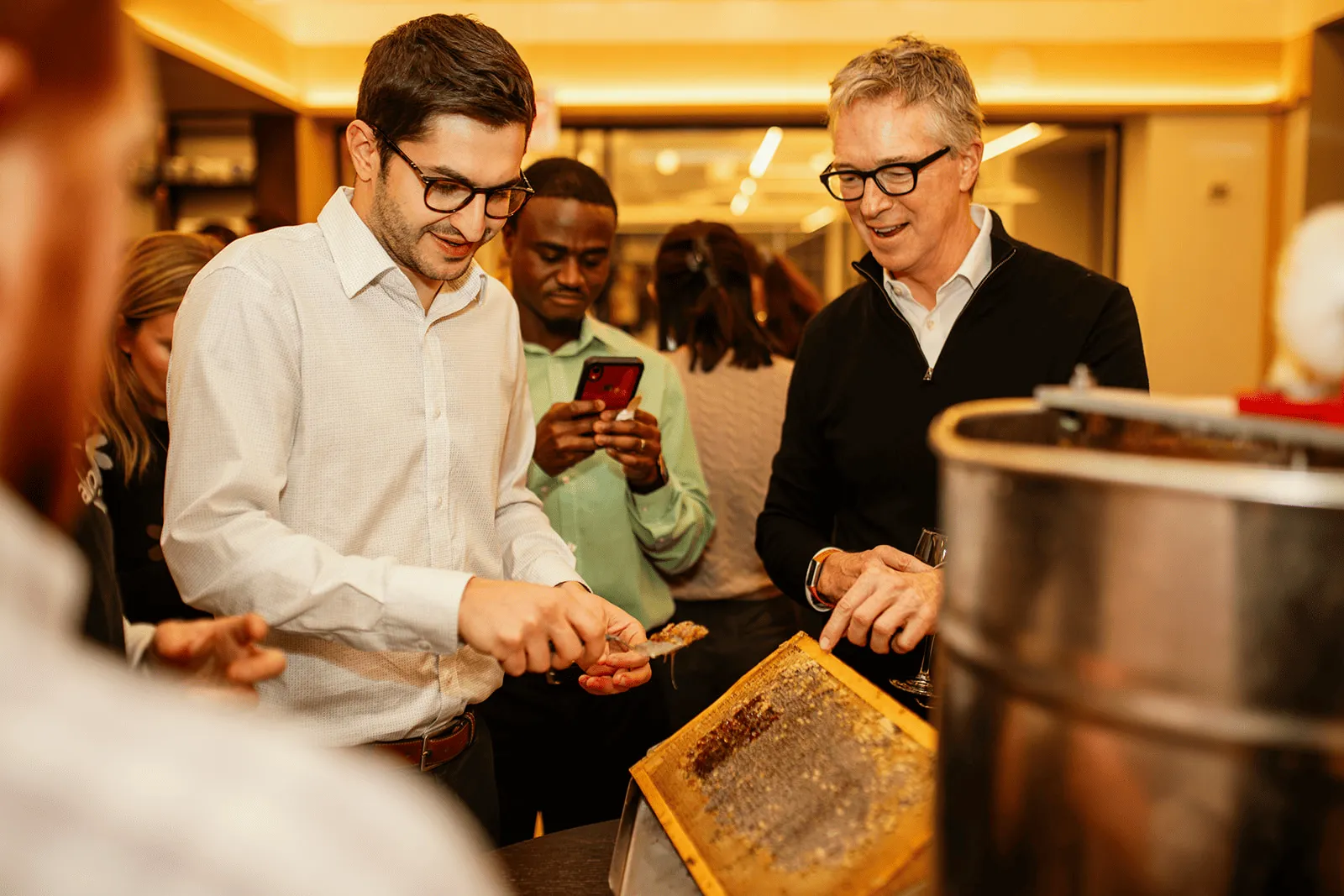

Year-round events

Participation data that compounds
Meet the neighborhood bees
From Avenue Louise to the European Quarter and out to Zaventem, bees have moved onto some of Brussels' most recognizable addresses. BNP Paribas, Generali Real Estate, and Toyota Motor Europe all run hives with Alvéole at their Brussels properties, alongside offices along Avenue Louise and the Woluwe Shopping Center. Ten Brussels sites, one program.



Turning your hives into insight

Data collection and instant reporting
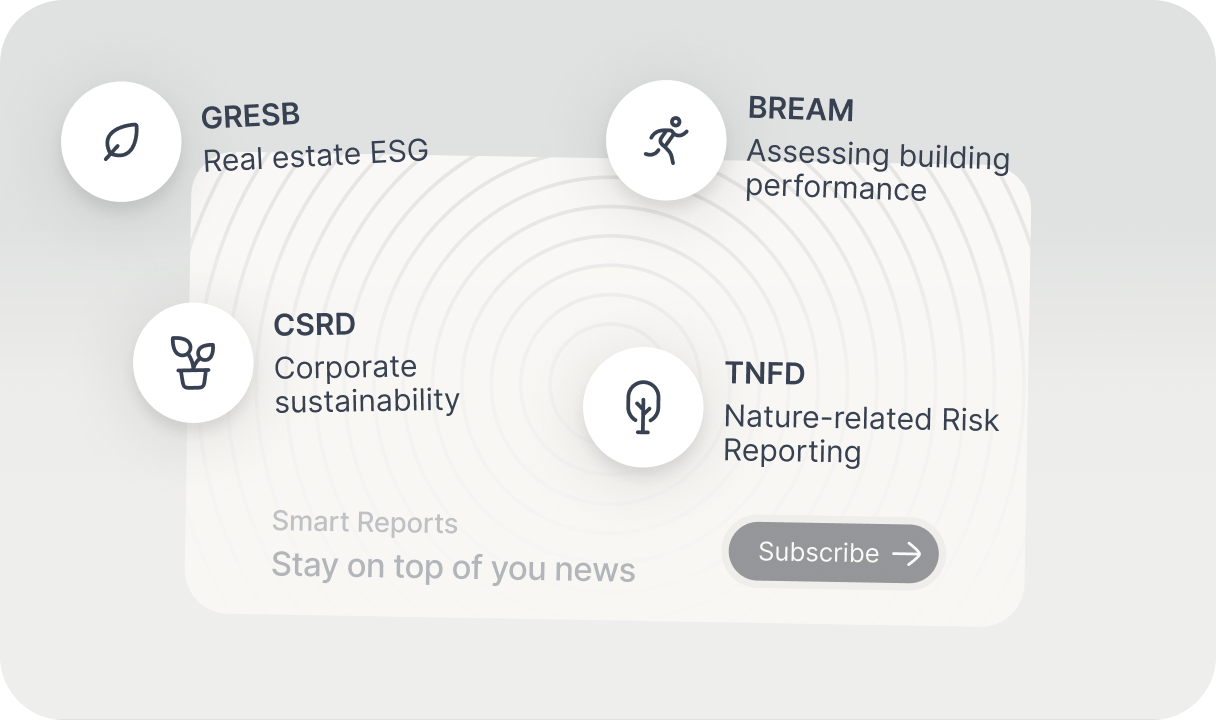
Remote sensing establishes baseline indicators across your portfolio, while onsite monitoring (bioacoustics and eDNA) captures species presence and habitat quality at each property. That data feeds directly into TNFD, CSRD, and GRESB reports, generated in minutes from pre-filled templates, with audit trails showing exactly where each number comes from.


Portfolio dashboard and AI agent
See biodiversity trends across all assets, benchmark each property against portfolio average, and export site-level data for individual disclosures. Ask the AI agent questions about TNFD requirements, GRESB scoring, or site-specific risks, and get answers that reference your actual portfolio data and current framework standards.
We service hives across Brussels and the Greater Brussels area, including the following communes and municipalities:
- Brussels-City
- Ixelles
- Uccle
- Schaerbeek
- Anderlecht
- Etterbeek
- Saint-Gilles
- Forest
- Woluwe-Saint-Lambert
- Woluwe-Saint-Pierre
- Auderghem
- Watermael-Boitsfort
- Jette
- Molenbeek-Saint-Jean
- Evere
- Zaventem
- Vilvoorde
- Waterloo
and more...
Alvéole in the media
FAQ
Beekeeping is legal and well established in Brussels, which has a large and active beekeeping community. Belgian rules ask keepers to register their apiary locations with the federal food-safety agency (AFSCA-FAVV) so bee health can be monitored, and no special licence is needed. Alvéole handles registration, siting, and compliance for every install.
It's a fair question, and one Brussels takes seriously. Honey bee density here is already among the highest in Europe, and the regional environment agency has moved to limit new hives on public land to protect wild pollinators. That's exactly why placement matters. Alvéole sites hives based on local forage rather than adding to already-saturated areas, and pairs each honey bee hive with wild bee habitat to support native pollinators too, not just honey bees.
The foraging season runs roughly April through September, with a strong early-summer flow when the city's many linden trees bloom. That window is also when most tenant-facing events land, hive tours, harvest days, and workshops, so the program's busiest stretch lines up with the season buildings actually want tenant programming.
Yes. Alvéole keeps docile honey bee colonies suited to urban rooftops. Honey bees are not aggressive away from the hive and rarely sting unless it's disturbed. Our beekeepers site hives away from high-traffic rooftop areas and manage all hive access, so tenants interact with the program through workshops and events, not the hive directly.
A rooftop program adds pollinator habitat and biodiversity data on your own property, supporting the city's wider push for a greener, more insect-friendly Brussels. Each honey bee hive is paired with wild bee habitat to support native pollinators, and Alvéole's biodiversity monitoring turns your building's nature data into reporting you can use for GRESB, BREEAM, WELL, and EU frameworks like CSRD and TNFD.
They stay in the hive. Honey bees don't hibernate or migrate. As temperatures drop, the colony clusters around the queen and lives off the honey it stored through summer, though Brussels' mild maritime winters mean bees still get the occasional flight day. Before winter, Alvéole prepares each hive and confirms the colony has enough stores to reach spring. Tenant programming keeps running through the colder months with indoor workshops, and hands-on hive visits pick back up once the colony is active again.