

The Retention Argument
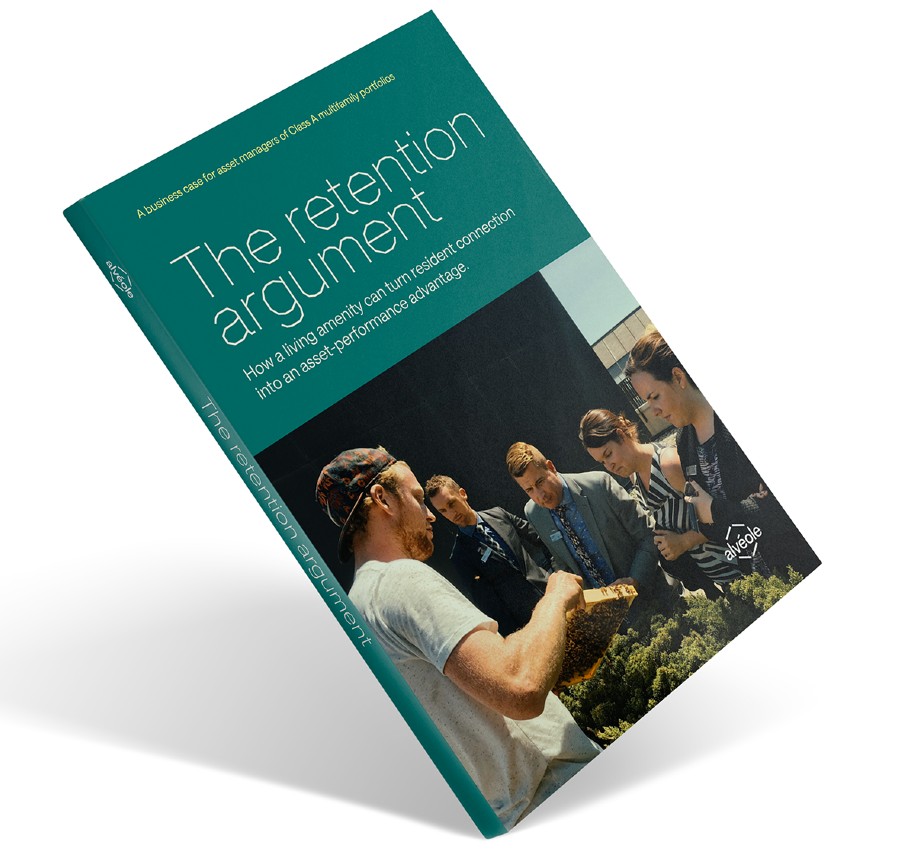
Multifamily turnover runs at roughly 40-50% of units a year, and each turn costs an estimated $4,000. The usual response, another concession, another month free, keeps getting more expensive. This guide makes the case for something different: an investment that protects revenue now and builds asset value you can point to later.
The challenge
Most Class A multifamily properties offer the same amenities: a gym, a coworking space, a lounge, a pool, a coffee bar. These help lease units, but once every building nearby has them too, they stop setting you apart.
At the same time, investors are asking harder questions. Some regulations already require companies to report on nature and biodiversity in Europe. Global reporting frameworks are moving the same direction. Investors and lenders are starting to ask for details at the property level, not just portfolio-wide policies. Biodiversity isn't a scored requirement yet, but the direction is clear.
So there's a gap opening up: what properties need to deliver today, and what investors will expect tomorrow.
What you'll discover
- Why treating amenities as just a leasing tool misses the bigger opportunity, and what changes when residents can take part in an amenity, not just use it
- How to build a retention program that keeps running even during your busiest, most understaffed months
- Why watching how residents engage can warn you about a move-out before it happens, earlier than renewal numbers can
- How one program can also give you the nature and biodiversity data investors are starting to ask for
- 5 questions to ask yourself before your next renewal cycle, to see if your retention story actually holds up
About Alvéole
Alvéole installs and manages beehive programs and biodiversity monitoring solutions for commercial real estate portfolios across 70+ cities. We work with asset managers and property teams to turn a living amenity into measurable resident engagement and asset-level nature data, managed end to end so property teams don't have to add it to their workload.


