

Give your Dallas buildings an engagement program tenants talk about.



















Why urban beekeeping works for Dallas buildings
Dallas backs it up locally too. The city's Comprehensive Environmental and Climate Action Plan (CECAP), unanimously adopted in 2020, commits to cutting emissions, protecting natural resources, and building climate resilience citywide. Dallas has also renewed the Mayors' Monarch Pledge it first signed in 2016, restoring habitat for pollinators along the monarch migration corridor that runs straight through North Texas.
How an urban beekeeping program works in Dallas
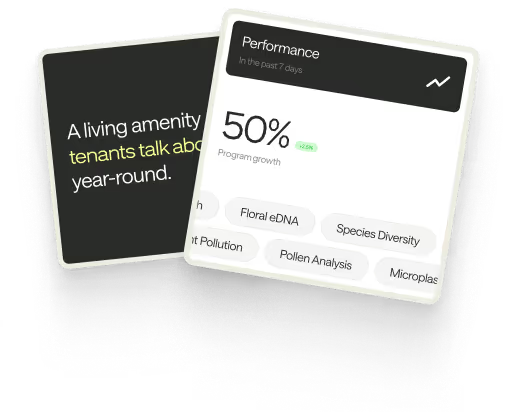
A living amenity tenants actually use
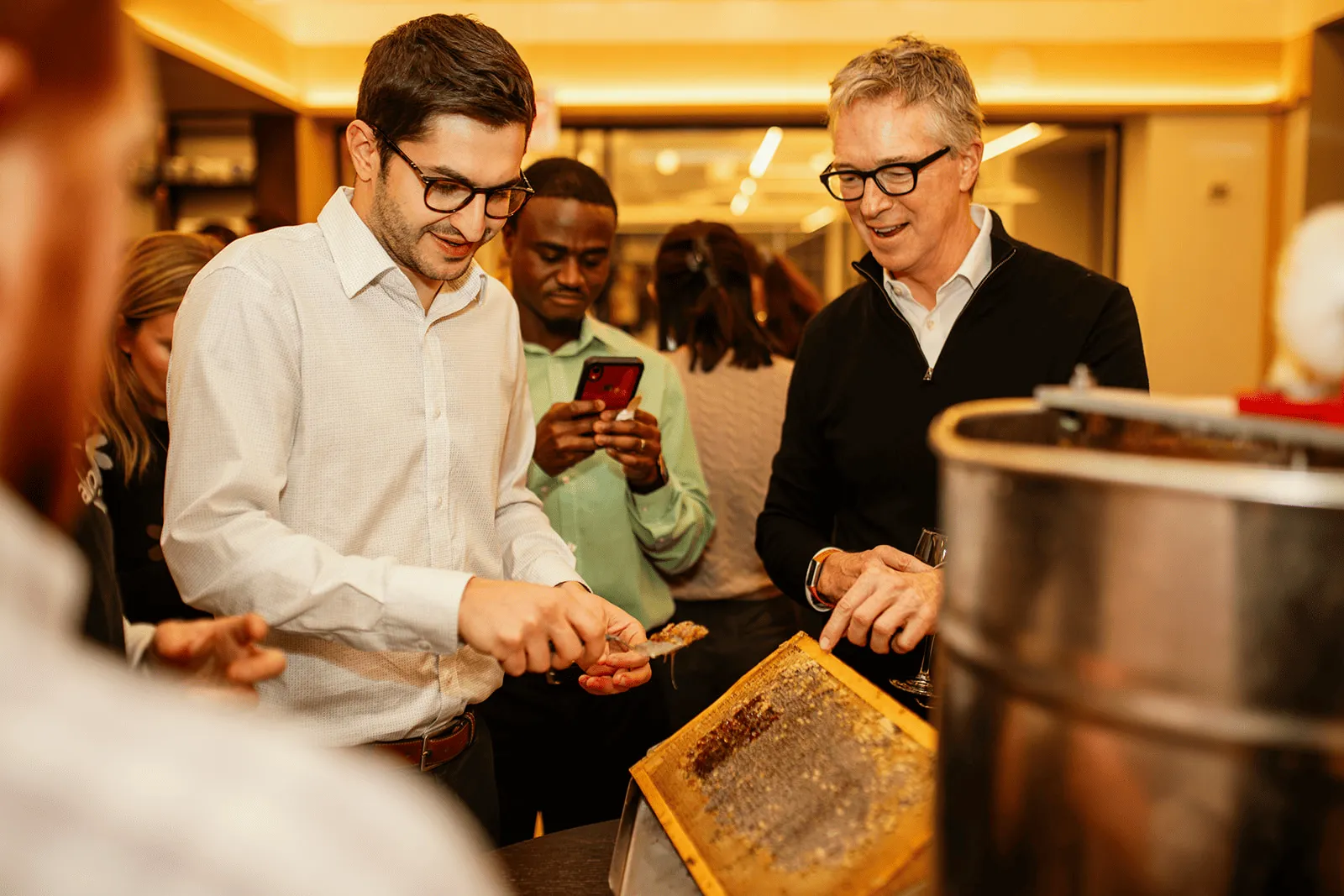

Year-round events

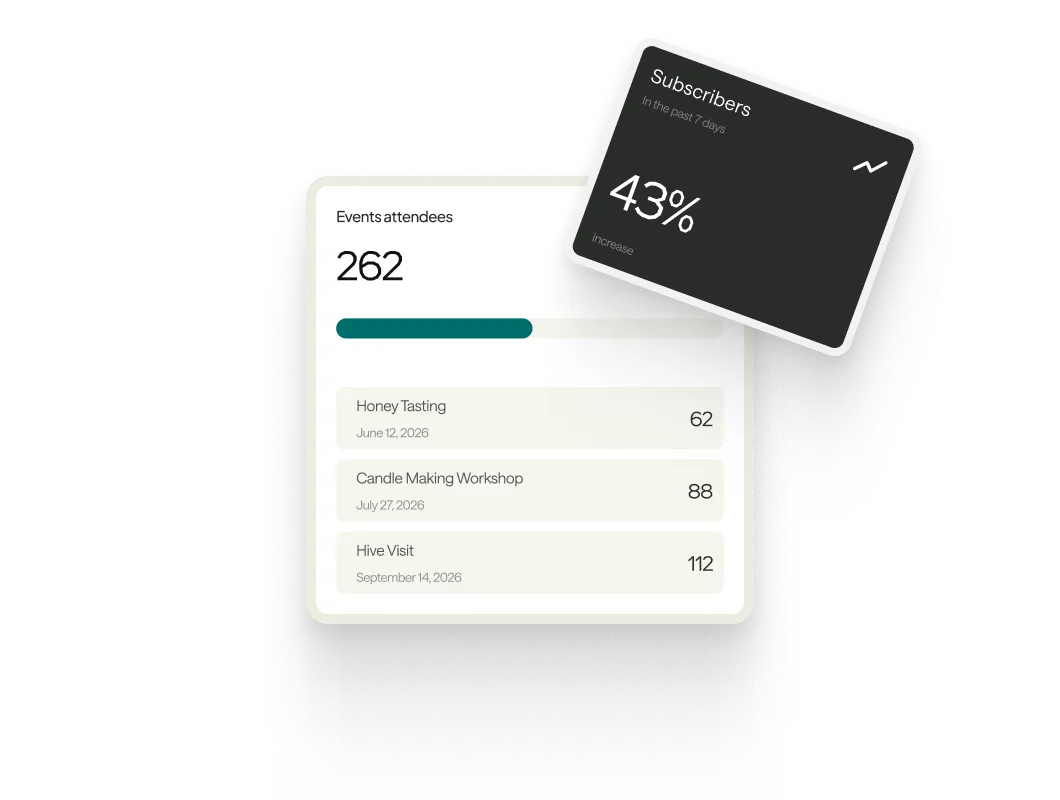
Participation data that compounds
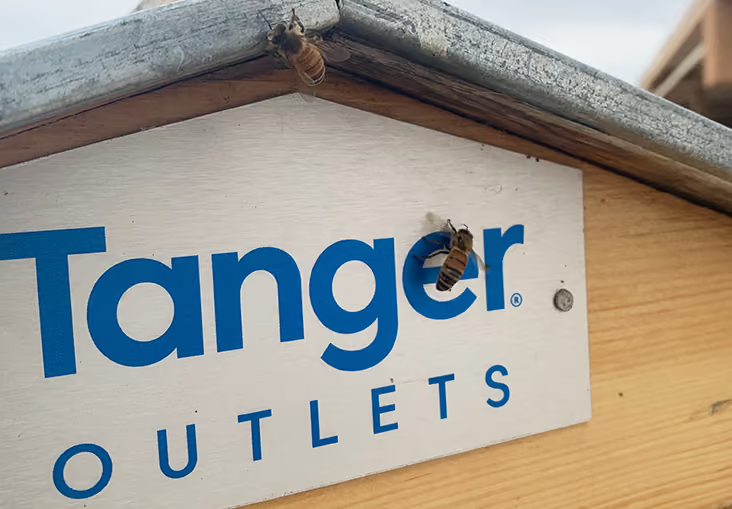
Meet the neighborhood bees
From the tallest tower on the skyline to Legacy West's Main Street, bees have moved into some of Dallas-Fort Worth's most recognizable addresses. Bank of America Plaza, JPMorgan Chase's Legacy West campus, Ericsson's North American headquarters, Frisco Station, Capital One's Dominion Parkway campus, and Piedmont's Las Colinas Connection all run rooftop hives with Alvéole. Twelve landmark sites, one program.


Turning your hives into insight

Data collection and instant reporting
Remote sensing establishes baseline indicators across your portfolio, while onsite monitoring (bioacoustics and eDNA) captures species presence and habitat quality at each property. That data feeds directly into TNFD, CSRD, and GRESB reports, generated in minutes from pre-filled templates, with audit trails showing exactly where each number comes from.


Portfolio dashboard and AI agent
See biodiversity trends across all assets, benchmark each property against portfolio average, and export site-level data for individual disclosures. Ask the AI agent questions about TNFD requirements, GRESB scoring, or site-specific risks, and get answers that reference your actual portfolio data and current framework standards.
We service hives across Dallas and the Greater Dallas-Fort Worth area, including the following municipalities in Texas:
- Fort Worth
- Plano
- Frisco
- The Colony
- Allen
- Irving
- Richardson
- Garland
- University Park
- North Richland Hills
- Denton
- Celina
- Prosper
- Lewisville
- Roanoke
- Coppell
- Carrollton
- Arlington
- DeSoto
- Duncanville
- Lancaster
and more...
Alvéole in the media
FAQ
Yes. Beekeeping in Dallas falls under Chapter 7 of the city code, which governs the keeping of animals citywide. Texas also doesn't require state beekeeper registration, so getting started is low-friction. Alvéole handles siting and compliance for every install.
Alvéole sites hives based on local forage density rather than adding to already-busy blocks, and pairs each honeybee hive with wild bee habitat (BeeHome) to support North Texas's native pollinators too, not just honeybees.
Dallas's warm climate gives one of the longer urban foraging windows in the country, roughly February through October. That long stretch is also when most tenant-facing events land, hive tours, harvest days, and workshops, so the program keeps giving tenants something to gather around for much of the year.
Yes. Alvéole keeps Italian honey bees, a breed known for its docility, and honey bees are not aggressive away from the hive, rarely stinging unless it's disturbed. Alvéole's beekeepers site hives away from high-traffic rooftop areas and manage all hive access, so tenants interact with the program through workshops and events, not the hive directly.
Yes. Alvéole's program contributes to BOMA 360, BOMA BEST, BREEAM, Fitwel, GRESB, LEED, and WELL, through pollinator habitat, tenant engagement documentation, and biodiversity monitoring.
Not much, and not for long. Dallas winters are short and mild, so the colony clusters loosely around the queen only during the occasional cold snap, and bees still get flight days through most of the season. Alvéole checks each hive's stores ahead of the coldest stretch to confirm the colony has enough to get through, and hive visits continue for most of the winter, picking back up in full once the spring nectar flow begins.