

How sustainable urban beekeeping contributes to sustainable green buildings

Populations of bees, including honeybee colonies, native bees, butterflies, and other wild pollinators are declining around the world. This accelerating disappearance is mainly due to industrial agriculture (monocultures, massive pesticide use, and habitat loss) and climate change. Sustainable urban beekeeping emerges as a crucial solution, offering a way to enhance pollinator habitats in urban areas and mitigate these concerning trends. Keeping bees within city limits is no longer just a novelty—it’s a movement that's becoming increasingly popular in major cities.
In fact, bees are responsible for the pollination of more than 130 varieties of fruits and vegetables that humans rely on. Almonds, cranberries, apples, blueberries, broccoli, cauliflower, celery, asparagus, and avocados are just a few crops that entirely depend on pollinators. Honey bee activity directly supports gardens, flowers, and plants in both urban green spaces and residential areas.

A third of the food we eat
Beekeeping plays a vital role in agriculture and food security. As pollinator populations shrink, city dwellers and commercial beekeepers alike are stepping in to raise bees and protect these essential insects. Sustainable urban beekeeping provides safe habitats for colonies and fosters awareness within the general public.

Did you know the UN established World Bee Day (May 20) to raise awareness of pollinators and the threats they face—including colony collapse disorder? In recent years, more people have come to understand the importance of urban beekeeping and its role in sustainable food systems.
Launching an urban beekeeping initiative is a powerful way to engage communities. From hobby beekeeping in backyards to rooftop urban beehives atop office towers, individuals and organizations are getting involved. New beekeepers often begin with learning about bee health, behavior, and their flight path to surrounding flowers and nectar sources.
Bees in urban setting
In a typical urban setting, honeybee hives can thrive. Bees will forage for pollen and nectar within a radius of up to 3 km around their hive, often crossing property lines and weaving between rooftops and gardens. Installing beehives in your building or community adds to local biodiversity, supporting not only honeybees but also wild pollinators like native bees.
Urban beekeepers need to be mindful of each hive entrance, ensuring it doesn’t face directly toward busy areas or neighbors. The summer months are especially active, with swarm behavior possible if the queen doesn’t have enough space.
The urban environment, often seen as disconnected from nature, can in fact support strong, healthy colonies. With access to a diverse mix of plants and fewer pesticides than in many rural areas, urban honeybee colonies are often more resilient. Access to diverse forage helps boost bee health, building stronger immunity and improving honey quality.

Supporting the Sustainable Development Goals
The United Nations 2030's agenda for Sustainable Development outlines 17 global goals to protect the planet, including Goal 15: Life on Land, which calls for halting biodiversity loss. Companies and property managers looking to improve their ESG performance are embracing urban beekeeping as part of their strategy.
From pollinating rooftop gardens to engaging staff in hobby beekeeping programs, urban beehives offer a low-cost, high-impact solution. For the commercial real estate sector, transforming unused rooftop space into green sanctuaries is a meaningful way to showcase commitment to sustainability.
Many buildings are now blending urban agriculture, green roofs, and beehives into broader environmental programs. These efforts not only support pollination but also foster a sense of community among tenants and teams.
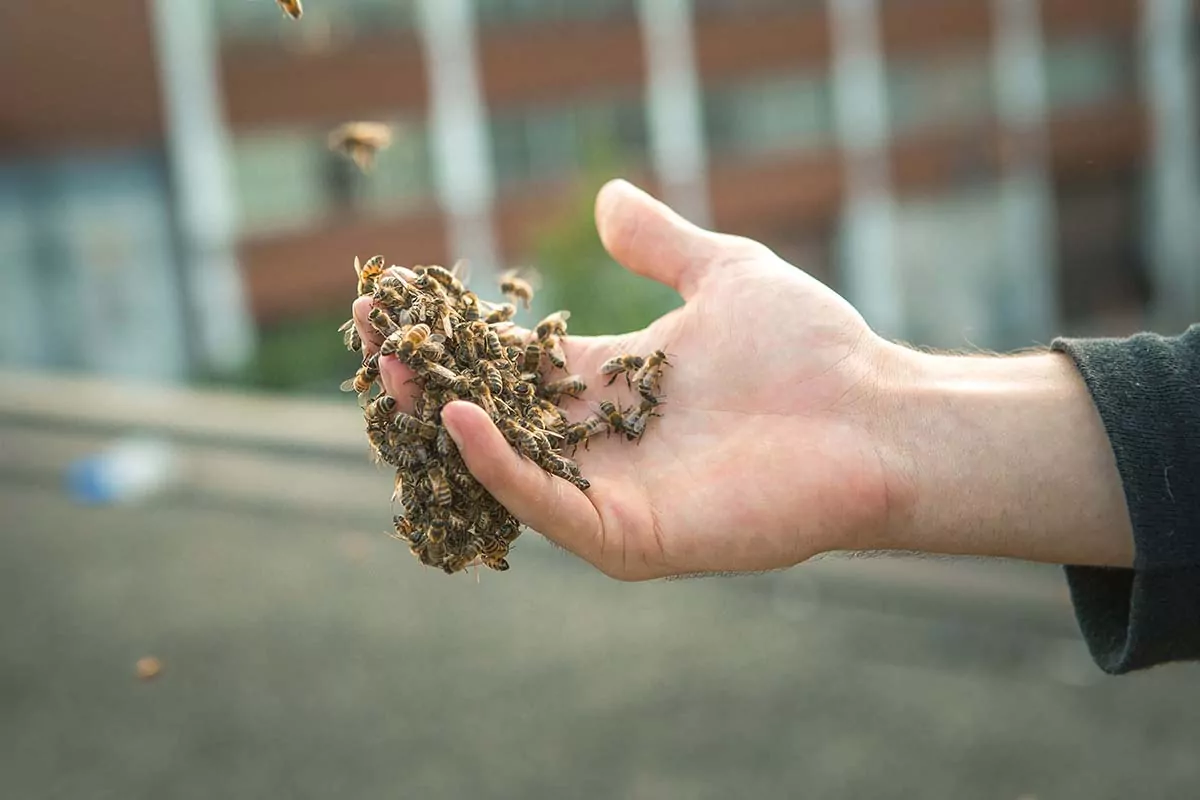
Ambassadors for the environment
By spotlighting the incredible world of the honey bee, we hope people become more invested in the health of all pollinators. The end-of-season honey produced by urban bees often becomes a sweet, symbolic gift shared with clients, partners, and employees—spreading awareness and appreciation for this vital cause.
There’s a reason we do this. By keeping bees in urban spaces, we’re changing how people see the city. We’re reconnecting communities to the often invisible threads of nature that run through their everyday lives. As the number of urban beekeepers grows, so too does our collective impact.
There’s a reason we’re doing this: by adopting honeybees, we are helping change people’s perspective of the urban environment and reconnecting our community with the subtle wonders of nature.
Mid-America (Chicago)
.png)
.jpg)